
Table of Contents (11)
Epic Seven’s Tier List Needs Separate Lanes
A single “best heroes” list is the fastest way to waste resources in Epic Seven. Adventure rewards fast wave clears, Arena rewards disruption, Abyss demands survival through punishing mechanics, and Boss Hunt teams live or die on sustained damage. The July 17 update for version 1.0.967 makes that split more important than ever.
This ranking is about investment priority by job, not a fake universal pecking order. A hero who vaporizes an Adventure chapter can be a poor Arena draft, while a control specialist can look useless when a Hunt boss needs damage on a timer. Build for the content in front of you.
1. Arbiter Vildred
Arbiter Vildred remains the cleanest answer to early Adventure progression. His AoE wave clearing cuts through entire chapters at a pace single-target units cannot match, which makes him the first major priority for players pushing story content rather than staring at a stalled map.
That speed matters because Adventure is a volume game: many fights, many waves, and no prize for taking a cautious route. Put him beside support that keeps the team moving and let him handle the trash waves. For pure chapter farming, he is still the benchmark.
2. Iseria
Iseria earns her high PvE placement by doing more than one job. Her Dual Attack mechanic gives the team extra offensive momentum, while her AoE damage keeps her useful when the stage sends several enemies at once. She has grown far beyond a simple starter-select recommendation.
She is especially valuable in the awkward early-to-mid-game stretch where players need one hero who can contribute to story progress and selected boss encounters. Pair Iseria with a dependable damage dealer and a defensive anchor; that three-part foundation is sturdier than chasing a narrow gimmick unit too early.
3. Seaside Bellona
Seaside Bellona is the AoE damage pick for players facing crowded battles. Her output scales with the number of enemies, so five-enemy waves are precisely where she starts separating herself from damage dealers built to delete one target at a time.
That makes her a brutal fit for Guild Wars and other multi-wave content. The practical rule is simple: when the enemy brings a crowd, bring Seaside Bellona. Saving a powerful single-target attacker for a packed field is a bad trade.
4. Adventure Wave Clear
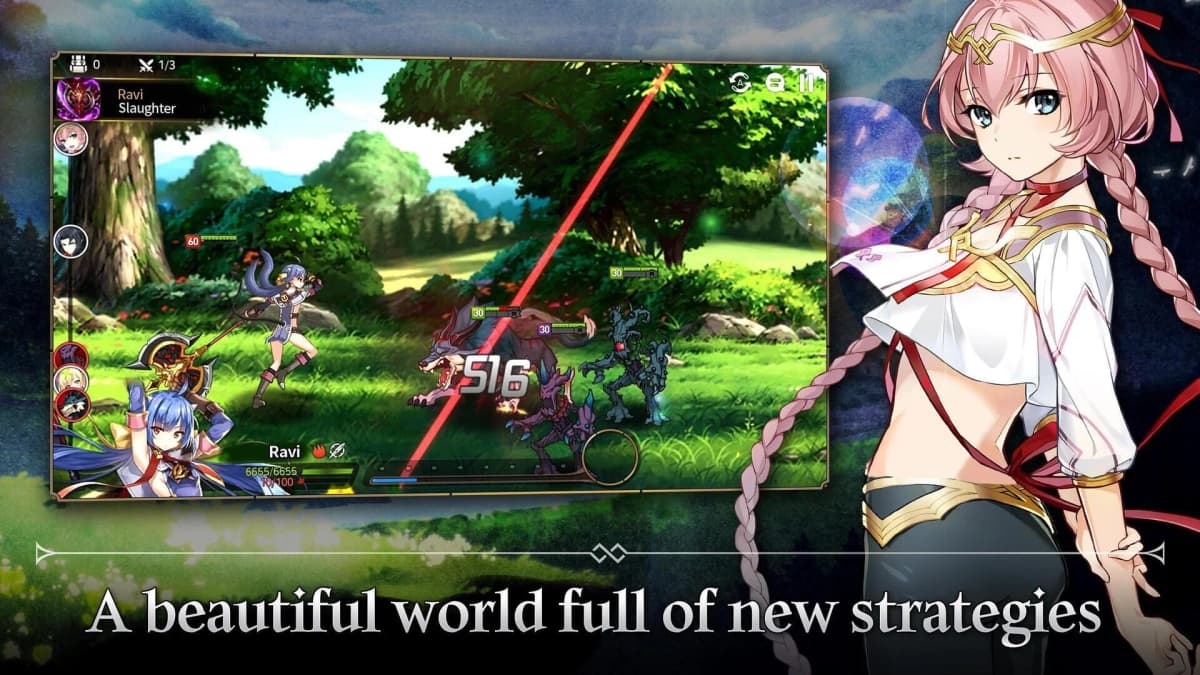
For Adventure, AoE is the tier-list tiebreaker. Speedy clears translate directly into smoother chapter progress, and the best teams avoid spending several turns cleaning up enemies who should have disappeared in one sequence.
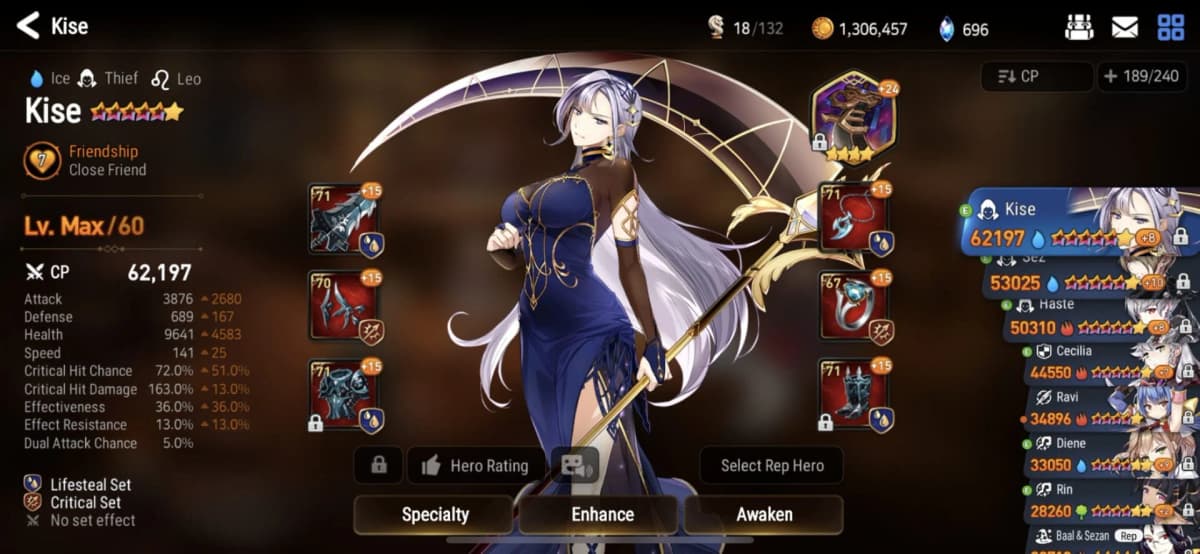
The basic template is an AoE carry, a second attacker who can capitalize on the opening, and enough protection to stop a bad turn from wrecking the run. Arbiter Vildred is the headline pick, while Iseria supplies flexible damage and extra team pressure. Build this squad first if campaign progress is the immediate goal.
5. Arena Crowd Control
Arena is where PvE instincts get punished. Raw speed and wave damage do not automatically win a draft when the opposing team can disrupt turns, lock down key actions, and pile on debuffs before your plan starts.
Prioritize crowd control and debuffs here, then choose damage that can exploit the opening they create. A sensible Arena shell starts with disruption, adds a follow-up damage threat, and finishes with protection or recovery. The point is to control the match’s rhythm rather than hoping one attacker can bulldoze every defense.
6. Arena Debuff Pressure
Debuffs deserve their own slot because they force the opponent to react. In Arena, that pressure can matter more than an extra chunk of damage: a disrupted enemy team loses options, and lost options win drafts.
Do not cram every debuff tool into one lineup and call it strategy. Use a controller to establish pressure, a damage dealer to convert that pressure into a knockout, and a durable teammate to keep the plan intact. Arena rewards a coordinated threat package, not four heroes doing unrelated things.
7. Abyss Survival Core
Abyss is where fragile tier-list logic falls apart. The mode calls for teams that can stay alive, absorb pressure, and keep their key pieces functioning through difficult encounters. A fast clear means nothing if the party collapses before the fight’s important phase.
Start with tanking and sustain, then add damage with a defined purpose. Iseria’s flexible PvE kit gives her a place in this conversation, but Abyss squads should be assembled around survival first. The correct Abyss team often looks less flashy than an Adventure squad because reliability is the damage multiplier that matters.
8. Abyss Damage Windows
Once the defensive core is stable, Abyss becomes a question of timing. The goal is not to throw every attack into the first available turn; it is to preserve enough team function to exploit the moments when damage can safely stick.
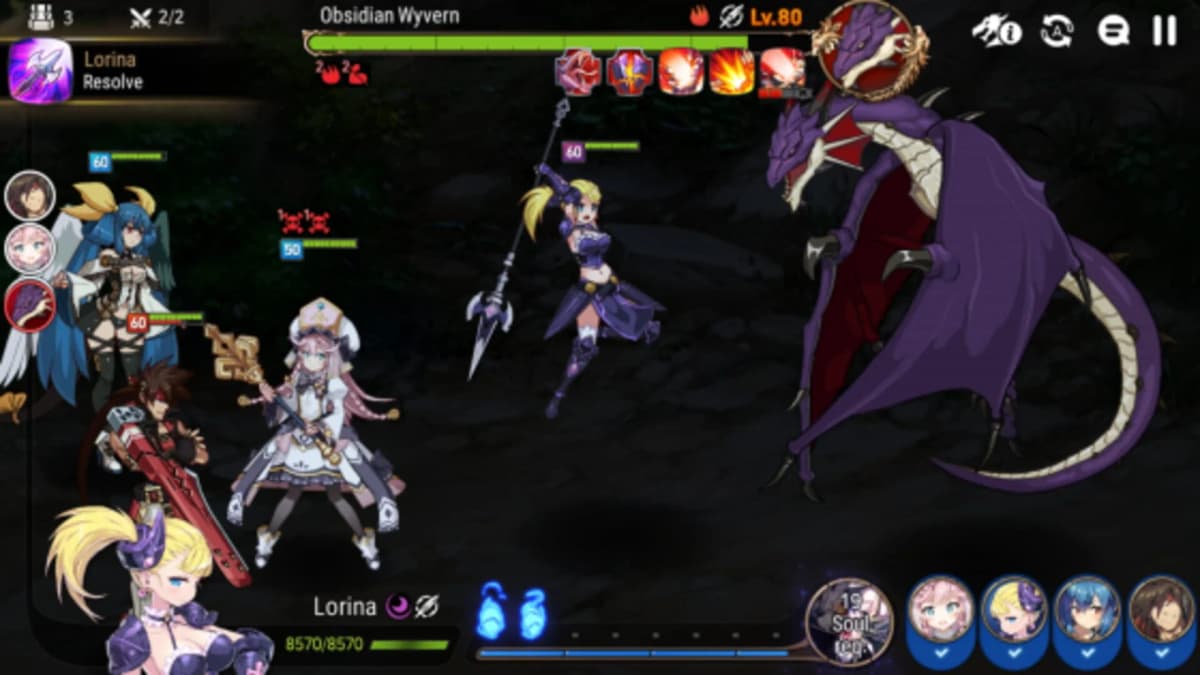
That makes Dual Attack value particularly attractive in the mode. Iseria helps generate more offensive activity without abandoning her broader PvE utility. The strongest Abyss progression teams marry a tanky core to deliberate bursts, instead of treating every floor like a race.
9. Boss Hunt Sustain and Damage
Boss Hunt asks a harsher question than Adventure: can the team keep producing damage while staying upright? This is the mode where specialized damage and sustain stop being optional comforts and become the whole build.
Use a stable template: a damage-focused hero for the boss, defensive support to keep the run from collapsing, and teammates selected for consistent contribution rather than flashy wave clearing. Iseria’s usefulness in specific boss encounters makes her a valuable flexible piece, but she should serve the plan rather than define it. Hunt teams are built for repeatable clears.
10. Competitive Draft Discipline
Epic Seven’s competitive ceiling has real stakes. Epic Seven Masters brought together the top 100 players from the World Arena Spring 2026 season, ran from April 11 through May 30, and offered a $34,000 prize pool plus direct seeds into the Epic Seven World Championship.
The event’s group stage ran every Saturday at 03:00 UTC, with knockout play on May 16-17 and May 23 before the May 30 finals. Its lesson for regular Arena players is blunt: drafts need a job. Control, debuffs, damage, and protection must work as a unit. Throwing high-ranked heroes together without a plan is how supposedly strong rosters lose.
FinalBoss // Gear
Level up your setup
01Mobile gaming controllerson Amazon→02Top-rated gaming headsetson Amazon→038BitDo controllerson Amazon→Affiliate links · As an Amazon Associate, FinalBoss earns from qualifying purchases.
Want to Level Up Your Gaming?
Get access to exclusive strategies, hidden tips, and pro-level insights that we don't share publicly.
Ultimate Top Strategy Guide + Weekly Pro Tips