
Game intel
Fortnite
OG takes it back to Chapter 1 Season 7! The Ice King has frozen the map, zoom around the frigid terrain on new ziplines, and take to the skies on the X-4 Storm…
As someone who’s watched Fortnite’s Creative 2.0 (UEFN) reshape the game from a battle royale into a full-on platform, this lawsuit is a big moment. Epic says two creators, Idris Nahdi and Ayob Nasser, used more than 20,000 bot accounts to inflate engagement on their islands, pulling in “tens of thousands” in payouts before Epic froze the money, banned the accounts, and filed suit. If true, it’s not just a rules violation-it’s a direct attack on the trust that keeps Creative’s economy working.
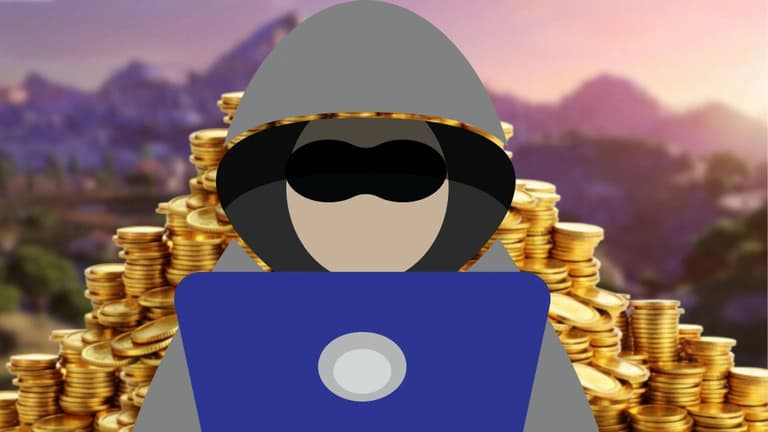
According to Epic’s filing, “The defendants programmed bot accounts to interact with their own Fortnite islands.” The company says the scale was industrial: 20,000+ fake accounts, with the vast majority of so-called “engagement” coming from automation. Epic framed the move not just as fraud but as a threat to the entire ecosystem, saying it wants to “protect the integrity of its creator program” and reminding the community that cheating “in any form has no place in the Fortnite ecosystem.”
The aggressive legal language-seeking to bar the defendants and their “heirs and successors” from creating new accounts or even playing Fortnite—reads wild if you’re not used to legal docs. It’s mostly belt-and-suspenders boilerplate, but the message is loud: Epic wants this to be a deterrent case, not a slap on the wrist.
Since Epic launched Creator Economy 2.0 in 2023—promising to share roughly 40% of net revenue based on “player engagement”—the incentives have been obvious. If attention equals money, someone will try to fake attention. We’ve already seen softer exploits in Creative: AFK grinders masquerading as “idle XP” experiences, retention-bait loops engineered to goose session time, and discovery hijinks that push formulaic modes up the charts. Botting is just the most blatant form of the same pressure.
Epic is right to crack down. If you’re a legit creator building polished UEFN islands—gun game variants with clever twists, prop hunts with progression, or full-on narrative experiences—seeing botted maps siphon the discovery tab and payouts is infuriating. But there’s a second truth here: the more opaque the metric, the easier it is to game and the harder it is for honest creators to know where the line is.
This case will set expectations for how Epic polices Creative—both in detection and due process. On detection, you can assume Epic’s telemetry flags patterns like thousands of identical session starts, zero-input sessions, abnormal churn curves, and clustered IP/UA fingerprints. That’s table stakes for any engagement platform. The interesting part is what comes next.
Three things I want to see from Epic:
For players, the upside is obvious: fewer low-effort trap islands making the front page, more spotlight on genuinely fun modes. If you’ve bounced between Creative playlists lately, you’ve probably felt the whiplash—one brilliant, bespoke arena followed by three copy-paste grinders. Stronger anti-fraud should help the good stuff surface.
Epic’s not new to legal enforcement. The company has taken cheat makers to court and even penalized tournament fraud. Fortnite is a live service with enormous real-money stakes; if you let manipulation slide, the ecosystem rots. This case is louder because it hits Creative—the part of Fortnite that’s supposed to empower players as developers. That’s exactly why it matters.
This caught my eye because we’re watching platform economics collide with game design in real time. Epic needs to win this case to protect trust in the payout system. But it also needs to harden the system so these schemes aren’t worth trying. Rate limits on new accounts, CAPTCHAs on key engagement events, weighting for verified players, and tougher penalties for session spam would all help. So would more editorial curation so that Creative’s “front page” isn’t a pure algorithmic race.
If Epic pairs real enforcement with better signals for quality, the legit UEFN scene—teams building full campaigns, inventive party modes, and polished social spaces—benefits most. That’s the Fortnite I want to keep logging into: a place where creativity beats clickbait, and where the best maps rise because players actually love them, not because 20,000 silent accounts said they did.
Epic says two Fortnite creators used 20,000+ bots to fake engagement and skim payouts; the company banned them and is taking it to court. Good—now Epic needs to back the crackdown with clearer metrics and smarter discovery so Creative rewards great islands, not exploit math.
Get access to exclusive strategies, hidden tips, and pro-level insights that we don't share publicly.
Ultimate Gaming Strategy Guide + Weekly Pro Tips