
Escape Simulator 2 Nails Its Steam Launch and Bets Big on Builders
Game intel
Escape Simulator 2
Sequel to the best-selling escape room game, brings a fresh take on first-person puzzles with a variety of new rooms to explore solo or with friends. Solve int…
Escape Simulator 2’s Launch Is Big-but the Bigger Story Is the Community Push
Escape Simulator 2 just pulled off the kind of launch most indies dream about: over 150,000 copies sold on Steam in five days and a 94% “Very Positive” rating. That caught my attention not just because it’s a strong start, but because Pine Studio is immediately doubling down on what made the first game stick-player creativity. They’re celebrating with an open Build-a-Room competition, dangling $5,000 and other prizes to kickstart the next wave of community-made escapes. That’s the real play here.
Key Takeaways
- Fast start: 150k copies in five days and a 94% rating signal strong word of mouth.
- Room Editor 2.0 and a $5,000 builder contest show Pine Studio is betting on user-generated content to drive longevity.
- Twelve new rooms across themed packs add variety, but the community pipeline is what will keep this alive long-term.
- Up to eight-player co-op is ambitious-great for chaos and laughs, but it’ll test netcode and physics.
Breaking Down the Announcement
The headline numbers are clean: Escape Simulator 2 launched with twelve new escape rooms, refreshed physics and visuals, and co-op that scales up to eight players. Pine Studio is already pushing hotfix patches and promising more themed content packs later this year. To thank players (and let’s be honest, to prime the Workshop pump), they’ve opened the first Build-a-Room competition with a $5,000 top prize. There’s no theme, which is smart—giving builders freedom usually leads to those wild, shareable creations that spike interest. Submissions are open until November 10 at 9 AM CET. The game’s available on Steam for $19.99 / €16.99 / £14.99, with a 10% launch discount running until November 10.
The Real Story: User-Made Rooms Will Make or Break It
The first Escape Simulator didn’t just survive because of its official rooms—it thrived because the community kept building. Pine Studio clearly knows that; Room Editor 2.0 is the sequel’s secret weapon. The upgraded toolkit adds a new lighting engine, a building constructor, and an animation editor. Translation: creators can craft more dynamic spaces and puzzles instead of just swapping assets around. The no-theme contest is also a tone-setter. Expect everything from classic “find the key and decode the cipher” rooms to bonkers physics contraptions and lore-driven story escapes, because the tools now support that range.
I’ve seen this playbook work before. Portal 2’s Workshop extended its life for years. Dreams was essentially a creative playground. Even Roblox’s success is a case study in giving players powerful tools and getting out of the way. Escape Simulator sits in a narrower niche—puzzly co-op rooms instead of full-blown platforms—but the principle holds: if building feels good and discovery is easy, the game’s lifespan explodes.
What You Get on Day One
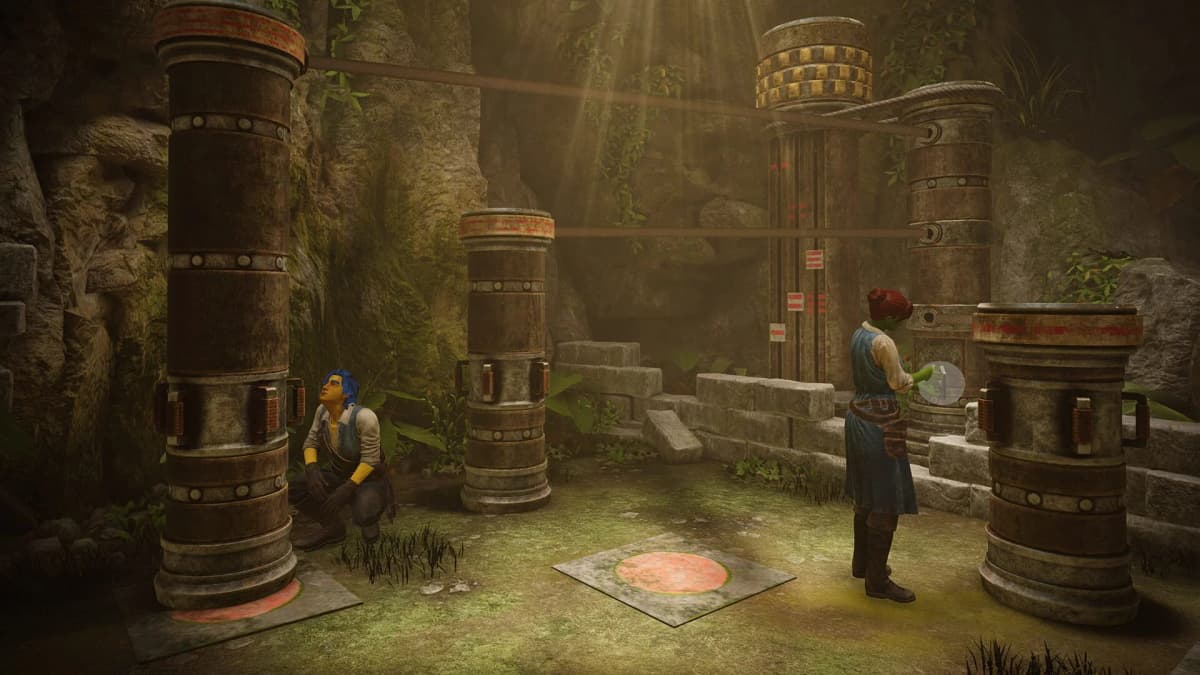
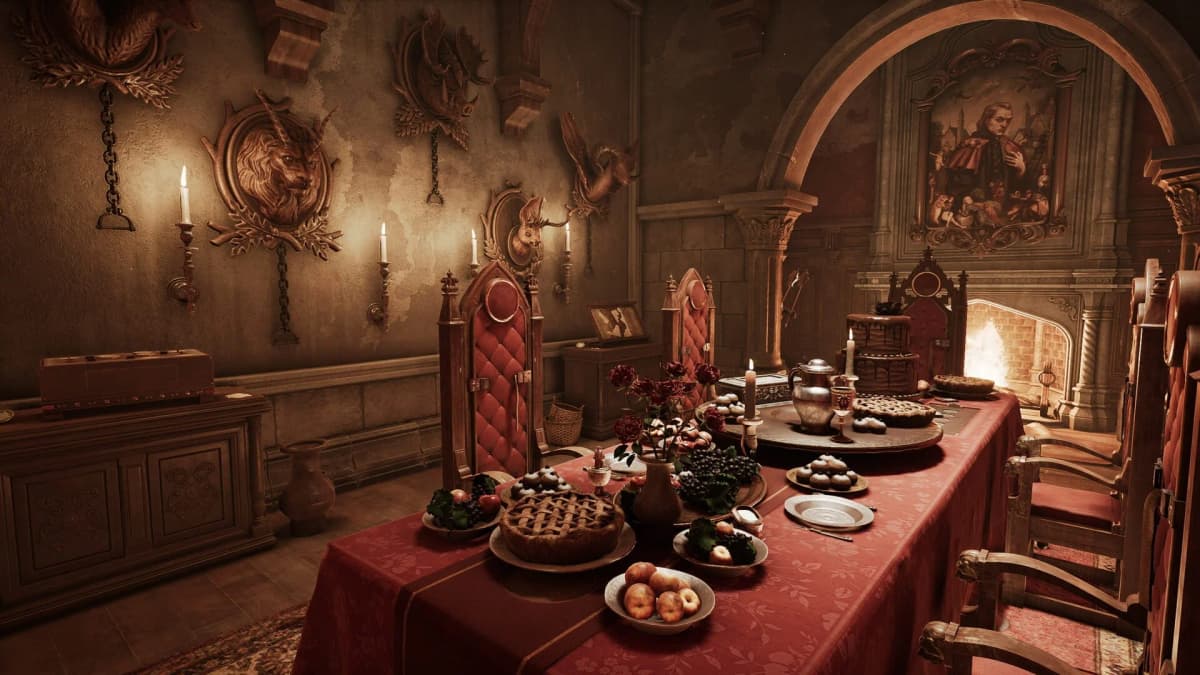
The sequel ships with a dozen rooms spread across themed packs like Dracula’s Castle, Starship EOS, and The Cursed Treasure. That mix is exactly what you want from a puzzle escape game—recognizable themes that set expectations, then twists that subvert them. The revamped physics matter more than they sound: Escape Simulator’s puzzles often rely on stacking, tossing, and fiddling with small objects. If the physics feel tighter and more predictable, co-op frustration should drop significantly. And with up to eight players in a lobby, expect sessions to be a delightful mess of “Who took the key?” and “Stop spinning the globe, we’re trying to read the numbers.”
Solo is still supported, but this series shines in co-op. It scratches that same itch as the We Were Here series—communicating, dividing tasks, and having lightbulb moments together—without the heavy narrative locks. If you’ve got a regular group, this is easy recommendation territory.
Value Check: Price vs. Content
At $19.99 (with a 10% launch discount until November 10), the base package is reasonable for twelve handcrafted rooms, especially if you plan to replay with different friends. Realistically, your mileage will depend on the average room length and your puzzle chops. If you burn through the official content quickly, Room Editor 2.0 and community creations are meant to keep you around. That’s the bet Pine Studio is making—and with the contest cash and early momentum, it’s a solid one.
Healthy Skepticism: The Potential Pain Points
Physics-driven co-op games live or die on stability. Pine Studio has already pushed hotfixes, which is encouraging, but eight-player sessions can amplify little glitches into full-on chaos. The studio’s fast patch cadence will matter in the next few weeks as the wider player base stress-tests every corner. Discovery and curation are also key—if the editor takes off, players need smart ways to find quality rooms. The press details don’t outline curation tools or playlists, and that’s where a lot of UGC-driven games stumble.
The contest window is short—submissions close November 10—which could favor veteran builders who already know the toolset. That’s fine for a first wave, but I’d love to see themed jams or beginner-friendly prompts to grow the creator base beyond the usual suspects.
Why This Matters Now
Pine Studio has a track record with puzzlers—from Cats in Time to the Faraway series—and Escape Simulator became their flagship because it let players be part of the design conversation. Escape Simulator 2’s launch proves there’s still big appetite for clever co-op brainteasers, but the real test starts now: ongoing updates, fresh official packs, and a healthy flow of standout community rooms. If Pine keeps supporting builders and smoothing the edges, this could be your group’s go-to Friday-night puzzle game for months.
TL;DR
Escape Simulator 2 launched hot—strong sales, glowing reviews, and a smart push for community-made rooms with a $5,000 contest. The official content looks solid, but the long-term fun will come from Room Editor 2.0 and how well Pine Studio supports creators and co-op stability. If you love collaborative puzzle solving, this one’s already worth paying attention to.