
Table of Contents (7)
Why This Caught My Eye
Europa Universalis finally has POPs. That’s the headline for me. After a decade of EU4’s province-level abstractions, EU5 brings detailed populations tied to culture and religion, adds food as a strategic pressure, and promises a ground-up rethink of trade and warfare. If you’ve sunk hundreds of hours into Paradox maps like I have, this isn’t just a sequel-it’s a philosophical shift that nudges EU closer to Victoria’s societal simulation while trying to keep EU’s faster tempo intact.
Key Takeaways
- Population and food systems could redefine stability, wars, and expansion-if the UI and AI can keep up.
- Estates and “societal values” hint at deeper internal politics than EU4’s sliders and static privileges.
- Warfare rework moves from levies and mercs to standing armies and fortresses-logistics and commanders matter more.
- $59.99 standard, $84.99 premium with future packs: strong value if the launch package is robust, but the DLC runway looms large.
Breaking Down What’s New
Paradox says populations are now represented on the map “in detail,” meaning a single province can host multiple cultures and faiths. That’s a big deal. In EU4, religious conversions, cultural assimilation, and rebel mechanics were often one-button affairs. With POPs, your tolerance policy and estate management should have tangible, localized outcomes—think border regions with mixed communities becoming political minefields or conversion campaigns turning into long-haul projects with social blowback.
Food supply is the other pillar. Feeding your people isn’t just flavor text; it’s positioned as a core determinant of state strength. Trade what you grow or import what you can’t. On paper, this injects real logistics into peacetime and war. Armies that march during a grain shortfall should feel the pinch, and blockades might finally hit like a hammer instead of a polite inconvenience. The risk, of course, is busywork: food can be brilliant grand strategy pressure—or a spreadsheet chore if the interface doesn’t surface the right levers.
Estates return with sharper teeth. The series has flirted with internal factions for years; here, estates are pitched as power centers you can play off each other to shape your state’s identity. That dovetails with the new “societal values” angle—deciding between centralized courts versus noble privileges, tolerance versus zeal, massed troops versus elite cores. This reads like a replacement or evolution of the old idea group meta, pushing long-term identity-building instead of one-time perk picks.
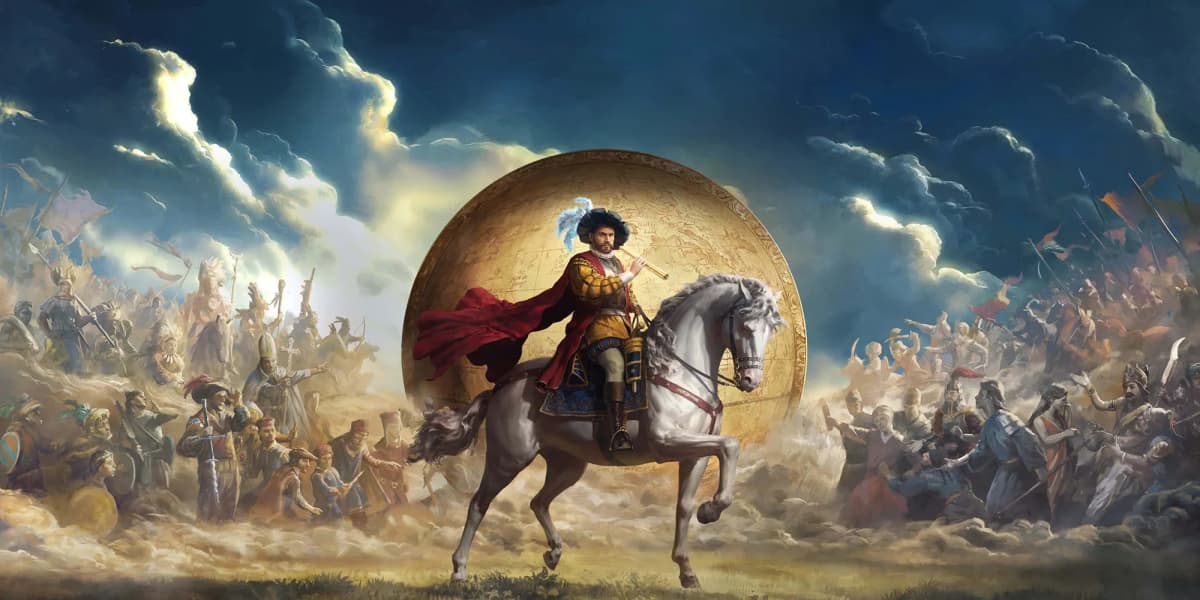
On the military side, Paradox promises a “completely new” system that evolves from levy-heavy early game to professional armies and tougher fortifications later. The series needed this. EU4’s late-game doomstacks and carpet sieges are legendary for the wrong reasons. If commanders and logistics have real weight, we might finally get wars that reward planning and positioning over ping-ponging micro.
Why This Matters Now
EU4 launched in 2013 and became a platform—the poster child for long-tail DLC. It’s beloved, but it also grew unwieldy. After the mixed reception of Victoria 3’s early systems and Imperator’s rocky start, Paradox has something to prove: that it can rethink core design without collapsing under complexity or performance woes. EU5 aiming for a larger, more detailed world while simulating society at a deeper level is ambitious bordering on audacious. The series has always lived at the intersection of history nerd and strategy tinkerer; adding POPs and food leans harder into simulation in a game that spans the Hundred Years’ War to the Age of Revolution. That’s a lot of centuries to keep balanced and fun.
The Gamer’s Perspective: Hype vs. Homework
This caught my attention because POPs and logistics are exactly where grand strategy gets its drama. Famines cascading into unrest, supply lines deciding wars, minority provinces becoming diplomatic flashpoints—that’s the good stuff. But the success of EU5 will come down to three practical questions:
- Can the UI make POPs and food readable at a glance, not buried in submenus?
- Will the AI handle estates, trade, and logistics well enough to be a worthy rival rather than a chaos machine?
- Does warfare feel less like stack-slapping and more like campaigns with intent and risk?
On content and value: the base game is $59.99/£49.99/€59.99, with a Premium Edition at $84.99/£70.99/€84.99 that includes two future “chronicle packs” and one immersion pack plus an instant cosmetic. That upfront DLC promise will make some veterans wince—EU4’s content bloat is still a fresh memory. If you’re DLC-shy, the standard edition seems the sensible buy until we see how robust the launch feature set feels after a few weeks of community pressure-testing.
Multiplayer stability, performance on sprawling late-game saves, and the learning curve are my other watch items. EU has always been friendlier than Victoria on onboarding, but POP micromanagement can get out of hand fast. If Paradox nails automation and sensible defaults, EU5 could thread the needle: more historical texture without burying players in ledgers. If not, expect a lively modding scene to try to fix the friction—assuming the tools are there, as they typically are for Paradox titles.
What Gamers Need to Know
- Available now on PC at $59.99/£49.99/€59.99; Premium Edition is $84.99/£70.99/€84.99 with future content included.
- Timeline spans late Middle Ages to the Age of Revolution: Reformation, dynastic crises, colonial pushes, and more.
- Core systems: detailed populations by culture/faith, food and necessities, estates with clout, overhauled trade and warfare.
- Play your way: pen or sword, tolerance or zeal, centralized courts or noble privilege—your choices shape internal stability and power projection.
TL;DR
Europa Universalis V swings big: POPs, food logistics, and a new military model could refresh the series in all the right ways. It’s ambitious and promising, but the real verdict hinges on AI competence, UI clarity, and how much micromanagement players are asked to swallow. For now, cautious optimism—and a new map to lose weeks of your life to.
FinalBoss // Gear
Level up your setup
01Top-rated gaming headsetson Amazon→02High-refresh gaming monitorson Amazon→03Gaming chairson Amazon→04Discounted game keyson Kinguin→Affiliate links · As an Amazon Associate, FinalBoss earns from qualifying purchases.
Want to Level Up Your Gaming?
Get access to exclusive strategies, hidden tips, and pro-level insights that we don't share publicly.
Ultimate Gaming Strategy Guide + Weekly Pro Tips