
Table of Contents (9)
EGDF’s 2026 warning: protect human-led AI, fair platform payments and Europe’s game sovereignty
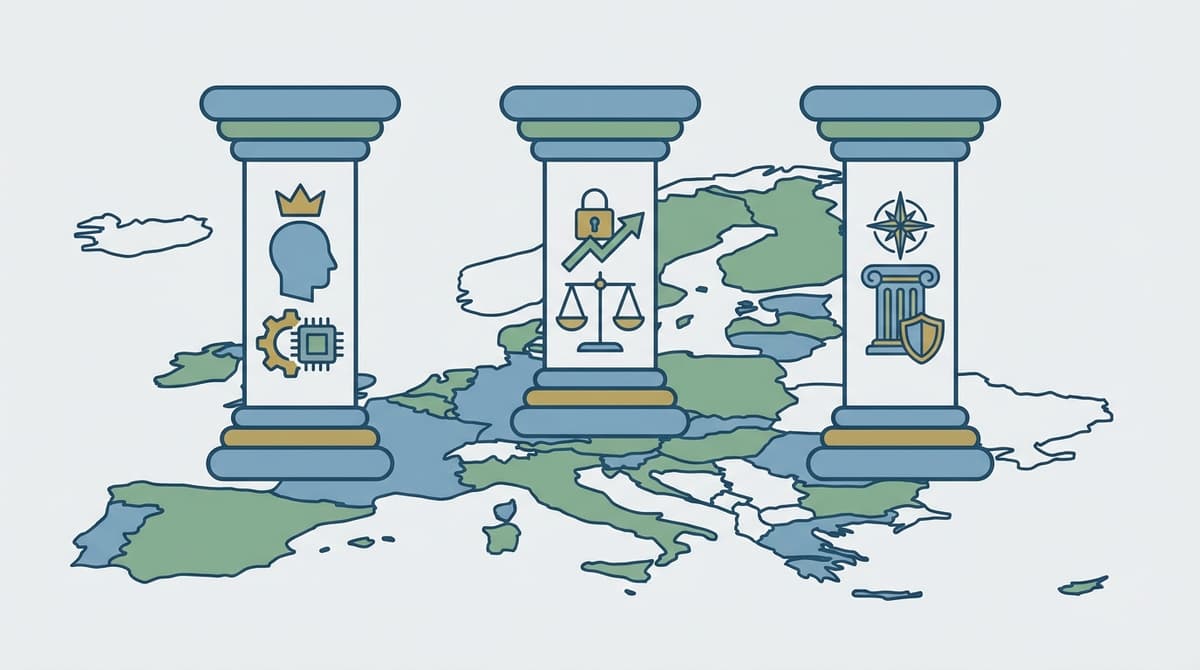
The short version for players: Brussels‑level decisions this year could shape what European studios can make, how affordable and playable their games stay, and whether the continent’s stories survive on global platforms. At its State of the Industry call, the European Games Developer Federation (EGDF) told policymakers and industry leaders to prioritise three things in 2026 – keep humans in charge of AI tools, guarantee fair platform payment terms for SMEs, and strengthen Europe’s technological and cultural sovereignty.
- Human-led AI: EGDF wants AI to assist developers, not replace creative control.
- Fair platform payments: SMEs are losing out to opaque or unfavourable platform economics; regulators may need to step in.
- Technological and cultural sovereignty: Europe needs its own infrastructure and policy guardrails to protect competitiveness and cultural expression.
Why this matters now
EGDF’s intervention isn’t abstract lobbying. The backdrop is a tricky mix: overall consumer spending stayed healthy in 2025 – global game content sales rose 5.3% to $195.6bn – but private investment cratered and jobs were cut across the industry. GamesIndustry.biz reported a 55% plunge in private funding and roughly 9,200 roles lost in 2025. That squeeze makes smaller European studios especially vulnerable to platform fees, AI-driven pipeline shifts, and the dominance of non‑European infrastructure and storefronts.
Breaking down EGDF’s three priorities
EGDF president Hendrik Lesser summed it up bluntly: “It is time to look forward, stand up, and push European technological and cultural sovereignty.” Here’s what each priority means for developers — and why players should care.
1. Keep humans in the director’s chair for AI
AI is already changing workflows — generative art, code assistance, level design helpers and automated QA. EGDF wants rules and norms that ensure these systems remain assistants rather than directors. That aligns with growing unease inside the dev community about “AI slop” and rushed tool adoption, a theme echoed by maintainers and commentators in recent weeks. For gamers, that means a push to preserve authorial intent, credited creative ownership, and gameplay quality rather than letting cost‑cutting automation determine creative outcomes.
2. Fair platform payments for SMEs
EGDF flagged practices that disadvantage smaller European studios — from opaque fee structures to currency conversions that shift value out of developers’ hands. Their recommendation: regulators should ensure transparent, fair payment terms so European creators can actually compete. If nothing changes, players may see less local content, higher prices, or studios pushed into unsustainable business models to service platform cuts.

3. Technological and cultural sovereignty
Beyond money and tools, EGDF argues Europe needs homegrown infrastructure and legal frameworks that treat games as cultural assets. That spans everything from cloud and AI infrastructure to game preservation. This echoes momentum from campaigns pushing for protections against online‑service shutdowns that erase purchased games — a citizen initiative delivering over one million signatures to Brussels has recently underscored how fast preservation moved from niche issue to political pressure.
What this could actually change for gamers
If EGDF’s priorities gain traction, players could see clearer labelling of AI‑assisted content, stronger protections when online services shut down, and a healthier indie scene making culturally distinct games. It might also mean policy fights over platform fees that could temporarily affect storefront relationships or pricing. None of this guarantees immediate wins — policy is slow and platform economics are complex — but the conversation moving to Brussels is the first step toward enforceable rules.
What to watch in 2026
- EU policy moves on digital sovereignty and AI governance that touch creative industries.
- Regulatory attention to platform payment practices affecting SMEs.
- Industry adoption of AI tools and whether unions, toolmakers, or platforms accept “human control” safeguards.
- The outcome of preservation campaigns and any new rules about online‑service shutdown protections.
This caught my attention because Europe’s games scene has always balanced global markets with local culture — and right now that balance is fragile. EGDF is trying to turn short‑term economic pressure into a longer‑term policy agenda that protects creativity and competitiveness. Whether Brussels listens will shape what kinds of European stories survive and how developers build them.
TL;DR
EGDF wants rules that keep AI as a tool, force fairer platform pay for smaller studios, and build Europe’s tech and cultural muscle. For gamers, that’s about preserving diverse local content, fairer economics for indie creators, and stronger protections for the games you buy. 2026 looks like the year those debates leave industry chatrooms and hit policymaking — and the results will matter.
FinalBoss // Gear
Level up your setup
01Top-rated gaming headsetson Amazon→02High-refresh gaming monitorson Amazon→03Gaming chairson Amazon→04Discounted game keyson Kinguin→Affiliate links · As an Amazon Associate, FinalBoss earns from qualifying purchases.
Want to Level Up Your Gaming?
Get access to exclusive strategies, hidden tips, and pro-level insights that we don't share publicly.
Ultimate Gaming Strategy Guide + Weekly Pro Tips