

Évanouis Review: Will This 100% Critic-Rated Horror Redefine Fear?
Let’s be honest: horror films with sky-high Rotten Tomatoes ratings are rare beasts. So when Évanouis (originally titled Weapons) touched down in France with an unheard-of 100% critic score, my survival-horror gamer radar pinged louder than possessed radio static. Add Josh Brolin’s stoic desperation and Julia Garner’s brittle intensity, and suddenly I’m calculating escape routes—both in front of the screen and inside my controller’s grip. This isn’t just another haunted-house flick; it feels like a design document for dread, written by someone who’s binge-played every Silent Hill and Outlast installment.
Director’s Vision: From Barbarian Beginnings to Surging Dread
When Zach Cregger stormed the genre with Barbarian in 2022, he rewrote the horror playbook, trading pop-and-fall jump scares for audience trickery and slow-burn tension. Rather than lean on basement-door slams, he teased terror out of whispered promises and audacious twists. Critics cheered, and casual viewers swore off creaky floorboards for life. Now, Cregger shifts focus from urban decay to a decaying township where 17 college students vanish overnight and sinister secrets fester behind shuttered windows.
Évanouis amplifies everything we loved about Barbarian: the patient dread, the sly misdirection, the feeling that any familiar trope might betray you. Early stills hint at neon-lit hallways splintered by darkness and an oppressive sense that the walls themselves might be watching. If Cregger leans as heavily into psychological terror here as he did before—and resists the temptation of cheap CGI shocks—Évanouis could mark him as horror’s next visionary, sharing space on the marquee with Ari Aster and David Robert Mitchell.
Story and Themes: Unraveling Dark Traditions
At its core, Évanouis hinges on a deceptively simple premise: a tight-knit group of history students investigates local legends only to disappear one by one. On paper, the characters mirror archetypes—a skeptical outsider, the lore-obsessed amateur, the local with a hidden past—but Cregger’s script promises fresh twists that turn those archetypes inside out.
Whispers of occult ceremonies thread through empty classrooms and abandoned chapels, evoking the oppressive fog of Silent Hill or the delirious shadows of Alan Wake. More than gore, the film teases deep symbolism: echoes of colonial guilt, small-town complicity, and the cost of unearthing buried sins. If Cregger balances episodic reveals with a coherent through-line, Évanouis could spark post-viewing debates worthy of any academic symposium—or at least a spirited Reddit thread.
Cast Breakdown: Star Power Meets Genre Credibility
On paper, this ensemble reads like both a cinephile convention and a developer pitch for Hollywood-voiced horror games. Josh Brolin, having carved out a niche as the conflicted villain and the desperate father figure, channels raw paternal desperation here—imagine him smashing down doors with all the gravitas of someone who’s lost more than just sanity.
Julia Garner, who can pivot from brittle fragility to unyielding steel in a heartbeat, anchors the film’s academic heart as the student determined to crack the township’s cryptic code. Supporting players like Alden Ehrenreich and Benedict Wong add genre seasoning: wisecracking charm one moment, quiet gravitas the next. It’s reminiscent of how games like The Quarry and Until Dawn leveraged seasoned actors to heighten every jump scare and story beat.
Production Design and Soundscapes: Crafting Immersive Horror
Horror lives or dies on its atmosphere, and Évanouis looks prepared to suffocate you in details. Picture peeling wallpaper that seems to bleed, broken street lamps that cast skeletal patterns across cracked pavement, and an abandoned chapel dripping with damp incense and hushed chants. The cinematography reportedly favors lingering wide shots, so every empty corridor feels as endless as a midnight game map.
Sound design is equally crucial. Early trailers hint at low-frequency rumbles that unsettle your chest, sudden voids of silence that feel like a second presence, and creaking floorboards that mimic the footstep triggers you learned to fear in Resident Evil 7. If Cregger integrates audio cues as deftly as a survival-horror designer programs jump scares, Évanouis could be more than a film—it could be a sensory trap that you can’t escape even with headphones off.
Echoes of Gaming: When Film and Interactive Frights Collide
Any survival-horror gamer will recognize the structural DNA: investigate, decipher clues, manage mounting dread, and decide whom to trust. Évanouis borrows these mechanics cinematically, rewarding eagle-eyed viewers with payoff sequences that feel like unlocking the final safe in a mansion. Its pacing—long stretches of quiet dread punctuated by jolts—echoes classics like Silent Hill 2 or Outlast.
Lantern-light shots, cryptic sigils scrawled on dusty walls, environmental storytelling via torn journal pages: these are game-design choices translated to film. Should Cregger nail this synergy, Évanouis may well become a case study for directors and developers alike, pointing the way to a future where watching feels as participatory as playing.
Want to Level Up Your Gaming?
Get access to exclusive strategies, hidden tips, and pro-level insights that we don't share publicly.
Ultimate Gaming Strategy Guide + Weekly Pro Tips
Hype vs. Reality: A Gamer’s Sherpa Through the Marketing Maze
Here’s where my inner skeptic reactivates. In gaming, we call it feature creep—when ambition outpaces execution. Critic reviews glow with praise for symbolism, while hardcore fans often crave clear stakes and satisfying confrontations. Right now, Évanouis has buzz but no public audience scores, so its true test will be box-office endurance and word-of-mouth echo chambers.
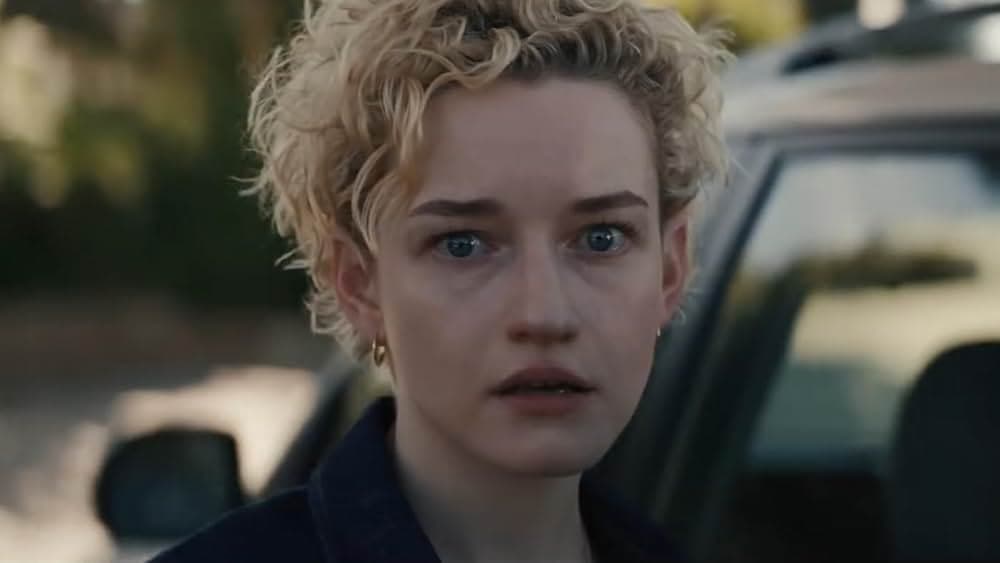
Will the finale reconcile its occult mysteries with a bone-chilling payoff, or will viewers leave hunting for loose ends in cryptic ciphers? Will key character arcs crescendo in genuine catharsis, or dissolve into ambiguous allegory? As someone who’s restarted Silent Hill 2 just to uncover hidden dialogue, I’m rooting for narrative economy—where every scene, every scare, absolutely counts.
Comparisons and Caveats: Learning From Past Misfires
Remember Under the Skin’s critical triumph that left many scratching their heads? Or Midsommar’s slow-burn brilliance that divided dancefloor and matinee audiences? Both dared to push horror forward but risked alienating viewers hungry for visceral clarity. Horror gaming offers similar cautionary tales: ambitious story-driven titles sometimes falter when lore obscures momentum.
If Cregger anchors his mythology in tangible stakes—blood on the floor, frantic chases, gut-wrenching reveals—Évanouis could find its sweet spot. Lean too heavily on opaque allegory, though, and he may test even the most patient cinephiles and gamers. Best-case scenario: we get relentless dread and a finale that feels earned, not whispered through static.
Potential Impact on the Genre: A Two-Way Street
Should Évanouis hit its marks, its influence could ripple through both film and game design. Imagine studios experimenting with branching-film structures—alternate edits unlocked like DLC—or game developers dialing down gore in favor of psychological terror that lingers after you power down. We’ve seen anthology games flirt with cinematic framing and films dropping interactive Easter eggs, but a true cross-medium hybrid remains elusive.
Évanouis could be that spearhead: the proof-of-concept that horror needn’t live in silos. Visionary filmmakers and studios might partner with developers to craft shared universes, where your choices in-game affect secret film cuts, and vice versa. The potential is spine-tingling.
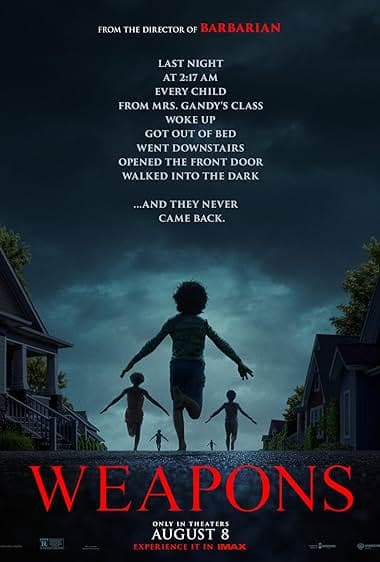
Audience Anticipation: Reading the Room
Early festival buzz and trade screenings hint at polarized reactions: some hail Évanouis as a masterclass in restraint, others grumble about moodily repetitive setups. Until the general-release verdict rolls in, speculation reigns. But here’s what I predict: hardcore horror gamers, cinephiles who host live TTRPG watch-alongs, and academic essayists will have a field day.
Expect Twitch watch parties with live commentary, YouTube deep dives cataloguing every sigil and symbol, and perhaps even fan-made VR mods of key locations. If Évanouis can ignite that level of engagement—outlive the initial hype cycle—it will have done more than scare us; it will have invited us inside its dread-soaked world.