
An apology can fix a tone problem in one afternoon. It cannot fix a predator that feels like bullshit.
That is where I land on the Subnautica 2 backlash. I’m genuinely glad Unknown Worlds apologized after the whole mess around dismissive responses to players upset about the game’s lack of weapon-based combat and its frustrating creature encounters. Saying sorry mattered. Telling unhappy players to go play something like Sons of the Forest was a stupid, smug way to answer a real design complaint, and the studio was right to walk that back in an open letter. But I also think a lot of this discourse got flattened into the dumbest possible version of the argument: “players just want to kill fish.” No. What players want is a survival game that respects the difference between fear and helplessness.
That difference is everything. If Subnautica 2 wants to keep its no-lethal-weapons identity, fine. I’m not demanding an underwater shotgun so I can roleplay as the worst tourist in alien-ocean history. I actually think the series loses something important if every problem becomes another target. But if the game refuses to give players lethal force, then it owes them something better: readable threat behavior, reliable defensive tools, and encounters that feel learnable rather than random. That’s the standard. Not optional. Not a nice-to-have. The standard.
Table of Contents (6)
The apology was necessary, but it was only step one
By all accounts, the studio’s public promise is pretty clear now. Unknown Worlds says it is not planning to add weapon-based combat, but it will use Early Access feedback to adjust creature aggression timing, aggro range, the effectiveness of flares and other survival tools, and how hostile creatures interact with vehicles and bases. That is the part of the statement I actually care about. Not the “we hear you” language. Every studio says that after it gets roasted. The useful part is the list of systems they’re willing to touch.
And this is where I think the apology deserves some credit without getting a free pass. We’ve seen the same general rhythm elsewhere lately: studio gets defensive, community gets furious, then comes the open-letter remorse tour. Sometimes that apology is mostly about communication, not the game itself. Square Glade’s recent Outbound blow-up worked exactly like that. The meaningful part of its apology was not the emotional tone; it was the policy change. Stop asking players to alter negative reviews. Respect criticism. That’s concrete. Subnautica 2 is in a similar spot. The apology matters because it signals a change in how the team wants to talk to players, but the real measure is whether the upcoming updates actually make the ocean feel fairer.
So yes, I take the apology seriously. I just don’t confuse “seriously” with “uncritically.” An open letter is easy. A good creature-avoidance loop is hard.
No weapons is not the problem. Fake helplessness is.
The loudest version of this debate is also the least interesting. It goes like this: Subnautica has no guns, some players hate that, and the studio is bravely defending its artistic vision. That framing flatters the developer and insults the player at the same time. Most people complaining are not demanding a full combat overhaul because they secretly want the game to become an action shooter. They are reacting to encounters that feel muddy, punitive, and under-explained. There is a huge difference between “I cannot kill this thing” and “I don’t understand what this thing wants, when it will escalate, or whether my tools actually work.”
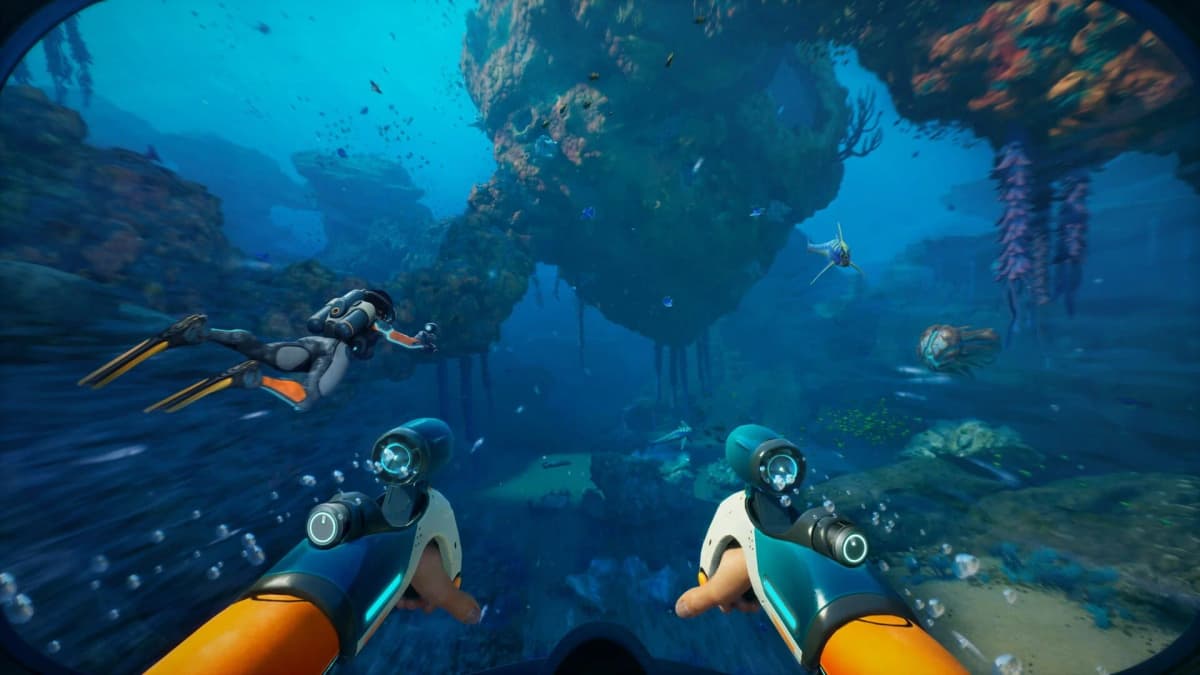
Good survival-horror and good stealth design have understood this for years. If you deny the player lethal force, you must compensate with information. Alien: Isolation gets away with making you weak because the hunt is legible. You learn sound cues, routes, timing, and risk. When things go wrong, you usually know why. Classic Subnautica got away with terror for similar reasons. It wasn’t beloved because you could dominate leviathans. It was beloved because its fear had texture. The world was hostile, but it was rarely incomprehensible. You were under-equipped, not under-informed.
That is why I’m still willing to defend Unknown Worlds keeping the no-weapons line. A harpoon gun would be the easiest way to shut people up for a month, and also a great way to flatten the series into something much less interesting. The moment every scary creature becomes a health bar, the ecosystem stops feeling like an ecosystem and starts feeling like content. But the studio cannot use that identity as a shield while predators behave like unreadable collision events with anger issues. “No weapons” only works when “non-lethal survival” is deep enough to stand on its own.
What actually has to change, in gameplay terms
This is the part I wish more developers would say out loud. Players are often better at identifying a pain point than prescribing the solution. If a bunch of people say they want combat, that does not automatically mean the game literally needs guns. It may mean the current defensive kit is too vague, too weak, too inconsistent, or too invisible. So when Unknown Worlds talks about tuning aggression, aggro range, flare effectiveness, and vehicle or base interactions, that’s not some minor numbers pass. Those are the bones of whether the whole loop feels tense or cheap.
For me, four design questions matter more than any slogan about vision:
- Can I tell when a creature is curious, warning me, or fully committed to an attack?
- When I use a flare or survival tool, do I get a clear and reliable response, or am I just praying at the water?
- If I fail, do I understand what mistake I made: distance, timing, angle, noise, light, vehicle state, biome conditions?
- How often do hostile encounters escalate during normal resource runs, and does that cadence create tension or just exhaustion?
- Do vehicles and bases extend my planning options, or are they expensive paper shells that hostile fauna can invalidate too easily?
If the next updates answer those questions well, then this entire controversy starts to look productive. If they do not, then the apology becomes one more example of a studio saying the right words while players keep absorbing the same frustration in slightly different patch numbers.
And here’s the crucial thing: no-lethal-weapons design does not mean low-agency design. It should mean the opposite. It should mean baiting, distracting, blinding, escaping, routing, fortifying, reading patterns, and making clever decisions under pressure. Planning instead of brute force. That can be brilliant. But only if the game gives enough feedback for players to build actual knowledge instead of folk superstitions.
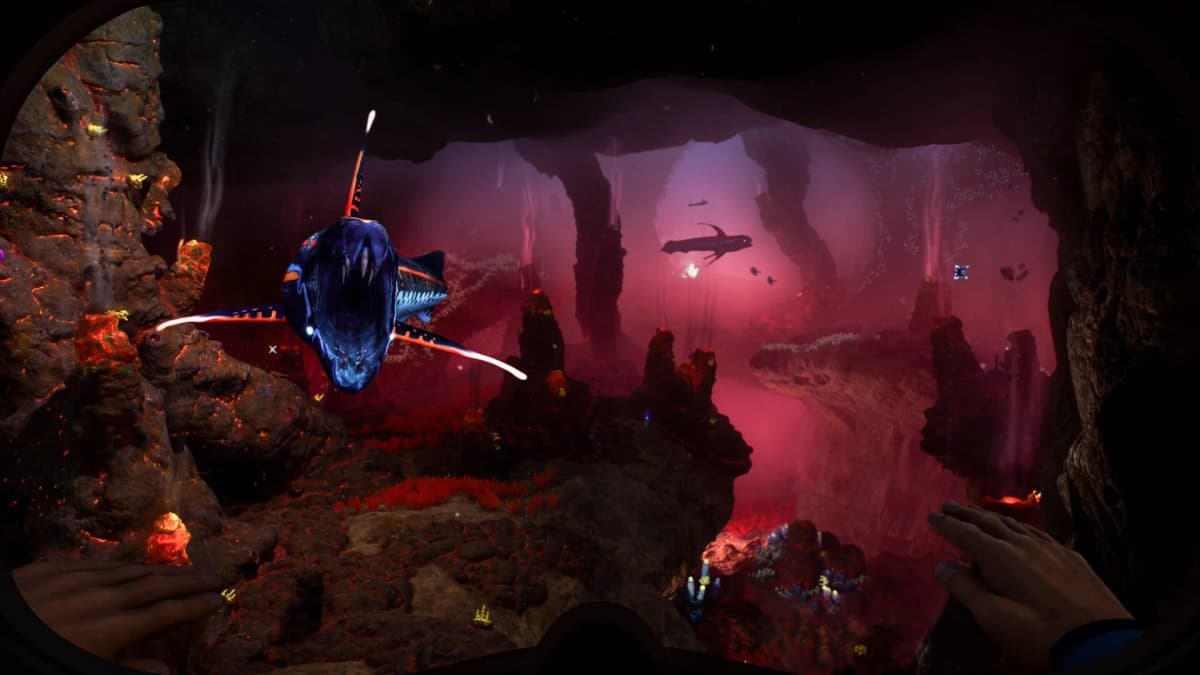
Flares, aggro, and vehicle safety are not “small tweaks”
I think a lot of people outside survival-game communities underestimate how much hangs on the exact tuning of defensive tools. If flares work sometimes, sort of, maybe, depending on an invisible mood swing in the AI, they are not tools. They are props. If creature aggression snaps from passive to relentless too quickly, exploration stops feeling dangerous and starts feeling interrupted. If aggro range is so broad or inconsistent that every trip turns into a panic tax, players stop experimenting. They hug safe routes, overfarm familiar zones, and treat the world like a minefield instead of an ecosystem. That is how wonder dies.
The same goes for vehicles and bases. If the studio is serious about changing how creatures interact with them, good, because that is a massive piece of player trust. Vehicles in games like this are not just transport. They are emotional infrastructure. They are the mobile version of confidence. If a creature can wreck that confidence with too little warning or too little counterplay, then exploration becomes insurance paperwork. I don’t need mounted torpedoes and murder subs. I need my tools, upgrades, and construction choices to mean something when the ocean gets angry.
And if the game wants bases to feel vulnerable, that can work too. Vulnerability is not the issue. The issue is legibility. I need to understand what attracted aggression, what defenses matter, what kinds of reinforcement reduce risk, and what the failure state looks like before I’m staring at damage I could never reasonably anticipate. “You should have planned better” is only fair when the game gave me enough information to actually plan.
Early Access is not a shield for being dismissive
This whole drama also touches a bigger industry nerve, and honestly, I’m glad it blew up for that reason. Early Access is supposed to be a conversation. Messy, sometimes hostile, sometimes contradictory, sure, but a conversation. The second a developer starts acting like criticism is evidence that players want the wrong game, the relationship rots fast. Not because players are always right. They absolutely are not. But because buying into an unfinished survival game is an act of trust. If the answer to discomfort is “go play something else,” then the studio has forgotten what it asked for when it launched in Early Access in the first place.
That is why I don’t buy the defensive line that the community overreacted to one offhand Discord remark. Sorry, but this stuff matters. Tone reveals philosophy. A dismissive answer suggests the team was hearing “we hate your vision” when many players were actually saying “your current implementation feels bad.” Those are not the same complaint. One is a demand for identity change. The other is feedback about execution. The open letter seems to recognize that distinction now, which is good. It needed to.
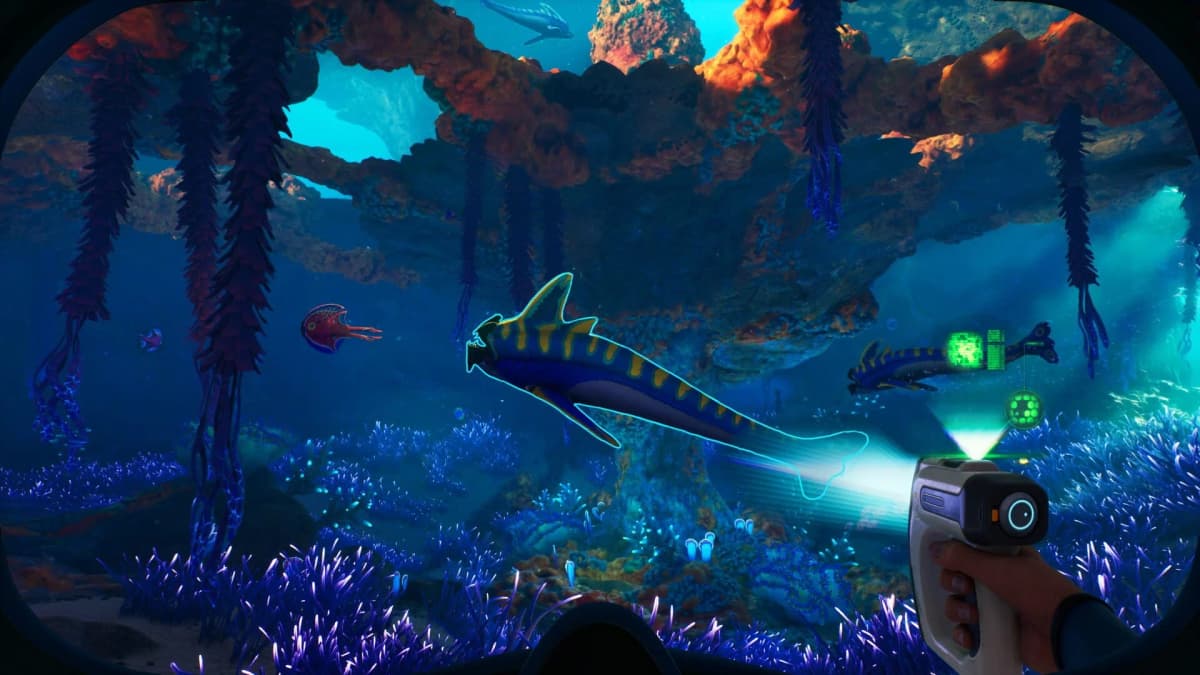
What we do not have yet, though, is the part that matters most: controller-in-hand proof. We know the broad areas the studio says it wants to improve. We do not yet have the full long-term evidence of how dramatic those changes will be, how fast they’ll arrive, or whether they’ll solve the underlying frustration rather than just sand down the edges. Anyone pretending the issue is already fixed is guessing. Anyone pretending the game is doomed is also guessing. Early Access is where that argument gets tested for real.
The uncomfortable truth: some players still won’t be satisfied, and that’s okay
I do want to acknowledge the part some fans won’t like hearing from me. Even if Unknown Worlds nails these changes, there will still be players who simply want a more direct offensive option. A spear gun. A shock weapon. Something clean and decisive. I get the appeal. Direct force is understandable. It reduces ambiguity. It makes people feel less toyed with. If Subnautica 2 keeps its no-weapons stance, it is choosing a narrower lane on purpose, and that lane will always frustrate some part of the audience.
But I’d still rather see the studio stubborn about identity than lazy about design. Those are not the same kind of stubborn. Saying “we won’t add guns because this world should feel like a place you survive through knowledge, preparation, and respect” is a defensible creative call. Saying “we won’t add guns, and you can deal with half-baked avoidance mechanics” is just arrogance dressed up as principle. The first version is worth protecting. The second deserves every bit of backlash it gets.
FinalBoss // Gear
Level up your setup
01Top-rated gaming headsetson Amazon→02High-refresh gaming monitorson Amazon→03Gaming chairson Amazon→04Discounted game keyson Kinguin→Affiliate links · As an Amazon Associate, FinalBoss earns from qualifying purchases.
Want to Level Up Your Gaming?
Get access to exclusive strategies, hidden tips, and pro-level insights that we don't share publicly.
Ultimate Gaming Strategy Guide + Weekly Pro Tips