
This is not really a rebrand story. It is a control story. The studio behind EVE Online has shed the CCP Games name, become Fenris Creations, bought its way back out from under Pearl Abyss in a $120 million deal, and paired that with a Google DeepMind research partnership. The name change is the least interesting part. What matters is that EVE is back under its old guard just as one of the most complicated virtual economies in games becomes a sandbox for serious AI research.
Fenris says players should expect no layoffs, no management shakeups, no studio closures, and no disruption to live operations across Reykjavik, London, and Shanghai. That is the immediate practical takeaway. EVE Online continues, and so do EVE Vanguard and EVE Frontier. But if you are trying to read past the corporate niceties, two things stand out: Pearl Abyss is exiting at a steep haircut from the $425 million it paid in 2018, and DeepMind is not just collaborating from the sidelines, it is taking a minority stake.
Table of Contents (4)
The Pearl Abyss chapter ended the way a lot of game acquisitions do
There is a familiar pattern here. Big publisher buys eccentric studio. The pitch is scale, support, global reach, synergies, the usual boardroom perfume. Years later, the studio is spun back out, the original culture is suddenly being praised again, and everyone politely avoids saying the obvious part: the marriage did not produce the kind of value the buyer expected.
Pearl Abyss bought CCP in 2018 for a headline figure of $425 million. Fenris is now emerging via a $120 million transaction led by management and long-term investors. Cash and non-cash details aside, that delta is hard to ignore. It does not automatically mean disaster inside the walls, but it absolutely suggests Pearl Abyss did not get the strategic upside it wanted from owning the maker of EVE Online.
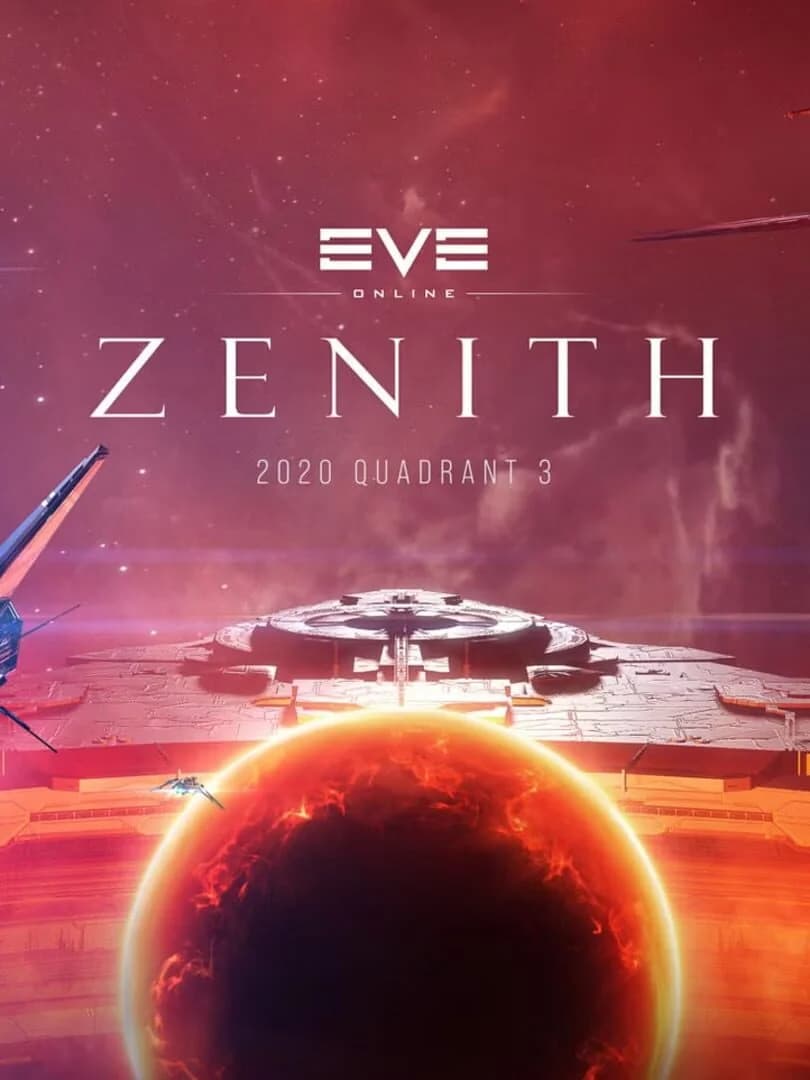
For players, independence is not magic. Studios do not become saints the second private equity leaves the room. But in EVE’s case, there is a real argument that the game works best when it is run by people who understand that its value comes from long-term ecosystem stewardship, not quarter-to-quarter franchise extraction. EVE is not the kind of game you can optimize with a dashboard and a seasonal monetization brainstorm. Every time somebody tries to force it into a cleaner corporate shape, the game pushes back.
The DeepMind deal is either brilliant, worrying, or both
The other half of this announcement is where the real heat is. Fenris and Google DeepMind say they will use an offline EVE environment to research AI problems like long-horizon planning, memory, and continual learning. On paper, that makes perfect sense. If you wanted a digital world that punishes short-sighted behavior, rewards logistics, tests coalition building, and generates absurdly complex decision trees, you could do a lot worse than EVE Online. Frankly, you would struggle to do better.
That also explains why this partnership should make people raise an eyebrow. EVE is not just a pretty IP wrapper for AI experiments. It is a decades-old live game with a famously obsessive player base and an economy where tiny systemic changes can create huge downstream effects. Fenris is emphasizing that the research happens offline, which is the right reassurance and, at least right now, the key distinction. This is not a claim that DeepMind bots are about to start ruining null-sec. But “offline research environment” is not the same thing as “this will never inform future game systems.”
The uncomfortable question the PR messaging skates past is simple: where exactly does this collaboration stop? Does it remain a clean research lab using an EVE-inspired environment? Could it feed into NPC behavior, live event orchestration, economy simulation, fraud detection, or automation tooling? Those uses are not equally controversial, and bundling them all under “AI research” would be a classic industry trick. Players deserve specificity before they get sold a reassuringly vague vision of innovation.
Why EVE makes sense as an AI testbed
To be fair, this is not some random buzzword collision. EVE has always been more simulation than theme park. Its player alliances already behave like messy machine-learning case studies with tax policy, supply chains, espionage, territorial warfare, and enough irrational human behavior to ruin any neat model. If DeepMind wants to study agents that need to remember, plan across long time horizons, adapt to changing conditions, and operate in systems they do not fully control, EVE is a brutally good proving ground.
That is exactly why the partnership could be materially important beyond one MMO. Most game-related AI demos are fluff: NPCs that improvise dialogue, marketing decks about “living worlds,” or backend automation with a shiny trailer stapled on top. This one is more serious. It is focused on problems researchers actually care about, in an environment dense enough to expose failure fast. That does not mean players should clap on command. It means this is one of the rare AI-in-games stories that might actually be about research instead of investor theater.
What players should watch next
- Specific language at EVE Fanfest 2026. If Fenris starts talking in precise terms about offline simulation boundaries, that is reassuring. If it pivots into broad “future of intelligent worlds” fog, keep your wallet in your pocket.
- Any clarification on DeepMind’s minority stake. Minority investments can be passive, strategic, or the opening move to something bigger. Which one this is matters.
- Whether live EVE Online systems stay untouched. The studio says current development plans and staffing remain unchanged. Good. The next test is whether that remains true once the AI partnership starts generating usable tools or findings.
- How Fenris handles its other projects. EVE Vanguard and EVE Frontier are already part of a broader attempt to turn EVE from one immortal MMO into a wider ecosystem. Independence gives the studio freedom, but freedom can also mean spreading itself thin again.
If you are an EVE player, the short version is pretty simple. The studio is back in familiar hands, which is probably the healthiest business update this game has had in years. The DeepMind partnership is the part that could become genuinely significant, for better or worse. Not because “AI” is a magic word, but because EVE is one of the few games complicated enough to make that word mean something.
FinalBoss // Gear
Level up your setup
01Top-rated gaming headsetson Amazon→02High-refresh gaming monitorson Amazon→03Gaming chairson Amazon→04Discounted game keyson Kinguin→Affiliate links · As an Amazon Associate, FinalBoss earns from qualifying purchases.
Want to Level Up Your Gaming?
Get access to exclusive strategies, hidden tips, and pro-level insights that we don't share publicly.
Ultimate Gaming Strategy Guide + Weekly Pro Tips