

Evil Inside VR returns on PS VR2 & Quest 3 in Feb 2026 — and there’s one big catch
Game intel
Evil Inside VR
Evil Inside VR is not just a simple adaptation to Virtual Reality. It’s a complete reimagining of the original story, rebuilt to deliver a new, deeper, and mor…
The Big Deal for VR Horror Fans
Evil Inside VR is coming back as a full rebuild on February 5, 2026 for PlayStation VR2 and Meta Quest 3, and that’s worth paying attention to. Instead of a quick port, developer Bowl of Tentacles says they’ve reworked gameplay, puzzles, lighting, and audio to lean into what VR actually does best: intimate scares, tactile puzzles, and a heavier sense of presence. The catch? Right now it’s only confirmed for PS VR2 and Quest 3 – no mention of PC VR or older Quest headsets – which immediately shapes who gets to play and how good this can really look and run.
Key Takeaways
- A genuine VR reinterpretation, not a straight port – rebuilt with new interactions, puzzle flow, lighting, and audio.
- Launches February 5, 2026 on PS VR2 and Meta Quest 3; seated and standing play are supported.
- Published by JanduSoft; developer Bowl of Tentacles is steering the rebuild.
- Big open questions: comfort options, locomotion, price, length — and whether PC VR or older headsets will be supported later.
Breaking Down the Announcement
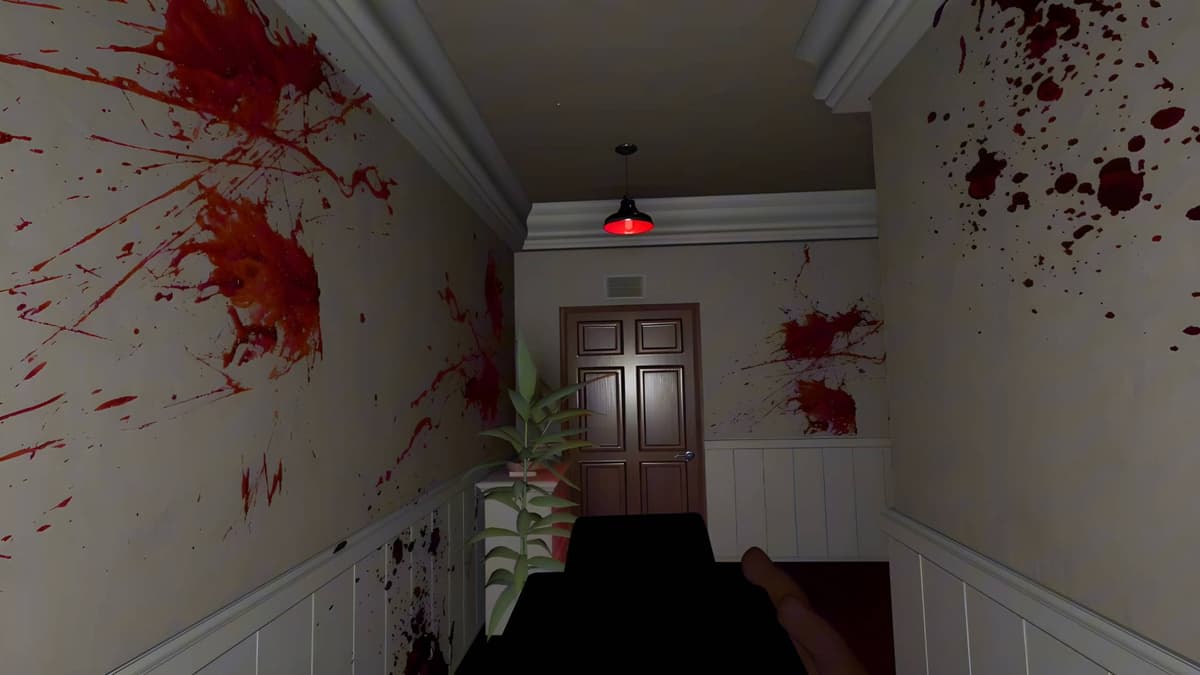
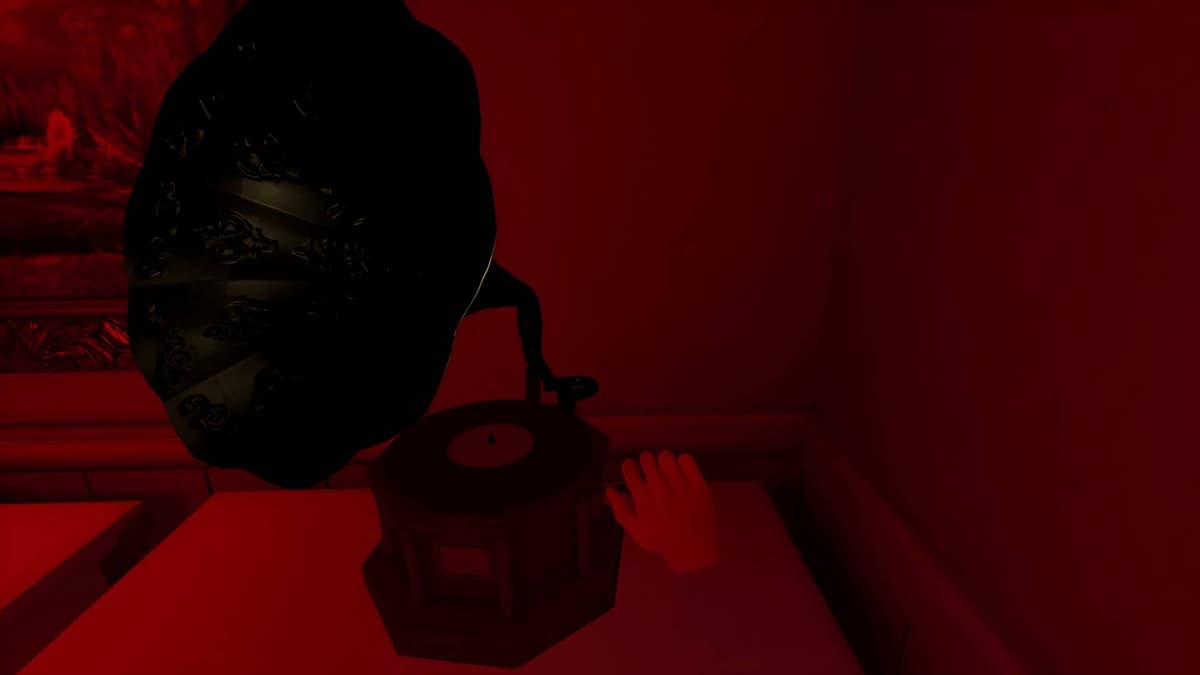
Here’s the straight info. Evil Inside VR has been rebuilt specifically for headsets by Bowl of Tentacles and published by JanduSoft. The team is pitching “natural interactions” — think grabbing, twisting, opening, slotting, and inspecting — the stuff that feels mundane on a gamepad but instantly tense when a headset seals you into a haunted space. The press notes also highlight darker lighting and more aggressive spatial audio. Horror lives or dies on those two pillars in VR; if the mix is right, even a quiet hallway can make your stomach drop.
Platform-wise, it’s locked to PS VR2 and Meta Quest 3 at launch. That’s a double-edged sword. On PS VR2, eye-tracked foveated rendering and headset haptics can elevate horror in a way few flatscreen games can match — if the devs use them. On Quest 3, the jump in standalone power versus older Quest hardware should help the lighting overhaul shine. The silence on Quest 2 and PC VR is the “big catch” for now; players on those platforms may be out of luck unless a later port shows up.
Why This Matters Now
This caught my attention because VR horror has quietly become the genre that sells headsets to the already converted. Resident Evil Village and RE4’s VR modes proved how much punch you can squeeze from presence alone, while indies like The Exorcist: Legion VR and MADiSON VR showed tighter, focused experiences can hit just as hard. PS VR2 especially needs more native-first horror that isn’t just a bonus mode. Dropping a rebuilt Evil Inside in early 2026 gives both platforms a scare tentpole during a quiet window.
There’s also the “rebuild” angle. The original Evil Inside (a budget, P.T.-inspired hallway haunt) took heat for being short and derivative. VR gives that formula a second life if the team truly rethinks pacing and puzzle logic. The difference between “walk down a corridor” and “physically pry open a jammed door while something whispers behind you” is the difference between forgettable and unforgettable in VR.
Healthy Skepticism (and What I’ll Be Looking For)
Marketing copy loves the words “reimagined” and “immersive,” but horror players know the drill: if locomotion is clunky, if comfort options are thin, if puzzles boil down to key-in-lock busywork, the fear evaporates fast. I’m cautiously optimistic, but a few specifics will make or break this launch:
- Locomotion and comfort: Free movement, snap/continuous turning, vignette intensity, and a generous seated mode need to be there day one.
- Meaningful interactions: VR puzzles should use your hands and space — stacking, aligning, listening, matching — not just “pick up key, open door.”
- PS VR2 features: Headset rumble, haptics, adaptive triggers, and eye-tracked foveation can amplify dread if they’re not treated as afterthoughts.
- Audio discipline: Proper spatial mixing and dynamic range are non-negotiable; jump-scare stingers can’t carry an entire game in VR.
- Scope and price: JanduSoft often backs smaller, punchy experiences. That’s fine — just price it accordingly and be clear about runtime.
If Bowl of Tentacles nails those points, the shift from “P.T.-like” to “oh no, I’m actually there” could feel substantial. If they don’t, we’ll get another corridor tour with nicer shadows.
Want to Level Up Your Gaming?
Get access to exclusive strategies, hidden tips, and pro-level insights that we don't share publicly.
Ultimate Gaming Strategy Guide + Weekly Pro Tips
What Gamers Should Expect
Based on the pitch, expect a focused, single-player psychological horror loop that leans on atmosphere over combat. Seated and standing support suggests the game respects living-room realities, which is good; now the team needs to back that up with granular comfort sliders. On PS VR2, I’m hoping for tactile cues in the headset and controllers during “touch the thing you don’t want to touch” moments. On Quest 3, it will come down to whether the lighting and audio overhauls survive standalone limits without turning into mushy blacks and muddy reverb.
One more note for the platform split: calling out Quest 3 specifically implies the game was built around that hardware baseline. If Quest 2 support were planned, most publishers say so early. If you’re still on Quest 2, consider this a nudge that more horror titles will start targeting the newer chipset in 2026.
Looking Ahead
Before release, I want to see raw gameplay that shows traversal, a full puzzle loop, and how the game handles VR “dead time” (inventory, re-inspecting clues, backtracking). I also want clear confirmation on comfort settings, runtime expectations, and whether a PC VR version is even on the table. If the answers land right, Evil Inside VR could be a fresh start for a maligned name — and a welcome jolt for PS VR2 and Quest 3’s horror libraries.
TL;DR
Evil Inside VR is being rebuilt for PS VR2 and Quest 3 with darker visuals, heavier audio, and hands-on puzzles, launching February 5, 2026. I’m cautiously hyped — but I want proof of strong comfort options, meaningful interactions, and smart use of PS VR2 features before I call it a must-play. The missing PC VR (and likely no Quest 2) is the current catch.