
Evo’s global sprint: more doors for players, more questions for the community
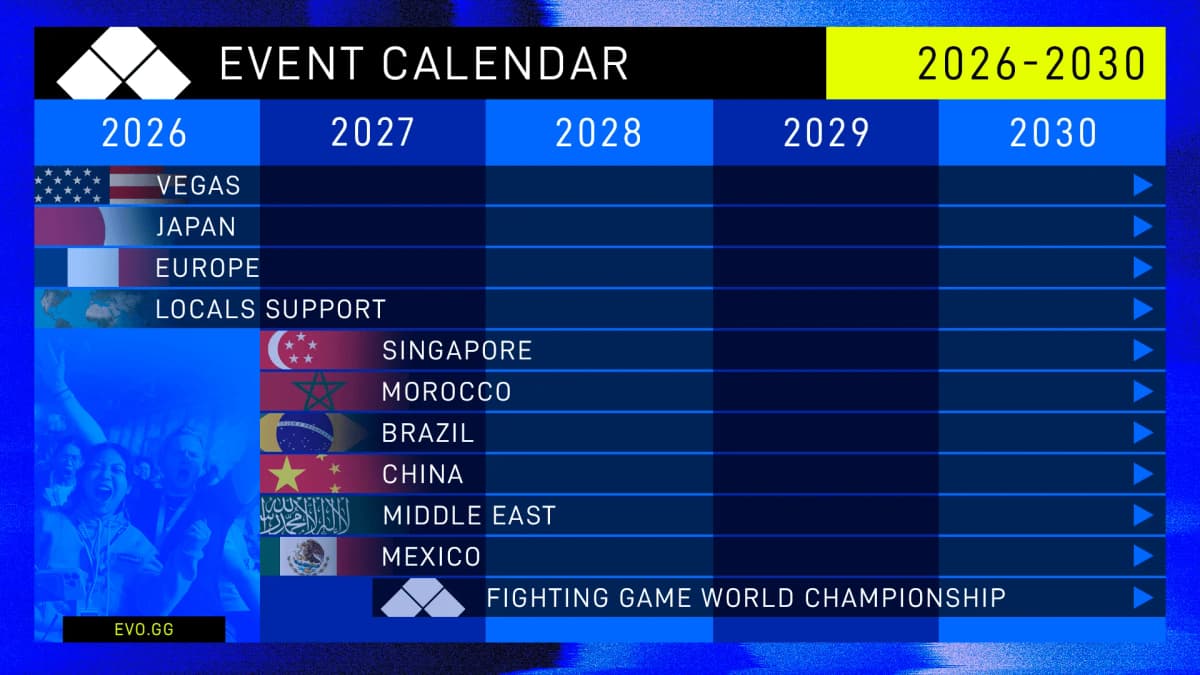
Evo is about to stop being a single annual crucible and become a network – five new regional Evos (China, Brazil, Morocco, Saudi Arabia, Mexico) plus a new multi-game World Championship are on the roadmap starting in 2027. That sounds like opportunity: more stages, more prize access, more visibility for regions that have historically been underserved. But this expansion lands on top of a fraught ownership change. Evo is now effectively controlled by Qiddiya – a vehicle of Saudi Arabia’s Public Investment Fund – which turns a growth story into an ethical and community-management test.
Table of Contents (7)
Key takeaways
- Five regional Evos (China, Brazil, Morocco, Saudi Arabia, Mexico) and a multi-game World Championship are scheduled to begin in 2027.
- The move can expand opportunities for local players and staff, but risks squeezing grassroots majors and diluting the singular prestige of Evo Vegas.
- Full control by Qiddiya/PIF raises sportswashing concerns that have already sparked community backlash.
- What matters next: qualification mechanics, calendar placement, local funding guarantees, and whether organizers protect — or crowd out — grassroots events.
Why this could actually help regions — and why that isn’t the whole story
More Evos sounds plainly beneficial. Brazil and Mexico have long, passionate fighting-game scenes that seldom get consistent, well-funded international attention. Morocco and Saudi Arabia open the door for MENA and North African competitors who face high travel barriers. China? That’s an obvious commercial play and a hotbed that will draw spectators and sponsors.
And Evo promising “community support” isn’t a line to ignore: infrastructure grants, local staff hiring, and venue subsidies can create sustainable scenes rather than one-off ticket dumps. After Evo France, organizers and local talent reported real opportunities — proof that Evo can be more than spectacle.
But Saudi ownership changes the calculus
Take out the soft language: Evo is now under the umbrella of Qiddiya, itself owned by Saudi Arabia’s Public Investment Fund. That link matters. It’s not an abstract corporate investor — it’s a state-linked vehicle with a clear geopolitical agenda to polish national image through global events. Critics calling this sportswashing aren’t inventing a theory; they’re pointing at a pattern we’ve seen across sports and culture when PIF-scale money moves in. Outlets and communities reacted to the takeover with visible anger and skepticism, and for good reason.
The brand dilution problem nobody’s sugarcoating
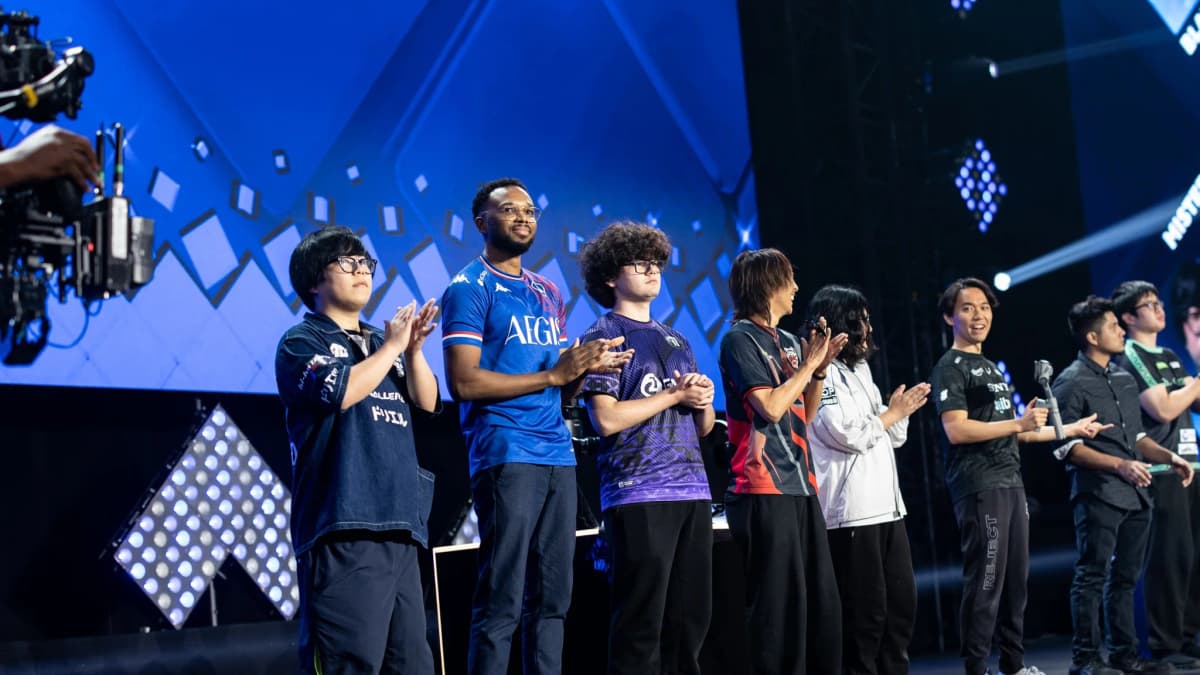
Evo Vegas has been the Superbowl of fighting games: a single, treasured moment where players, revealers, and creators converge. Adding three Evos was manageable. Pushing to nine plus a World Championship is something else — it turns a rare peak into a recurring fixture. That’s not automatically bad, but the prestige that lets Evo drive cultural moments is fragile. More events mean more production costs, calendar congestion, and the risk of turning Evo into a franchise label rather than a singular cultural event.
The question nobody’s asking aloud
Will the new Evos subsidize or replace grassroots majors? Local scenes often run on thin margins; their calendars and sponsor relationships are fragile. If Evo lands in Sao Paulo but pulls players, sponsors, and attention away from long-running grassroots events like Battle Coliseum, the net effect could be a hollowing out of the community that Evo claims to support. The right answer is partnership and revenue-sharing. The likely answer — if history is a teacher — is aggressive rollout with regional exclusivity or calendar dominance.
If I were standing in the PR room I’d ask: will Evo sign contracts that protect local organizers, guarantee a minimum funding slice for grassroots, and keep qualification open rather than locked to proprietary pipelines? The announcement glosses over those mechanics.
What to watch (concrete signals)
- 2026-2027 calendar release — watch for overlap with established majors and any exclusivity clauses.
- Qualification format for the World Championship — multi-game requirements could reward versatility or simply gatekeep players who can’t afford travel.
- Contracts and hiring — are locals and existing organizers retained, or are Qiddiya-backed teams replacing them?
- Sponsorship and prize pools — are funds sustainable, or one-off subsidized events with no long-term support?
TL;DR
Evo’s expansion could be a real boon for underserved regions — more stages, jobs, and visibility. But it’s happening under Saudi-linked ownership and at a scale that risks diluting Evo’s cultural power and displacing grassroots scenes. The next year will tell whether this is thoughtful growth or a fast, top-down rebrand that serves geopolitical aims more than players.
FinalBoss // Gear
Level up your setup
01Top-rated gaming headsetson Amazon→02High-refresh gaming monitorson Amazon→03Gaming chairson Amazon→04Discounted game keyson Kinguin→Affiliate links · As an Amazon Associate, FinalBoss earns from qualifying purchases.
Want to Level Up Your Gaming?
Get access to exclusive strategies, hidden tips, and pro-level insights that we don't share publicly.
Ultimate Gaming Strategy Guide + Weekly Pro Tips