
Table of Contents (6)
EVO’s ownership just flipped – and it changes everything for the FGC
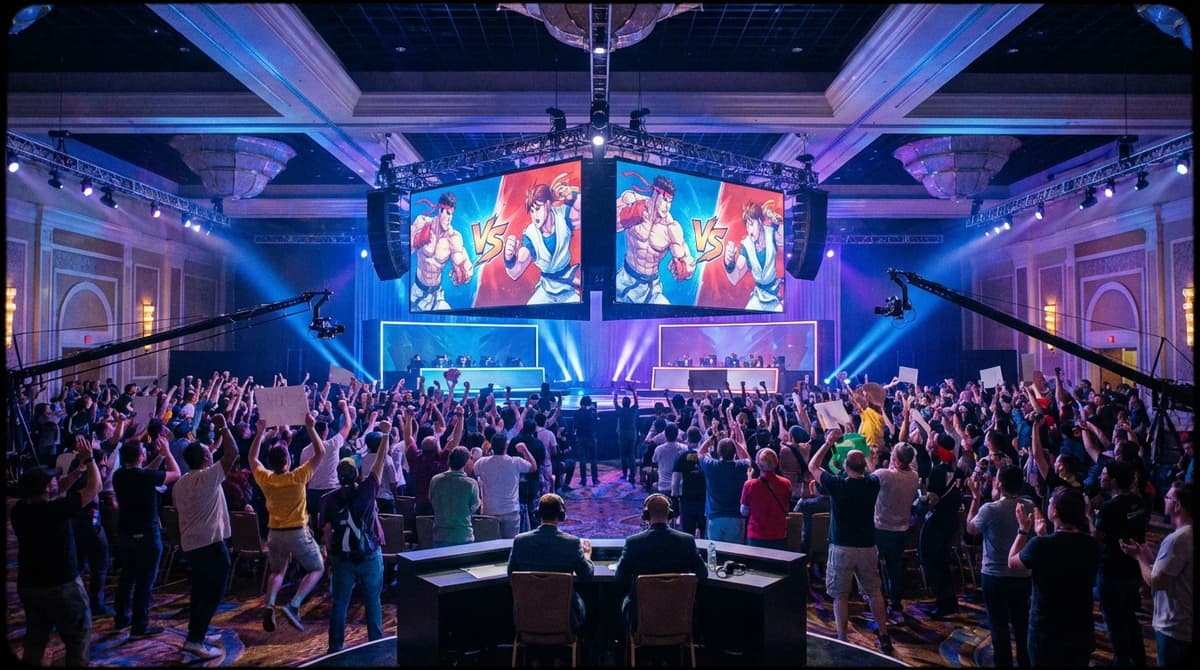
This matters because EVO has always been more than a tournament – it’s the biggest annual stage for fighting games and a hub for the community’s culture. When control of that stage moves into the hands of RTS, now fully owned by Saudi-backed Qiddiya, the shift isn’t just corporate bookkeeping. It makes EVO effectively linked to Saudi state-backed money, and a large portion of the fighting game community is reacting with distrust and anger.
- Qiddiya – backed by Saudi Arabia’s sovereign wealth apparatus — completed its purchase of RTS, which now holds sole ownership of EVO.
- Nodwin Gaming has exited as co-owner but will still assist with marketing and provide some leadership continuity.
- Players, creators, and grassroots organizers are publicly skeptical or pledging boycotts over human-rights and inclusivity concerns, citing Saudi policies and past platform exclusions like Smash’s 2022 absence.
What actually happened?
RTS — the talent-management and brand company that came into the EVO picture a few years ago — has been bought outright by Qiddiya Investment Company, the Saudi development arm tied into the Public Investment Fund. That converts Qiddiya’s prior strategic investment into full ownership of the company that owns EVO. Nodwin Gaming, which had been a co-owner, has exited the ownership structure; reports say Nodwin will stick around for marketing work and some leadership continuity, but ultimate control is now with RTS and its Saudi backers.
RTS CEO Stuart Saw released a statement promising to “continue investing in the things that matter to our community” and to “elevate and empower members of the FGC,” language intended to soothe nerves but doing little to quiet deeper anxieties.
Why the FGC is reacting so strongly
There are three overlapping reasons for the backlash. First, Saudi state-affiliated investments — especially when linked to the PIF — carry baggage because of well-documented human-rights concerns. Second, EVO’s identity is rooted in grassroots culture, queer inclusion, and the idea that anyone can show up and be part of a global moment; critics worry about whether that culture can be preserved under state-linked funding. Third, there’s precedent: platform politics have shaped EVO before. Nintendo pulled Super Smash Bros. from EVO 2022 after Sony assumed a role in the event’s ownership, reminding the community that corporate or political entanglements can directly affect what games make the marquee.
That mix has led to vocal calls on social platforms and from some high-profile community figures for boycotts or for players to return attention to local tournaments — the “locals” many are now championing as safer, community-owned spaces.
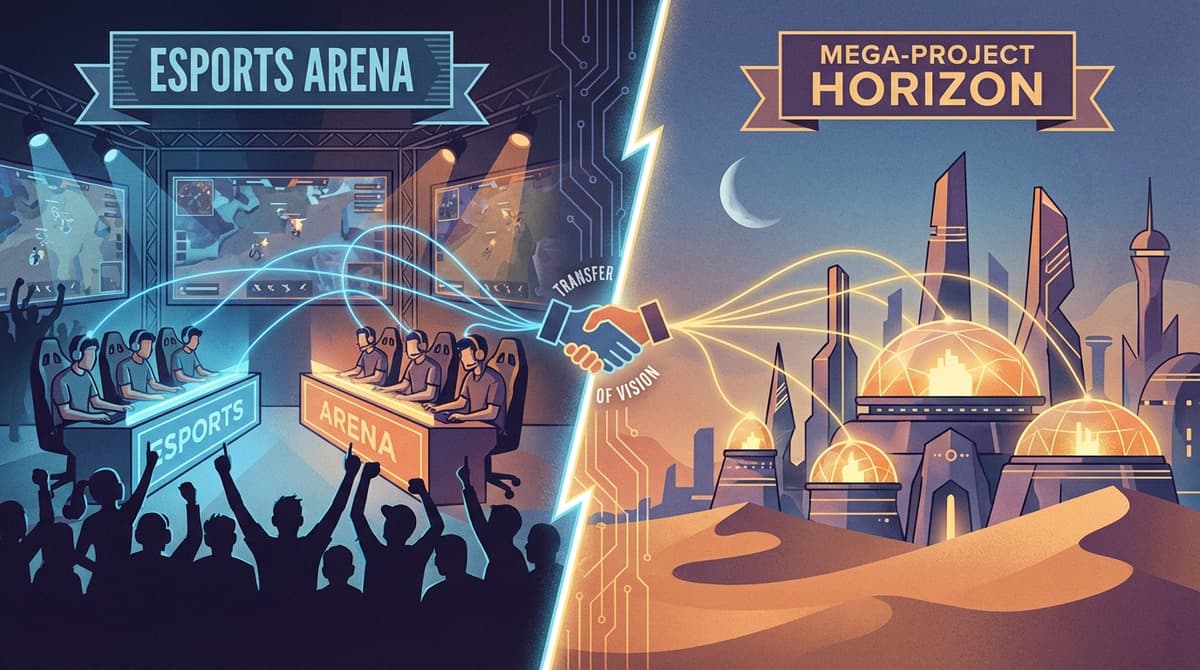
RTS promises continuity. The community wants guarantees.
RTS and Evo organizers are publicly promising that “traditions, values, and identity will remain unchanged” and that major events will continue internationally. Promises can help, but they’re not guarantees. The FGC’s trust was already frayed by the 2021-22 ownership shuffle and by instances where corporate interests led to Smash’s exclusion. For many, the new ownership raises practical concerns — will travel and safety policies change? Will certain communities feel unwelcome or unsafe attending? Will corporate priorities push out grassroots content in favor of spectacle?
What this means for players and organizers
Expect continued public scrutiny and possible boycotts from creators and players who prioritize human-rights principles or who simply won’t attend events with perceived state-linked control. Organizers and grassroots communities should prepare for an influx of players opting to put energy back into local circuits. Publishers and broadcasters will face pressure to state their positions clearly — and some may opt to distance themselves if the reputational risk outweighs the benefits.
For casual fans, it may feel like a long-term erosion of trust. For competitive players, it could mean tough decisions about where they’ll play and which events they’ll support with their time and brand.
TL;DR — The real takeaway
EVO’s new ownership structure turns the event into something effectively controlled by Saudi-backed interests via RTS and Qiddiya. That change isn’t just corporate; it hits at community values around inclusivity and independence. RTS’s promises to preserve EVO’s identity will be judged against actions — not words — and the FGC is already mobilizing to protect grassroots spaces and push organizers for transparency.
FinalBoss // Gear
Level up your setup
01Top-rated gaming headsetson Amazon→02High-refresh gaming monitorson Amazon→03Gaming chairson Amazon→04Discounted game keyson Kinguin→Affiliate links · As an Amazon Associate, FinalBoss earns from qualifying purchases.
Want to Level Up Your Gaming?
Get access to exclusive strategies, hidden tips, and pro-level insights that we don't share publicly.
Ultimate Gaming Strategy Guide + Weekly Pro Tips