
Evo’s sale to Qiddiya-backed RTS closed — and the FGC is on edge
Table of Contents (8)
Why this matters to fighters right now
I care about Evo because it’s where scrappy arcades met global esports — and that history is exactly what people fear is at stake. On February 17, 2026, RTS (now backed by Qiddiya) closed the acquisition of Evo. Evo and RTS have promised continuity: key executives like RTS CEO Stuart Saw will remain involved and organizers say “traditions, values, and identity” will remain intact. But a large chunk of the fighting game community (FGC — shorthand for the players, creators, and grassroots organizers around competitive fighting games) isn’t convinced.
Quick context: Qiddiya is a Saudi development linked to the Public Investment Fund (PIF), Saudi Arabia’s sovereign wealth fund. Qiddiya has an ambitious Gaming & Esports District project — a very large venue development that the new ownership explicitly ties Evo to. That connection is central to why many fans are uneasy.
Key takeaways
- Ownership: RTS (with Qiddiya/PIF backing) now controls Evo; acquisition closed Feb 17, 2026.
- Short-term continuity: Evo says formats, registration systems, and the 2026 stops (Tokyo, Las Vegas, Nice) will continue as planned.
- Community reaction: Widespread distrust, creator/player boycotts, and renewed “sportswashing” accusations are shaping perceptions.
Breaking down the sale — what actually changed
The short version: over 2025 a messy chain of ownership shuffled around — Sony exited, NODWIN briefly entered and then stepped back, and RTS consolidated control. The decisive move came when RTS, now linked to Qiddiya and ultimately the PIF, closed the purchase on Feb 17, 2026. Evo and RTS released public statements promising no immediate changes to open brackets, event flow, registration, or competitive formats. NODWIN is no longer an owner but reportedly continues as a production and marketing partner.
Those are meaningful commitments — they keep the competitive pipeline intact for the moment. But ownership is now tied to a state-led entertainment strategy, and that broad context matters more than the fine print on today’s press release.
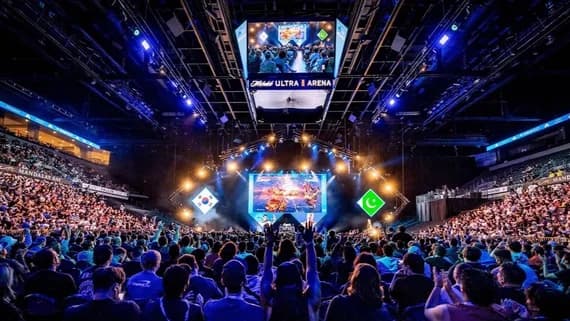
Why the FGC is skeptical
Critics point to two things. First, money matters and the chain of funding now leads back to Saudi Arabia’s PIF. Many in the community raise human-rights concerns and accuse large-scale investments of “sportswashing” — using sports and entertainment to polish a country’s image. Second, Evo’s cultural value has always been grassroots credibility: a place where underdogs and arcade kids could get stage time. Fans fear corporate or state influence could nudge Evo toward franchise-friendly titles, broadcast-optimized formats, or behind-the-scenes commercial deals that leave the community out.
There’s also historical memory here. People remember Smash’s contested absence from certain events and other past gating decisions, which feeds anxiety that commercial decisions could influence which games get stage time or which creators get spotlighted.
What this actually changes for players and viewers
For now, not much in day-to-day logistics: Evo lists Tokyo, Las Vegas, and Nice as 2026 stops, and organizers say prize pools, broadcast plans, and registration processes won’t be altered. Those statements preserve the competitive calendar and let players plan. But the subtler changes to watch for include deeper sponsor integrations, potential showcases hosted in Saudi venues, and partnerships with Qiddiya’s Gaming & Esports District (a large development project linked to Vision 2030). Those shifts may not be immediately obvious to players, but they can change incentives over time.
What to watch next
- Do boycotts scale beyond a few high-profile tweets? If top players or teams skip Evo Japan, that’s a real test.
- Will game inclusion and format decisions shift once Qiddiya exerts influence? Keep an eye on announcement language and selection criteria.
- Will developers, especially Nintendo regarding Super Smash Bros., publicly respond to community pressure?
- Are there visible integrations with Qiddiya’s esports infrastructure — or will Evo remain operationally separate? Public partnerships and venue announcements will be telling.
In short: cash can make Evo bigger and more polished. Bigger prize pools, better production, and global slots are potential upsides. But the risk is that too much top-down influence hollows out the grassroots credibility that made Evo valuable in the first place. Those are genuine trade-offs that creators and players are rightly debating.
TL;DR
RTS, backed by Qiddiya/PIF, now owns Evo and vows continuity. 2026 events in Tokyo, Las Vegas, and Nice remain scheduled, but community boycotts and “sportswashing” concerns mean Evo’s credibility will be tested well before any new stadiums or prize checks appear.
Conclusion
The ownership change is real, and the immediate logistics look unchanged — but trust is the fragile asset at stake. If Evo’s new backers respect the grassroots DNA that built the event, the community may accept larger-scale investment; if not, boycotts and reputation damage could undercut the gains. For now, players and organizers will be watching every announcement closely.
FinalBoss // Gear
Level up your setup
01Top-rated gaming headsetson Amazon→02High-refresh gaming monitorson Amazon→03Gaming chairson Amazon→04Discounted game keyson Kinguin→Affiliate links · As an Amazon Associate, FinalBoss earns from qualifying purchases.
Want to Level Up Your Gaming?
Get access to exclusive strategies, hidden tips, and pro-level insights that we don't share publicly.
Ultimate Gaming Strategy Guide + Weekly Pro Tips