
Table of Contents (6)
Why Highguard actually matters for competitive shooter fans
Highguard isn’t just another free-to-play shooter: it’s a deliberate pivot from the mech-heavy, sci-fi roots of Titanfall and Apex Legends into a high-fantasy raid shooter that pairs Titanfall-style movement with objective-first raids. That matters because the team behind it-61 former Respawn developers-are trying to give players an alternative to battle royale fatigue and straightforward deathmatch loops by blending mounts, magic, destructible sets and hero abilities into short, focused PvP raids. Launch is set for January 26, 2026 on PC, PS5 and Xbox Series X|S, so the buzz you’re seeing now actually has a deadline.
- Core pitch: raid-focused PvP where squads seize a powerful objective (the Shieldbreaker) inside destructible environments.
- Movement pedigree: expect slide-jump-wallrun fluidity, now with spectral mounts and fantasy abilities layered on top.
- Free-to-play warning: cosmetics and seasonal live-service systems will likely shape long-term balance and progression.
Breaking down the gameplay: raid shooter, not another hero shooter clone
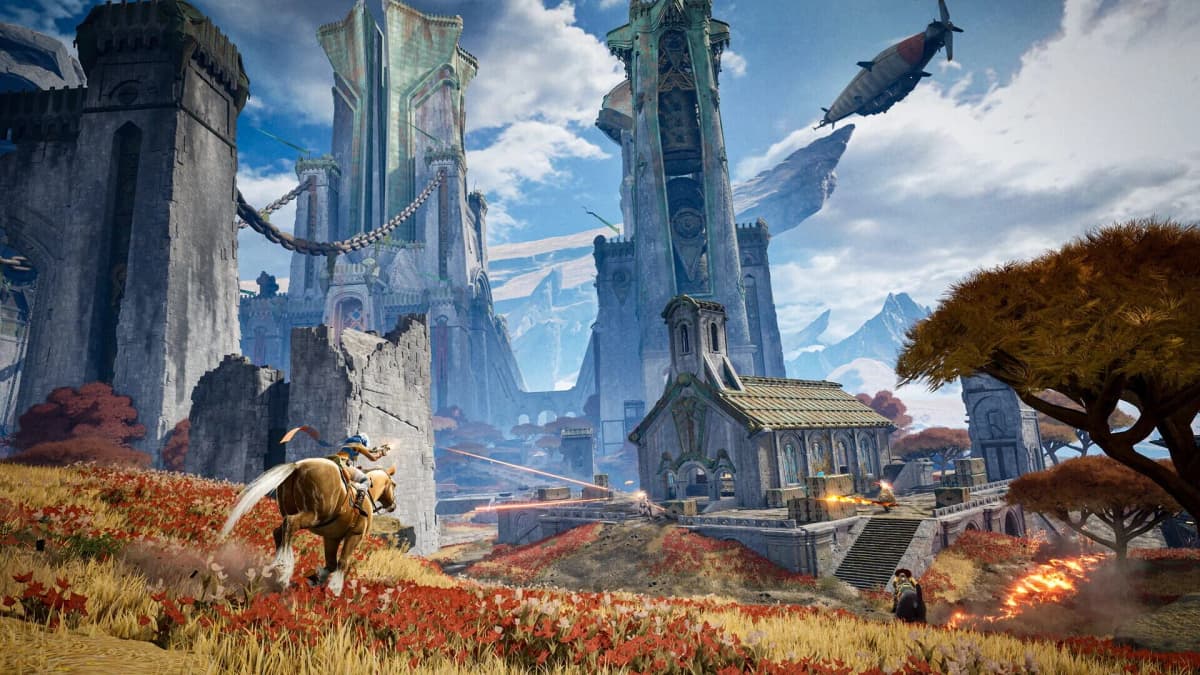
Trailers show 12-16 player raid clashes where “Wardens”-customizable arcane heroes—push into strongholds, summon giant cat-headed tanks and use mount dashes to flank or disengage. Matches look engineered for objective completion over kill counts: expect payload-like escorts, capture phases and high-value boss summons that can turn a round. Maps are big but not sprawling; the point is coordinated raids that last roughly 10-15 minutes, not 30-minute attrition fights.
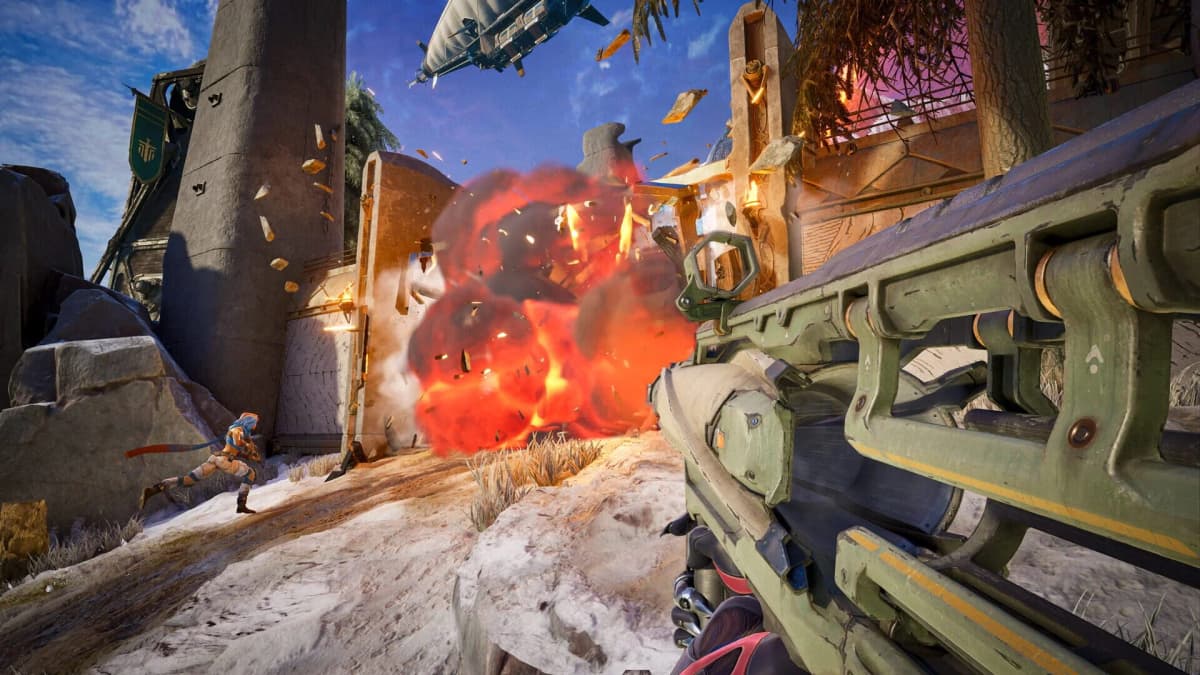
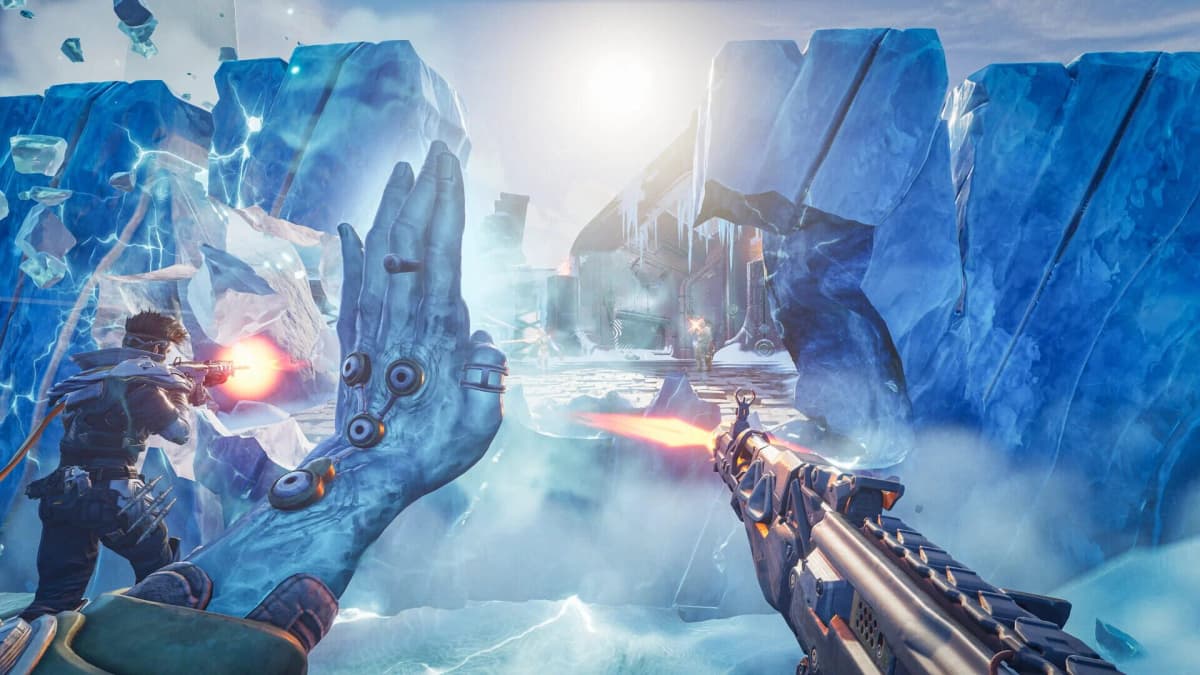
What caught my eye is how the team repackages Titanfall DNA: the same momentum-based movement, wall-running and air control appear intact, but now you can chain a double-jump into a mount surge or land an ability that erects an ice wall to deny a choke. Destructible environments are being pushed as a mechanical feature—shoot a bridge, change the raid path—and that has real potential to make objectives feel dynamic instead of scripted.
Developer pedigree: why 61 ex-Respawn devs matters—and why to be skeptical
Seeing veterans from Titanfall 2 and Apex Legends is the headline reason to trust Highguard’s movement and ability design. These developers helped make some of the smoothest shooter traversal and tight ability interactions of the last decade. That said, pedigree doesn’t guarantee everything: netcode, matchmaking, and how monetization affects balance will make or break the live service. The studio’s “fully funded” status is promising, but free-to-play models nearly always influence design choices—expect a cosmetics-first economy and seasonal content drives.
Why now: market timing and player appetite
There’s a hunger for games that combine competitive depth with shorter, objective-driven sessions. Battle royale churn and hero-shooter bloat have left an opening for something that feels fast, skillful and cooperative. Highguard slots into the post-holiday lull in January 2026 when players are deciding what series to follow in the new year—smart timing if it nails matchmaking and cross-play.
What gamers should do before Jan 26
- Wishlist on Steam/PSN/Xbox and watch for closed playtests—early invite windows typically favor wishlisters.
- Practice momentum mechanics in Apex Legends and Titanfall 2 to build muscle memory for slide-jump-wallrun chains.
- Sharpen objective play in Overwatch 2’s payload modes and The Finals for destructible-set tactics.
- Keep expectations measured: free-to-play means a live economy; test progression pacing in betas before committing.
Community and esports potential looks real—ex-Pro players are already teasing interest—but competitive longevity depends on transparent balance patches and how monetization is handled. If mounts or core abilities become pay-to-accelerate, the game could fragment fast; if cosmetics and seasonal maps fund development without touching core power curves, Highguard could carve a healthy niche.
TL;DR — should you care?
Yes, if you crave fast, team-first PvP with high-skill movement and dynamic maps. Highguard’s mix of Titanfall movement DNA, fantasy mounts and raid objectives is a fresh take; the real test will be netcode, matchmaking and whether the free-to-play economy nudges design toward fairness or faucet-based friction. Wishlist it, play the beta if you can, and judge the live game by how it handles balance after launch—not by a flashy trailer.
FinalBoss // Gear
Level up your setup
01Top-rated gaming headsetson Amazon→02High-refresh gaming monitorson Amazon→03Gaming chairson Amazon→04Discounted game keyson Kinguin→Affiliate links · As an Amazon Associate, FinalBoss earns from qualifying purchases.
Want to Level Up Your Gaming?
Get access to exclusive strategies, hidden tips, and pro-level insights that we don't share publicly.
Ultimate Gaming Strategy Guide + Weekly Pro Tips