
EXE ARENA mixes real-time card combat with NFTs — bold or busted?
Game intel
EXE ARENA
Why EXE ARENA Caught My Eye (and Raised an Eyebrow)
Bountykinds Solutions just announced EXE ARENA, a blockchain-powered mobile game blending strategic card battles with real-time action, aiming for iOS and Android in 2026 with a showing at Tokyo Game Show 2025. On paper, that mash-up can work-Capcom’s Teppen showed how timing-based card combat can feel tense and skillful, and One Step From Eden proved deck-building can play nicely with real-time chaos. Throw in world and character design supervision from Yukio Nakatani (credits include Final Fantasy VII, VIII, and Chrono Trigger) and you’ve got my attention.
But this isn’t just a game announcement. It’s NFTs, gacha progression, tournaments with blockchain rewards, and even a planned spectator betting system. That cocktail can be exciting-or a minefield. Here’s the gamer’s read on what matters.
Key Takeaways
- Real-time card combat could be legit if it lands closer to Teppen’s skill ceiling than Clash Royale’s monetization pressure.
- Blockchain “ownership” sounds nice, but balance and server dependency still decide whether your cards actually matter-and keep value.
- Gacha + NFTs + betting is a volatile mix for mobile stores and regulators; execution and guardrails will make or break this.
- TGS 2025 will need to show a playable build with real counters to pay-to-win concerns, not just slick art and buzzwords.
Breaking Down the Announcement
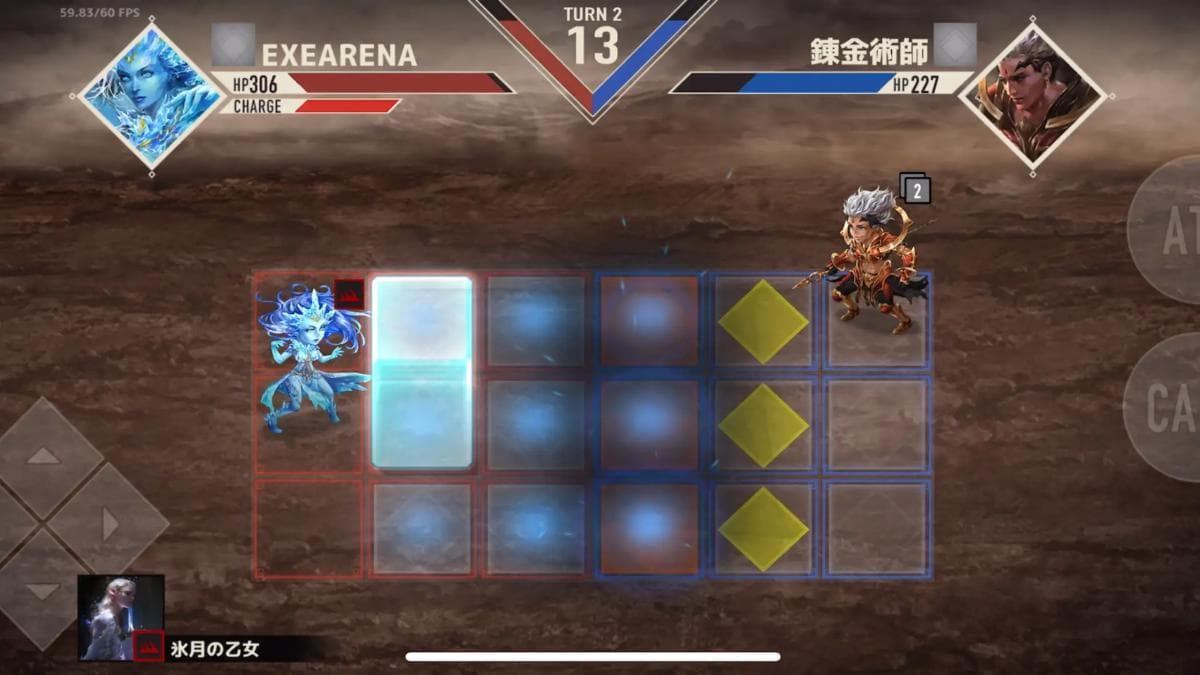
EXE ARENA promises “direct real-time controls” layered over deck-building, where card effects, placement, and timing decide matches. If that means frame-tight activations, counterplay windows, and consistent inputs, we could get a satisfying loop that rewards skill and adaptation. If it leans into stat bloat and auto-resolve chaos, it risks feeling like another background-battle mobile grind.
Nakatani’s involvement is a nice creative signal. Supervision on world and character design won’t make or break the combat system, but strong art direction and cohesive lore absolutely help card battlers stand out—look at how Legends of Runeterra sells moments through its animations and voice lines. If EXE ARENA can make its units and abilities instantly readable, the real-time layer becomes a strength instead of a confusion engine.
The Blockchain Angle: Ownership vs. Reality
The pitch: select cards live on a blockchain, meaning players “truly own” them and can trade externally. The reality: ownership is only valuable if the game remains live, balanced, and culturally relevant. We’ve seen NFT games rocket up and crash hard when economies outpaced gameplay. If EXE ARENA’s blockchain cards confer competitive power, expect an arms race that punishes new or free players. If they’re cosmetic or tournament-locked collectibles, that’s safer—but less exciting for speculators.
Mobile stores also complicate things. Apple and Google have both tightened rules around NFTs and off-platform purchases. If EXE ARENA relies on external marketplaces, there will be hoops: wallets, KYC checks, region restrictions, and potentially higher fees. None of that is insurmountable, but it adds friction to a platform that lives and dies by convenience.
Monetization Math: Gacha, Progression, and Fairness
The daily loop is clear: win matches, earn gacha tickets, roll for new cards, strengthen your deck, repeat. That loop can be addictive and fair if the game caps duplicates, features robust pity and crafting systems, and ensures a competitive baseline with starter decks. Marvel Snap, for instance, earns trust by keeping matches snappy and the stakes low while you climb.
Add NFTs on top, and the risk is power-creep scarcity—where the most impactful cards are also the rarest and most tradable. If Bountykinds wants a serious esports scene, it needs airtight balance, non-predatory drop rates, and a clear separation between collectible value and competitive viability. No one wants to lose to a whale’s wallet or watch metas turn on a lootbox.
Want to Level Up Your Gaming?
Get access to exclusive strategies, hidden tips, and pro-level insights that we don't share publicly.
Ultimate Gaming Strategy Guide + Weekly Pro Tips
Tournaments and the Betting Plan: Proceed with Caution
Post-launch tournaments with gift vouchers and limited NFT cards sound like standard play-to-win-glory fare. The spicy bit is the planned spectator betting system. Betting is engagement rocket fuel—but it’s also a regulatory magnet. App stores are picky about gambling features, and different countries (including Japan) have strict rules around wagering and digital assets.
If betting is on the roadmap, the team will need age-gating, regional controls, anti-fraud tools, and crystal-clear odds disclosures. We’ve seen what happens when gray markets flourish around competitive games (remember the CS:GO skins fiasco). If EXE ARENA can instead lean into sanctioned, transparent systems—think fantasy-style pick’ems with capped rewards—it might capture the hype without the legal hangover.
What to Watch at TGS 2025
TGS will be the first stress test. I want to see:
- Hands-on matches with readable UI, responsive controls, and meaningful counterplay—not autoplay highlights.
- A starter deck proving free players can compete within a reasonable grind.
- A straight answer on what blockchain cards actually do in ranked play.
- Concrete safeguards for gacha (pity, duplicate protection, crafting) and a draft or limited mode to level the field.
- Any sign the betting feature can launch compliantly on mobile, or if it’s destined for web-only.
Producer Yuta Matsubayashi’s esports background is promising; a competitive-first mindset could keep the design honest. But intent isn’t impact. The build on the show floor—and the monetization specifics—will tell us whether EXE ARENA is chasing a trend or carving its own lane.
TL;DR
EXE ARENA could be a slick real-time card battler with style and skill expression, but stacking gacha, NFTs, and betting is a high-wire act. If Bountykinds nails fair progression and competitive integrity, this might be one to watch in 2026. If not, it’ll be another web3 curiosity that burns hot and fades fast.