
Exodus’ studio boss steps back right after The Game Awards — why gamers should pay attention
Game intel
Exodus
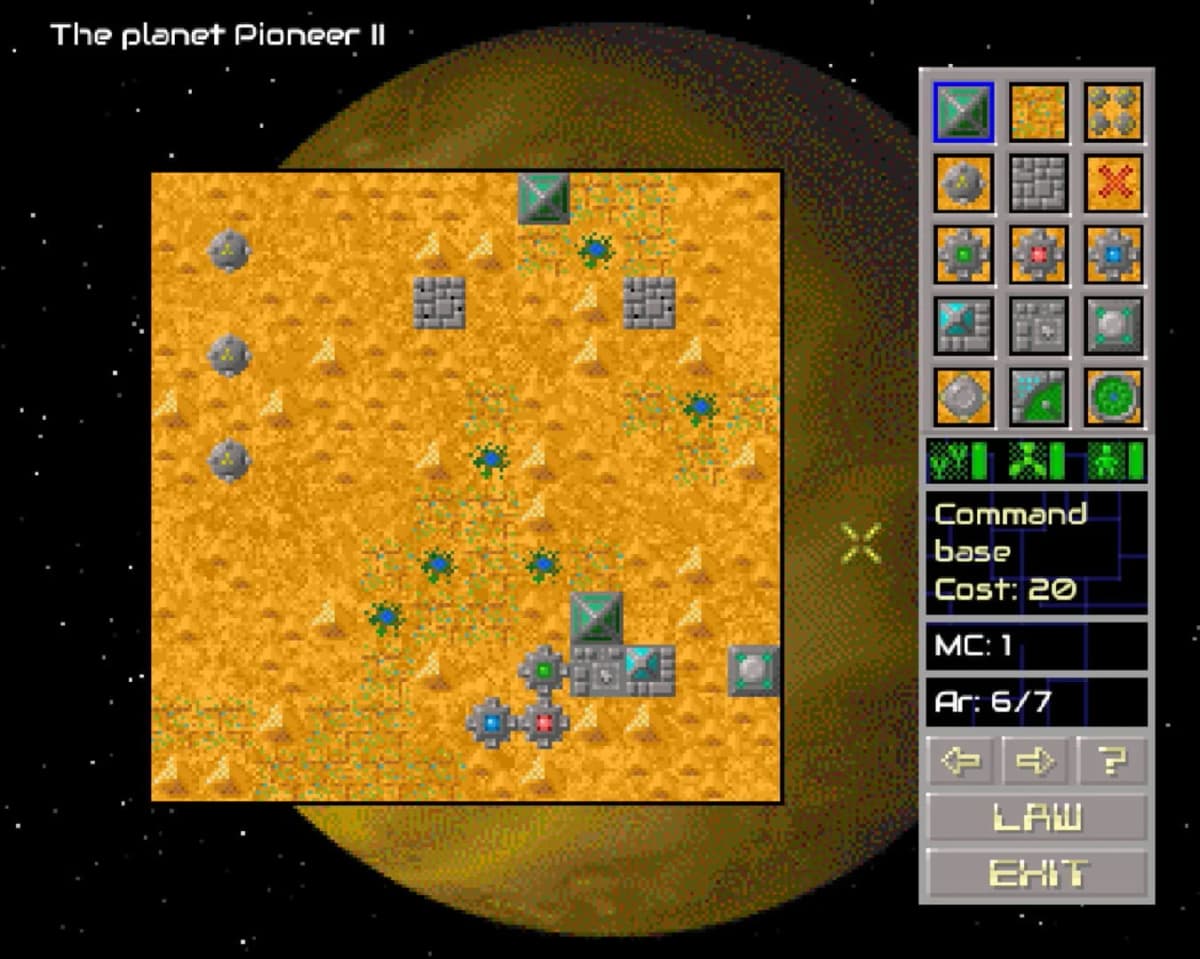
Exodus is a retro galaxy colonization strategy game. In this re-release from a 1990s game with several enhancements and new features, you arrive at a foreign g…
Why this shift matters for players – and why it grabbed my attention
James Ohlen’s move out of the day‑to‑day head role at Archetype Entertainment, just days after Exodus’ splashy trailer at The Game Awards, is the kind of leadership change that actually affects what players get on release day. This caught my attention because Ohlen’s name isn’t just a credit line-he’s the designer whose BioWare era work shaped the expectations for story‑driven sci‑fi and RPG systems. When a studio shifts its creative lead at a high‑visibility moment, it changes the probability curve for launch stability, narrative consistency, and long‑term live support.
- Key takeaway: Ohlen is moving to a tabletop creative consultant role; Archetype will finish Exodus with existing leadership.
- Corporate shift: Hasbro/Wizards hired former Blizzard exec Paul Della Bitta to run wider video‑game ops, signaling centralization and scale.
- Practical impact: Exodus remains slated for early 2027, but the timing increases the need for cautious optimism about schedule and design continuity.
Breaking down the move
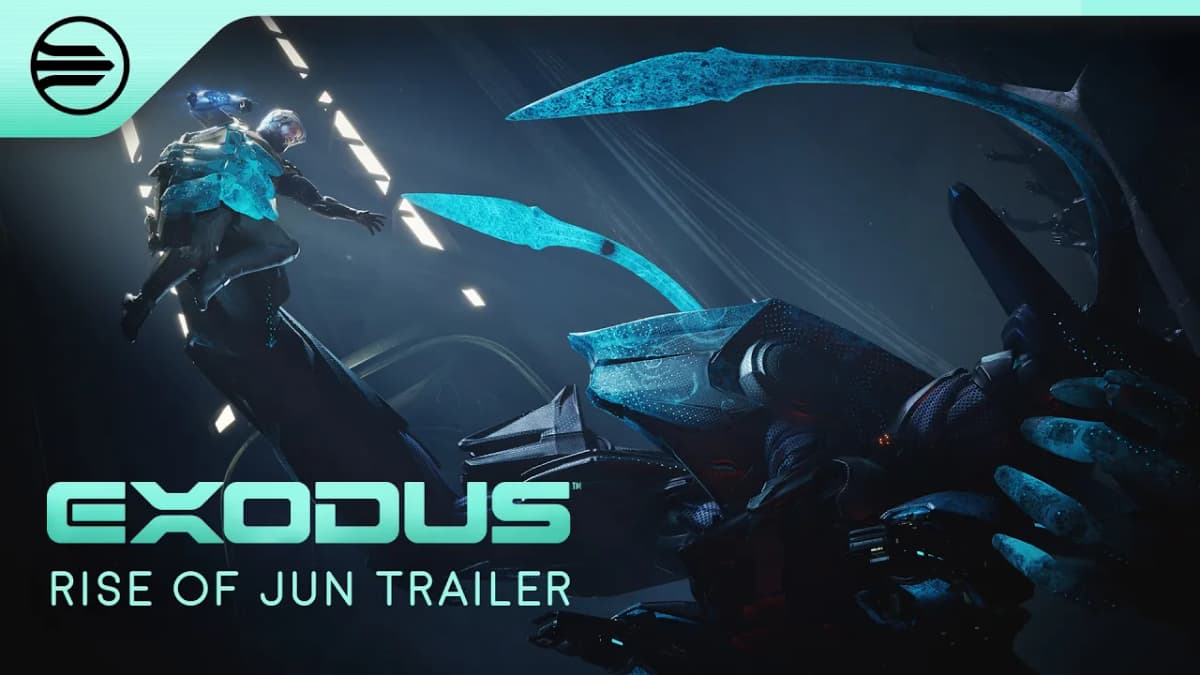
Archetype premiered Exodus at The Game Awards in December, offering the industry the first broad look at its sci‑fi ambitions. A few days later, company statements explained Ohlen asked to “shift his creative focus” toward tabletop work and would stay on as a consultant while Paul Della Bitta was hired to lead Wizards’ Digital Ventures – a centralized video‑game division. The public framing is clean: Ohlen’s job is done on the creative blueprint, and the studio now needs operational leadership to drive polishing, QA, and launch logistics.
That narrative fits a familiar pattern: founders move into advisory roles as projects enter late production. But for a narrative RPG where authorial fingerprint matters, the nuance is important. Ohlen’s influence on story structure and systems is a selling point for Exodus; the day‑to‑day handoff does open room for tone shifts, systems retuning, or prioritization changes during the polish phase.
What gamers should expect
First, release risk increases slightly even when companies maintain a public schedule. A major trailer followed by leadership change adds uncertainty between now and early 2027. Second, creative continuity is the real watchpoint: Ohlen remains attached as a consultant, but final dialog, quest structure, and pacing often come down to the people executing through late‑stage iterations.

Third, hiring Della Bitta — who has Blizzard and Dreamhaven experience — signals Hasbro is professionalizing live ops and scaling ambitions. That’s usually good for post‑launch stability, but it also raises reasonable questions about monetization frameworks and how tightly corporate structures will shape future updates. Expect clearer live‑service roadmaps and heavier operational oversight than a small indie studio would show.
Industry context — this is part of a larger trend
Publishers that want multiple big releases often centralize leadership to reduce risk and coordinate marketing, live ops, and platform deals. Hasbro’s move resembles patterns we’ve seen at other legacy IP owners trying to scale: add seasoned operators to run the business while creatives step into advisory roles. It stabilizes pipelines but can compress creative latitude, which matters for single‑player narrative games.
Want to Level Up Your Gaming?
Get access to exclusive strategies, hidden tips, and pro-level insights that we don't share publicly.
Ultimate Gaming Strategy Guide + Weekly Pro Tips
Practical steps for players and community members
- Monitor Archetype and Wizards’ official dev diaries and press pages for concrete staffing and roadmap updates.
- Delay non‑refundable preorders until post‑launch patches and early reviews confirm stability and design fidelity.
- Watch credits and announced leads in upcoming dev updates to verify which writers and systems designers remain attached.
- For streamers and press, stagger coverage plans and secure review builds with enough lead time to absorb last‑minute changes.
TL;DR
James Ohlen stepping back is notable because his name sells a certain RPG pedigree; his consultancy role softens the blow, but the timing—right after a big trailer—raises legitimate questions about schedule and creative continuity. Hasbro’s hire of Paul Della Bitta suggests a push toward scale and polished operations, which promises stronger live support but may steer the project toward tighter corporate oversight. Keep watching dev updates and credits, and treat preorders cautiously until the game’s late‑stage stability is verified.