
When a debut JRPG-inspired RPG from a new French studio ends up in the same sentence as Baldur’s Gate 3, something in the industry has shifted. BAFTA just named Clair Obscur: Expedition 33 its Best Game, sealing a rare “Big Five” Game of the Year sweep – and effectively turning Sandfall Interactive’s first release into the new prestige benchmark for single-player RPGs.
Table of Contents (7)
Key takeaways
- BAFTA’s Best Game win completes Expedition 33’s “Big Five” GOTY run, putting it in an elite club that previously only had Baldur’s Gate 3 in it.
- Sandfall Interactive not only took Best Game, but also Best Debut Game and a performance win for Jennifer English – this is a coronation of a studio, not just a title.
- The awards sweep signals what the industry’s top juries currently value in RPGs: turn-based combat, strong authorial voice, and character-driven writing over sandbox sprawl.
- When one game hoovers up every major GOTY, it turbocharges its status – but also raises questions about how much oxygen is left for weirder, smaller games in the awards ecosystem.
A French debut just joined the Baldur’s Gate 3 club
BAFTA’s 2026 Games Awards handed Clair Obscur: Expedition 33 three trophies: Best Game, Best Debut Game, and Performer in a Leading Role for Jennifer English’s motion-captured Maelle. On paper, that’s already a huge night for a studio shipping its first project.
The real headline, though, is what that BAFTA win unlocks. With this trophy, Expedition 33 has now taken top honors at all the big prestige shows: The Game Awards, D.I.C.E., the Game Developers Choice Awards, and BAFTA – plus at least one of the other “major” GOTY markers (Golden Joystick’s Ultimate GOTY or SXSW’s overall GOTY, depending on which definition of the “Big Five” you subscribe to).
Only one modern game has done anything comparable: Baldur’s Gate 3. That’s the level of consensus we’re talking about. Awards bodies with very different voting pools – critics, devs, industry orgs, public votes – all independently landed on the same answer to “What was the game of the year?”
For Sandfall, a studio that didn’t exist when Larian was still patching Divinity: Original Sin 2, this effectively speedruns the trajectory from “interesting newcomer” to “flagship RPG house.” Whatever they ship next doesn’t launch as a risky follow-up – it launches under the weight of expectation usually reserved for BioWare in its prime or FromSoft between Souls games.
The awards machine has decided what “Best Game” looks like right now
Look at what Expedition 33 actually is and you get a snapshot of where prestige taste has settled post–BG3 and post–Elden Ring. It’s not a live service, it’s not an open-world collectathon, and it’s not a 500-hour infinite treadmill. It’s a contained, turn-based RPG built in Unreal Engine 5 with a heavy JRPG influence and a very specific, melancholic aesthetic.
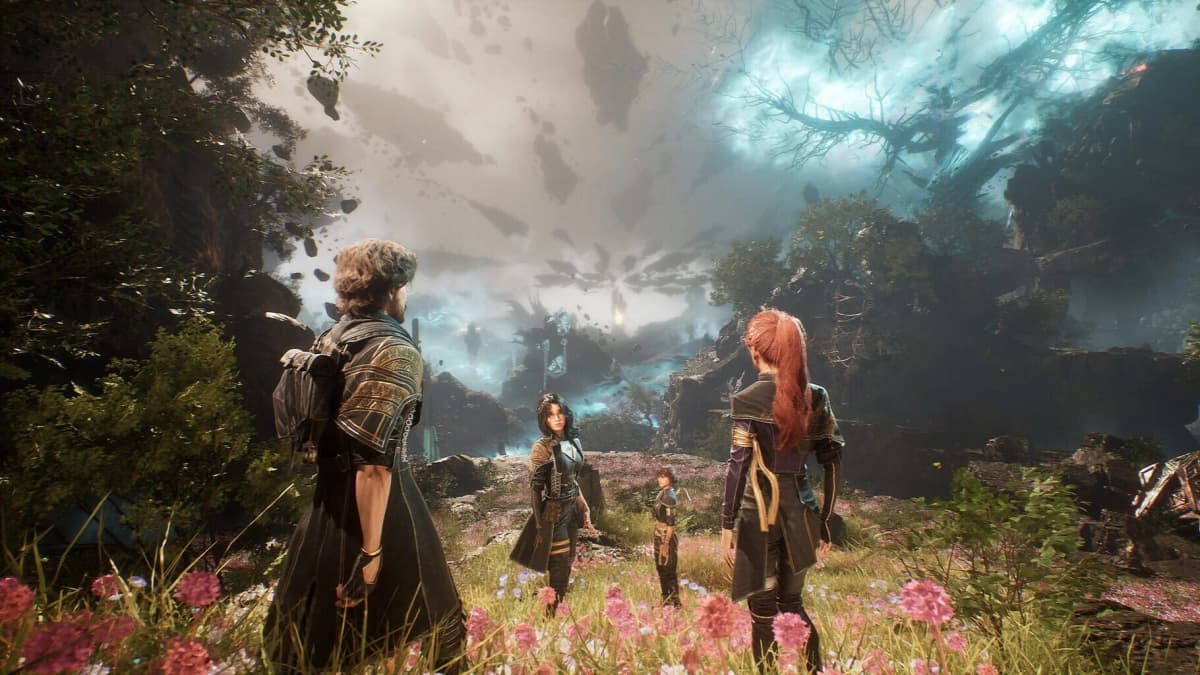
Across the shows that crowned it, the pattern is pretty clear:
- Turn-based, readable combat that still has tactical depth.
- Strong, authored narrative that actually goes somewhere instead of setting up the next season pass.
- Cohesive art direction and worldbuilding – not just tech flex, but a sense of place.
- Performance-led storytelling; BAFTA backing Jennifer English doubles down on that signal.
At D.I.C.E. Summit this year, Sandfall’s lead writer Jennifer Svedberg-Yen broke down their narrative approach as “taste, execution, and having something to say,” supported by curiosity, empathy, and logic. That “having something to say” part matters. Award juries are clearly rewarding games that feel like they mean something, not just look expensive.
This is the same current that pushed BG3 over the top: not just systems and scope, but a sense of moral and emotional texture. Expedition 33 is now the new reference point for that flavor of experience – especially if you’re pitching a story-heavy RPG to a publisher in 2026.
This win is about more than slick combat – it’s about authorship
Mechanically, Expedition 33 is polished, but it’s not doing anything you couldn’t describe in a sentence: stylish, timing-based turn-based battles, party composition, classic JRPG DNA with a modern sheen. That’s not meant as an insult – if anything, it’s the point.
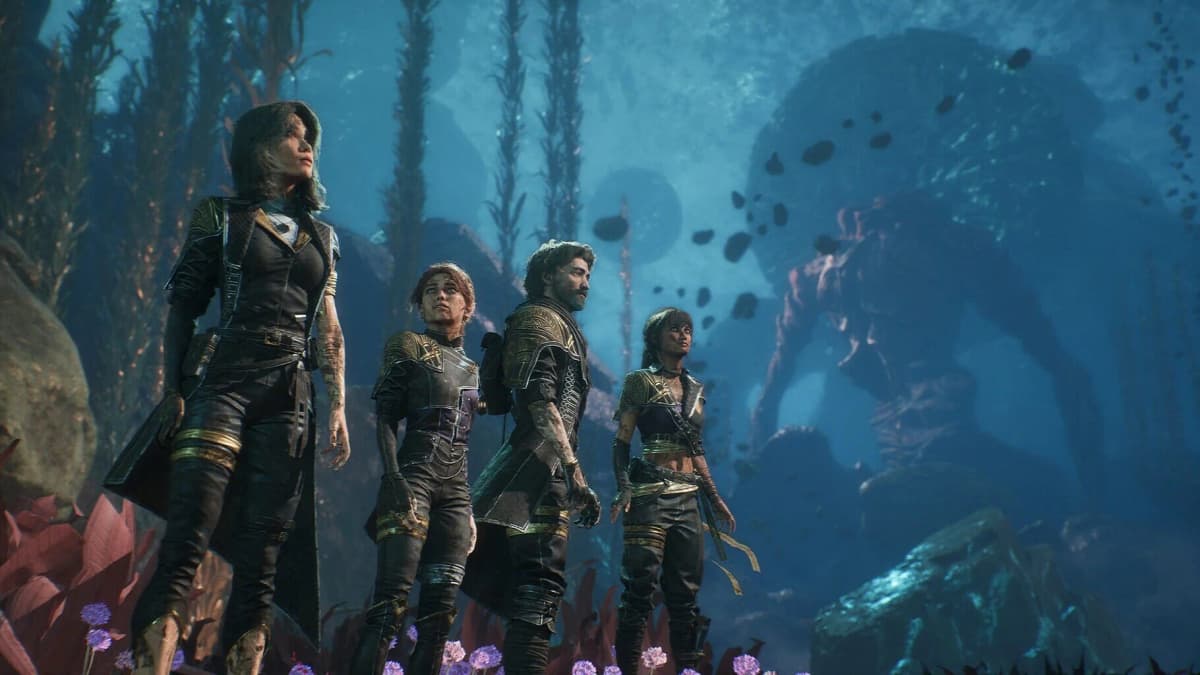
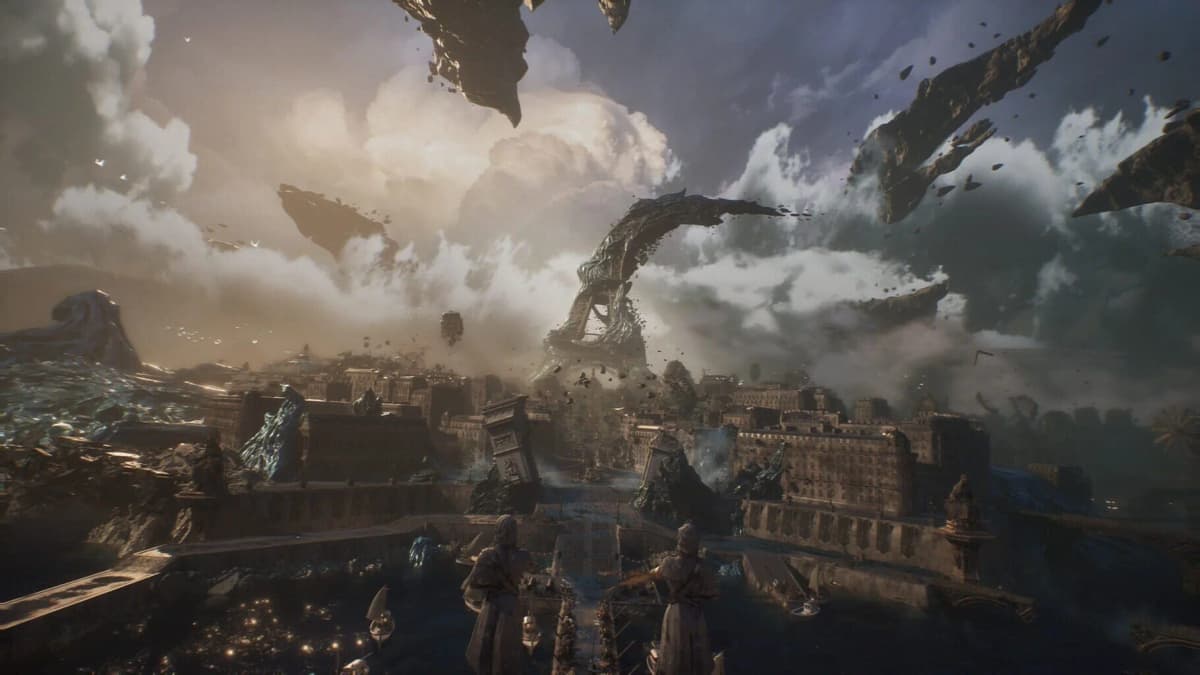
What pushed it into “Big Five” territory is the layer on top of that: the doomsday calendar conceit, the painterly Parisian-surrealist setting, the way the game’s structure leans into the idea of a doomed expedition ticking down towards an inevitable year. That specificity is what BAFTA just validated with its Best Game and Debut awards.
For the last decade, a lot of mid-budget RPGs have treated story as connective tissue between combat arenas. Sandfall flipped the ratio: the systems are in service of the story, not the other way around. From juries made up of other devs (D.I.C.E., GDC) to BAFTA’s broader industry panel, that approach clearly resonated.
If I had one question for the PR team right now, it would be this: How do you protect that authorial edge when the sequel money starts talking? Because a sweep like this all but guarantees a sequel, a transmedia push, and a lot of people who suddenly want the “Expedition 33 formula” replicated on schedule.
The uncomfortable side of a “Big Five” sweep
There’s a reason some critics groaned when BG3 kept winning everything: once one game becomes the consensus pick, everyone else ends up fighting for “best in genre” scraps. The same thing just happened again, only faster.
BAFTA at least spread things around a bit this year – games like Dispatch, Ghost of Yōtei, Atomfall and others picked up meaningful awards in narrative, music, and technical categories. The night wasn’t a total Expedition 33 lockout. But the top-line story, the one that will define this year in retrospectives and Steam sale banners, is that one game took the crown everywhere.
That’s great for Sandfall and Kepler Interactive. It’s less great for the dozens of inventive titles that now forever live in the shadow of “the year of Expedition 33.” Awards aren’t a zero-sum game for players – we can all play everything – but they absolutely are for visibility, funding, and the kinds of pitches that get greenlit.
We’ve effectively solidified a new canon of what a “serious” GOTY-contender RPG looks like: authored, party-based, turn-based, narratively heavy, visually bespoke. If you’re making something radically different – a short, sharp immersive sim, a systemic roguelike that doesn’t fit neat story arcs – good luck cracking that outer ring of prestige in the next couple of years.
What to watch next
- Sandfall’s follow-up announcement: Whatever they reveal next – whether it’s an Expedition 33 sequel or a new IP – will tell us if this studio leans into franchise building or uses its clout to get weirder.
- The “post-Expedition 33” pitch decks: Expect to start hearing phrases like “Expedition 33 meets <X>” from RPG pitches. Watch how many mid-sized studios suddenly sell themselves as narrative-first, turn-based experiences.
- Awards fatigue signals: If next year’s juries consciously avoid another monolithic sweep, that’ll be a sign the industry is getting self-conscious about over-consolidating its praise.
- Performance categories getting sharper: Jennifer English’s BAFTA and Game Awards wins back-to-back reinforce performance as a prestige lane. Expect more games to budget for strong casting and full-performance pipelines rather than pure VO.
TL;DR
Clair Obscur: Expedition 33 just took BAFTA’s Best Game award, completing a rare “Big Five” Game of the Year sweep that previously only Baldur’s Gate 3 had managed. That run, plus wins for Best Debut and Jennifer English’s lead performance, effectively anoints Sandfall Interactive as the new prestige RPG studio to watch. The win is a huge validation of narrative-led, turn-based design – and a reminder that when one game wins everything, it quietly reshapes what the industry thinks “GOTY material” is supposed to look like.
FinalBoss // Gear
Level up your setup
01Top-rated gaming headsetson Amazon→02High-refresh gaming monitorson Amazon→03Gaming chairson Amazon→04Discounted game keyson Kinguin→Affiliate links · As an Amazon Associate, FinalBoss earns from qualifying purchases.
Want to Level Up Your Gaming?
Get access to exclusive strategies, hidden tips, and pro-level insights that we don't share publicly.
Ultimate Gaming Strategy Guide + Weekly Pro Tips