
Table of Contents (11)
The moment Expedition 33 almost lost me
Somewhere around Lumière’s early districts, after yet another slow walk-and-talk and a trash mob fight that dragged on way too long, I did the thing I hate doing with games I was hyped for: I hovered over the uninstall button.
Clair Obscur: Expedition 33 had already swept The Game Awards, Twitter (sorry, “X”) was full of fan art, industry vets were calling it bold and visionary, and my timeline looked like a cult recruitment drive. Meanwhile I was three, maybe four hours in, thinking: Is this it?
Fights felt like wading through syrup. The first few levels were tight corridors pretending to be grand journeys. Loot drops were stingy to the point of parody. I’ve pushed through slow openings before – I survived the first ten hours of Final Fantasy XIII, I can suffer – but this one tested me.
Then I saw Cliff Bleszinski’s blunt take doing the rounds: “Expedition 33’s early levels are badly designed-pacing feels like wading through mud before the real genius kicks in.” He wasn’t wrong. But he followed it with something else: “Mind-blowingly impressive once you hit Act 2; the combat symphony and world-building are operatic.”
That was the push I needed. I stuck with it. And you know what? He was right on both counts. Expedition 33’s early game really is kind of bad. And it still ended up being my personal Game of the Year.
Cliff wasn’t being harsh – the early levels actually are badly designed
Let’s stop pretending otherwise: the first five levels of Expedition 33 feel like a different, much worse game than the one everyone is celebrating.
The corridors in Lumière’s opening stretch are cramped and old-school in all the wrong ways. You’re funneled through narrow paths, ambushed by tutorial-tier enemies, and buried under “stand here, listen to exposition” segments. It’s a bizarre choice for a game that later explodes into massive, painterly arenas and wild tactical freedom.
Industry folks have hinted at this from the start. Veteran designer Adrian Chmielarz called those early stages “kind of old school” and even admitted they’re “kind of badly designed,” noting how you can literally see the level design evolving as you progress. That tracks with my experience. The first few hours feel like vertical slice leftovers that never got properly modernized.
And it’s not just vibes – the systems pile on too. Before the recent patches, early XP gains were miserly. You’d slog through a full stretch of enemies and barely see your party move the needle. Gear drops were just as stingy. The game teases its gorgeous buildcraft and then starves you of the raw materials to actually play with it.
When Cliff says the pacing is like “wading through mud,” that’s not hyperbole. It’s the lived experience of a combat designer looking at a first act that doesn’t respect the player’s time. And as someone who cut their teeth optimizing routes in JRPGs on the PS2, I felt that pain in my bones.
The numbers don’t lie: Act 1 is bleeding players hard
What really cemented my annoyance is the data that’s come out since launch. Ampere Analysis telemetry suggests a brutal reality: around 42% of players drop off across levels 1–5. That’s nearly half the player base bailing before the game even shows them its best tricks.
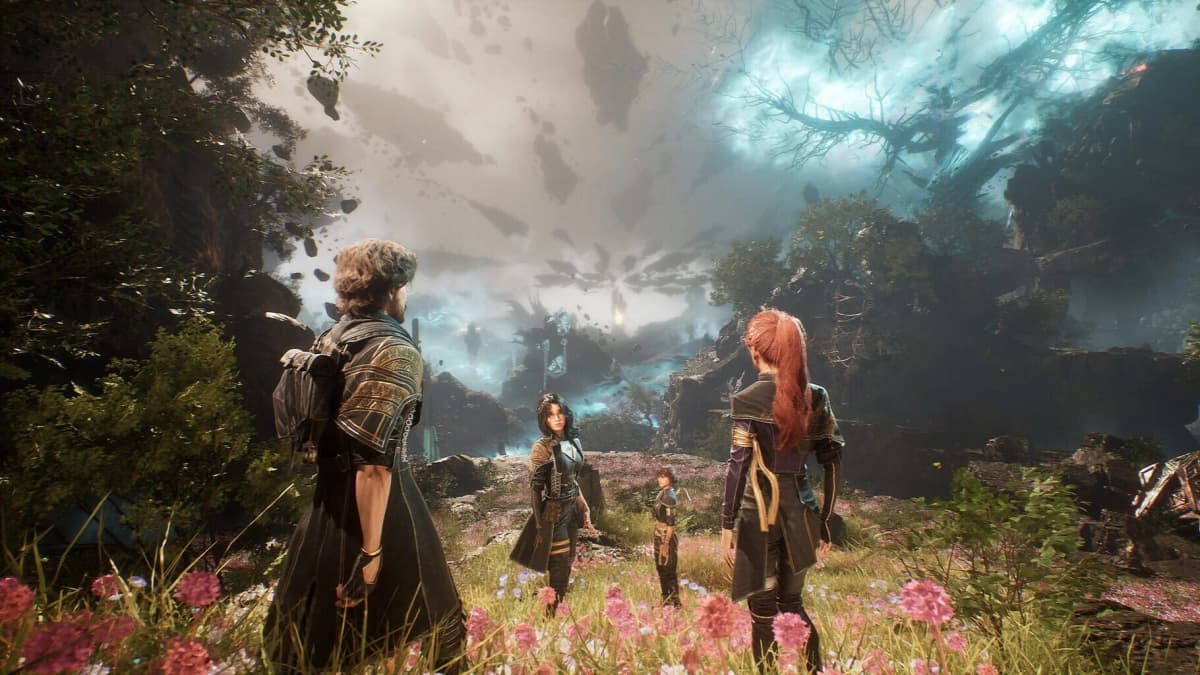
Steam data tells a similar story. Early on, if you filtered reviews to people with under ten hours played, you’d get something like ~82% positive. Still good, but not “era-defining masterpiece” territory. Look at reviews from players who stuck it out beyond that point, though, and suddenly you’re staring at ~96% positive. Same game, completely different verdict – purely based on whether you muscled through the muddy opening.
That disconnect is wild when you consider how successful the game has been anyway: 1,000,000+ units sold in three days, over 2,000,000 total, and peaking at around 50,000 concurrent players on Steam by December 2025. This thing is massive. It scooped nine awards out of 12 nominations at The Game Awards. Critics and developers are drooling over it.
But underneath all that noise is a very simple, very stupid problem: a huge chunk of people never get to the part everyone’s raving about, because the start doesn’t earn it.
To Sandfall’s credit, they’ve clearly seen the telemetry and reacted. Patch v1.3.2 hit with +25% early XP gains. v1.4.0 followed up with another +15% early drop rates. The “thank you” update didn’t just throw in new costumes and photo mode fluff – it quietly tried to bail water out of a sinking early-game boat.
And it helps. Playing now is less punishing than it was at launch. You level faster, you see systems sooner, you’re not stuck in purgatory with underpowered gear. But patches can only paper over so much. The structural issues are still there. The story and level pacing in Act 1 remain fundamentally off.
So why the hell do I still call it my Game of the Year?
Because once you get past that cursed early stretch, Expedition 33 stops playing it safe and turns into something genuinely special.
The turning point for me was the first full Gradient chain arena. Up until then, combat felt like a modern, timing-based riff on classic JRPG turn orders with some pretty animations layered on top. Fine, but nothing I’d evangelize over. Then the game gives you enough tools – gradient affinities, positional setups, timing windows – and a big, multi-phase fight that demands you weave them all together.
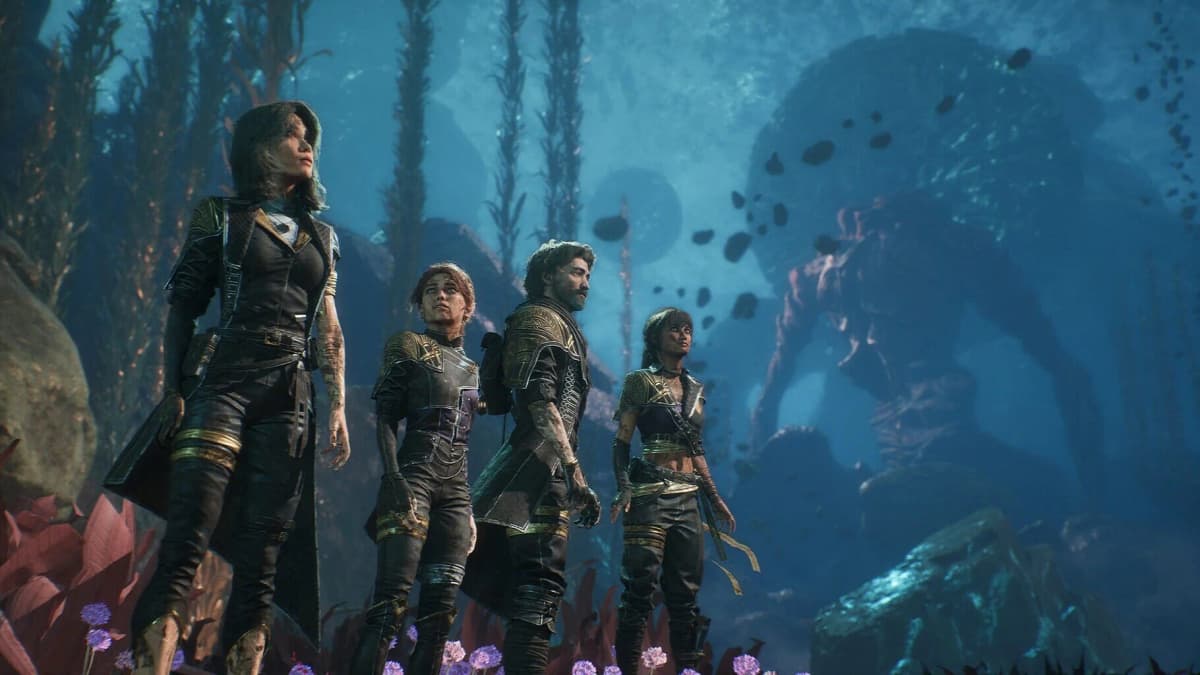
Suddenly, I wasn’t just “attacking” and “parrying.” I was painting routes across the battlefield. Chaining hues between enemies to set up massive shatter turns. Banking risk on delayed skills that would either save the party or wipe us completely. That’s the “combat symphony” Cliff was talking about, and he wasn’t exaggerating. It’s that rare system that feels both crunchy for min-maxers and readable enough for people who just want to feel clever.
Then the Picture worlds start opening up – those self-contained “painted” dungeons that twist the core rules just enough to feel like experiments from another, weirder game. Gravity-bent corridors, altered turn order, palette-restricted skill sets; each one is a little design lab where Sandfall clearly asked, “What if we broke our own rules just for this area?”
Add on top of that the Picto builds system, where your “build” is literally assembled as an evolving illustration. It’s such a smart, thematic way to represent stats and synergies that I’m annoyed more RPGs haven’t stolen it already. Once you’re swimming in pictos, rerouting traits, and watching your literal picture of the character shift to match your choices, you realize how much design density the game was hiding behind that rough onboarding.
By the time Act 2 fully hits, Expedition 33 stops feeling like “a pretty JRPG made by a small European studio” and starts feeling like a landmark – a game that finally nails this weird Euro–Japanese fusion people have been chasing since the PS3 days. The opera-house boss with the Gradient crescendo? The late-game Picture world where you fight through fragmented memories as actual level geometry? That’s the stuff that lives rent-free in my head months later.
Small team, huge ambition – and an onboarding mess
None of this happened in a vacuum. Sandfall Interactive is not some 500-person Ubisoft juggernaut. We’re talking about a 30-core team, supported by outsourcing partners like QLOC for QA, under the Kepler Interactive umbrella. That’s ambitious as hell for a game this big and this polished.
Creative director Guillaume Broche reportedly told his team, “Limitations fuel our best.” And you can feel that mindset all over the mid and late game. Reusing hub spaces in smart ways, squeezing absurd mileage out of animation sets, going all-in on highly stylized Picture worlds instead of trying to brute-force raw asset variety. It’s the same kind of constraint-driven creativity that made early Souls games and NieR: Automata so memorable.
But that same constraint mindset is probably why the early game is such a mess. When you’re a small studio trying to ship an RPG that can stand shoulder-to-shoulder with Square Enix and Atlus, you make trade-offs. Clearly, they bet on back-loaded spectacle and deep systems, and they sacrificed the first few hours to get there.
From an industry perspective, I weirdly respect that choice. From a player perspective, it sucks. We live in a world where you’ve got 20 other games on Game Pass, a mountain of Steam sale backlog, and two-hour refund windows staring at you. If your first impression is “this is fine,” you’re done.
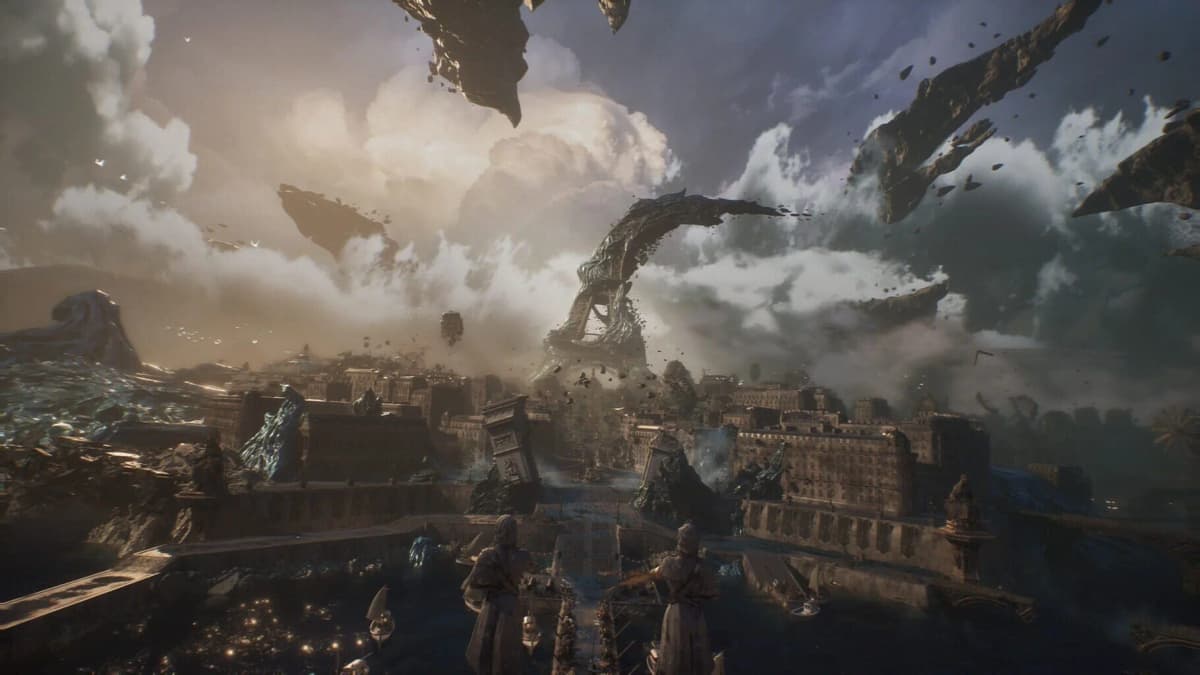
Expedition 33 is the rare game where I think the developers actually misjudged how much goodwill they’d have. The awards, the 2M+ sales, the 96% “long-term” review averages – all of that proves the vision landed. But that 42% early drop-off is the cost of shipping a game that needs you to trust it long before it proves it deserves that trust.
How to survive Act 1: a player playbook for the slog
So if you’re like I was – stuck in Lumière feeling vaguely disappointed – here’s the part where I stop ranting and actually help. Because Expedition 33 is worth pushing through, but you need to know how to tilt the odds in your favour.
1. Speed up everything you can
- Turn up battle speed in the options the moment you can. The default is glacial. Crank it right up; you still keep the timing-based parries, you just lose dead air.
- Fast-forward dialogue during the weaker early cutscenes. On consoles it’s usually the face buttons, on PC it’s mapped to a key (I rebound it to spacebar). You can still read everything, just without the dramatic pauses that drag scenes out.
- Switch to performance mode on PS5/Xbox. The 60fps upgrade does more for combat feel than any stat stick you’ll pick up in the first few hours.
2. Treat early fights as training, not tests
- Instead of trying to “win fast,” use every trash mob to practice parry timings. Once the game starts layering Gradient chains and Picture modifiers on top, that muscle memory is gold.
- Ignore min-maxing damage for a bit and stack survivability. The early gear drops (especially post-v1.4.0 with the +15% drop buff) are better used to keep you alive while you figure systems out.
- Don’t be afraid to drop the difficulty for the first boss. There’s no shame in bumping it back up once the systems properly open. Getting stuck on an early wall is the fastest route to uninstalling.
3. Prioritise these early Picto and Gradient unlocks
- Rush your first Gradient synergy node. The moment you can consistently chain hues between two party members, fights start feeling like Expedition 33 instead of Diet JRPG Lite.
- Focus on Picto traits that increase AP, turn order control, or cooldown manipulation. Raw damage can come later; tempo is king in this combat system.
- Use the early Picture world (you know the one) as a gear accelerator. With the buffed drop rates, it’s now the best way to break out of the undergeared slump.
4. Platform-specific sanity savers
- On PC (Steam/Game Pass):
- Turn on a frame cap that your rig can actually hit consistently; stutter in a timing-based RPG is death.
- Remap dodge/parry to something comfortable. I moved parry to a mouse button and my enjoyment flipped overnight.
- On PS5:
- Disable overly aggressive adaptive trigger resistance if it’s fatiguing you. Cool gimmick, not worth missing parries for.
- Use Activity Cards to jump back into key quests instead of aimlessly wandering the hub between sessions – it keeps momentum up.
- On Xbox / Game Pass:
- Commit up front: this is not a “play for 30 minutes and decide” game. Block out a solid 5–6 hour test run before you judge it.
- Cloud streaming is fine for story segments, but don’t judge combat on a laggy connection. The parry windows are too tight.
If you follow that basic playbook, the early game goes from “I’m suffering” to “Okay, I see where this might be going,” which is enough to carry you into the good stuff.
What Expedition 33 gets wrong – and why I still defend it
I’m not going to sugarcoat it: I think Sandfall screwed up their onboarding. In an era where studios obsess over the “first 30 minutes” because of refund policies and Twitch impressions, they somehow shipped a game where the first five hours are the weakest part.
But I’d rather a game take too long to become brilliant than one that front-loads spectacle and then coasts. So many “safe” AAA RPGs nail the tutorial, only to dissolve into checklist mush by hour 15. Expedition 33 does the opposite: it faceplants out of the gate, then claws its way to greatness through sheer mechanical and artistic ambition.
When I look back on my time with it, I don’t think about the sloggy walks through Lumière’s early alleys. I think about the first time a Gradient chain cleared an entire wave and the opera score crashed in like a tidal wave. I think about Picture worlds that bent my brain. I think about a story that actually stuck the landing instead of vanishing into lore soup.
So yeah, I’m absolutely going to call bullshit on the early design. Cliff Bleszinski was right to drag it, and the telemetry backs him up. But I’m also going to stand shoulder-to-shoulder with the devs and the players who stuck it out, because past that rough start is one of the boldest, most confident RPGs we’ve had in years.
If you bounced off Expedition 33 early, I don’t blame you. I almost did too. But if you still have it installed – or sitting there on Game Pass, judging you from the “Recently Added” row – it deserves a second chance. Not because of awards, not because of discourse, but because beneath that badly designed opening is the kind of game we keep saying we want: risky, weird, ambitious, and unafraid to be memorable instead of merely “polished.”
Just be ready to wade through a little mud before you reach the masterpiece.
FinalBoss // Gear
Level up your setup
01Top-rated gaming headsetson Amazon→02High-refresh gaming monitorson Amazon→03Gaming chairson Amazon→04Discounted game keyson Kinguin→Affiliate links · As an Amazon Associate, FinalBoss earns from qualifying purchases.
Want to Level Up Your Gaming?
Get access to exclusive strategies, hidden tips, and pro-level insights that we don't share publicly.
Ultimate Gaming Strategy Guide + Weekly Pro Tips