
This caught my attention because it highlights a broader tension in high-end GPU culture: the technical bravery of modders versus the cold physics of power delivery and home electrical safety. A Gigabyte RTX 5090 water-cooled card was altered to draw 1,521W – a level that crosses from “enthusiast overclocking” into “industrial heater” territory. I’ll explain what happened, why most users should never try this, and how serious overclockers can pursue high-watt mods with far better safety tradeoffs.
Table of Contents (8)
Extreme RTX 5090 Power Modding: Risks, Realities, and Safer High‑Watt Alternatives
- Key Takeaway 1: A modder soldered a second 12VHPWR connector to a Gigabyte RTX 5090 Waterforce and measured 1,521W total draw – far above Nvidia’s 600W nominal figure.
- Key Takeaway 2: That level of draw rivals a 1,500W space heater and will overload typical 120V household circuits and many PSUs – serious fire and hardware risks.
- Key Takeaway 3: For enthusiasts, safer gains to ~800-1,000W are realistic with water blocks, firmware (XOC) tweaks, compliant cables, and proper 240V power — but avoid crude dual-connector solder jobs at home.
{{INFO_TABLE_START}}
Publisher|{publisher}
Release Date|{release_date}
Category|{category}
Platform|{platform}
{{INFO_TABLE_END}}
The mod, in plain terms
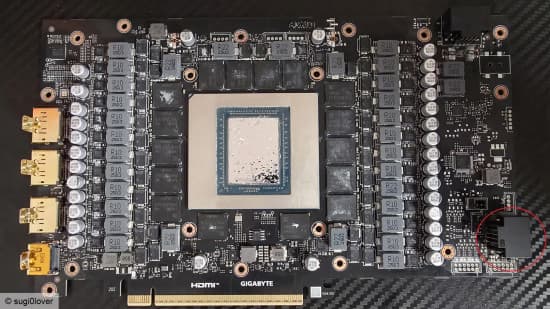
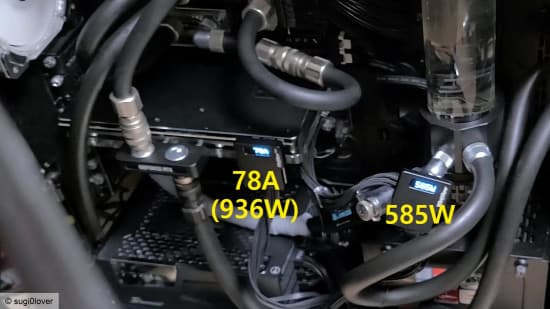
The builder (known on forums as sugi0lover) found unpopulated PCB pads near the primary 12VHPWR connector on a Gigabyte Aorus Xtreme Waterforce and soldered a second 12VHPWR plug. With extreme overclocks and monitoring hardware attached, measured currents showed ~936W through one cable and ~585W through the other, totaling ~1,521W. Crucially, this isn’t a stock configuration: Nvidia’s spec and mainstream card behavior set the RTX 5090 around a 600W design point.
Why this is dangerous (and why it grabbed headlines)
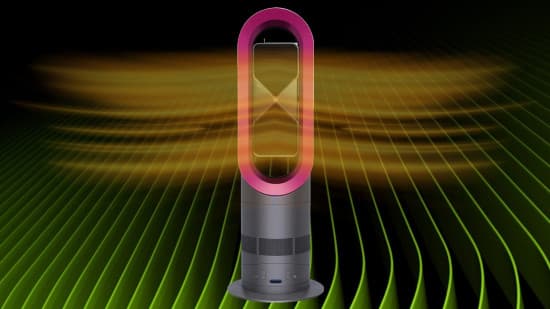
At ~1,500W the GPU acts like a consumer space heater — the same order as a 1,500W ceramic heater. In most homes that overloads a 15A/120V circuit (continuous safe draw is commonly considered ~1,440W). Beyond tripping breakers, the real risk is localized heating: connectors, cable terminals, or poor pin contact can spike temperatures enough to melt plastics or deform terminals. The RTX 4090 era already taught us about 12VHPWR connector failures; pushing one cable past spec (936W through a single cable, in this case) repeats those failure modes and amplifies the hazard.
What the measurements actually mean
Measured numbers are impressive—and they also illuminate why the modder did this for benchmarking, not daily use. The card’s VRMs and the water block let it sustain loads that air-cooled variants can’t. But sustained wattage at this level requires industrial-grade power distribution (240V circuits, high‑current PSUs), redundant cooling, and the correct high‑amp cables and connectors. Without those, you invite sudden connector failure, scorched PCBs, or worse.
Safer paths for enthusiasts who want more than stock
If your goal is more performance rather than headline numbers, use approaches that reduce the chance of catastrophic failure:
- Choose purpose-built water‑cooled RTX 5090 models with full‑coverage blocks and strong VRM designs rather than modifying connectors.
- Use vendor‑approved or reputable 16AWG/12AWG high‑amp cables and avoid adapters or damaged connectors; ensure terminals are rated and seated fully.
- Pursue firmware/BIOS variants used by extreme overclockers (XOC BIOS) and pair with careful voltage tuning rather than brute forcing maximum current.
- Run on 240V circuits and PSUs rated for sustained high current; consider datacenter‑grade or server power if you push past ~1,000W.
- Monitor connector and VRM temps constantly and prefer incremental testing—benchmarks, not full gaming sessions—until stability is proven.
What this means for everyday builders
For 95% of users, the stock RTX 5090 or modest overclocks are the right choice. A stock 600W target already demands serious cooling and a capable PSU. The dual‑connector mod is a fascinating engineering stunt, but it’s a benchmark‑only play that shouldn’t be replicated on household wiring or with consumer PSUs. If you want performance gains without turning your rig into a potential fire source, spend on a robust custom loop, high‑quality cables, and professional power delivery upgrades (240V circuits, upsized PSUs) rather than DIY connector surgery.
My take — excitement tempered by caution
As someone who follows GPU hardware and extreme overclocking closely, I admire the technical creativity here. It demonstrates how manufacturers leave headroom and how the community explores it. But admiration doesn’t equal endorsement. The mod trades everyday safety for benchmark potential. The more productive route is controlled experimentation: better cooling, validated firmware, and electrical upgrades that meet code. That’s where you get meaningful, repeatable gains without putting people or property at risk.
TL;DR
A modded Gigabyte RTX 5090 was pushed to ~1,521W by adding a second 12VHPWR connector — a headline-making engineering stunt that creates substantial fire, connector, and PSU risks for home users. If you want more than stock performance, prioritize approved water cooling, compliant high‑amp cabling, proper power infrastructure (240V), and conservative firmware tuning rather than replicating dual‑connector solder mods.
FinalBoss // Gear
Level up your setup
01Graphics cardson Amazon→02Gaming laptopson Amazon→03High-refresh gaming monitorson Amazon→04Discounted game keyson Kinguin→Affiliate links · As an Amazon Associate, FinalBoss earns from qualifying purchases.