

Famitsu’s “Most Emotional RPGs” Poll: FFX Tops, Pokémon Mystery Dungeon Outscores FF7 — Here’s Why
Game intel
Final Fantasy X
Final Fantasy X is the tenth main installment in the FF series and the first title released on sixth-generation consoles. It was also the first game to feature…
This caught my attention because it’s not another “best RPG ever” popularity contest. Dengeki Famitsu asked 4,700 readers which RPG made them cry-the kind of question that cuts through graphics wars and battle-system debates and goes straight to what sticks with us years later. Final Fantasy X claimed the top spot (no shock if you’ve ever heard To Zanarkand), but here’s the twist: Pokémon Mystery Dungeon: Explorers of Time ranked higher than Final Fantasy VII. Yes, the DS-era spinoff out-sobbed the polygonal legend.
Key Takeaways
- Final Fantasy X topping the list tracks with how fully it marries theme, music, and character arcs into a single, devastating finale.
- Pokémon Mystery Dungeon outranking FFVII isn’t a fluke-it highlights how found family stories and smaller casts can hit harder than spectacle.
- The results skew toward JRPGs and nostalgia-heavy eras, reflecting Famitsu’s audience and Japan’s RPG heritage.
- “Made me cry” is shorthand for sincerity: games that earn quiet moments between big beats land the lasting gut-punches.
Breaking Down the Survey
Famitsu’s 4,700-voter sample is sizable, but it’s also specific: primarily Japanese readers with deep JRPG roots. That’s why the leaderboard leans heavily on titles like Final Fantasy X, Crisis Core: Final Fantasy VII, Persona 3, Mother 3, and yes, even Okami sneaking in despite its action-adventure DNA. If you grew up on PS1/PS2 and Nintendo handhelds, this ranking feels like a memory lane booby-trapped with emotional landmines.
Before anyone screams “recency bias,” remember Persona 3 Reload and Crisis Core: Reunion refreshed those stories for a new wave of players. Meanwhile, Mother 3 still shows up in spirit despite never getting an official Western release. The throughline isn’t budget or even modern tech-it’s storytelling that dares to be earnest.
Why Final Fantasy X Still Wrecks Us
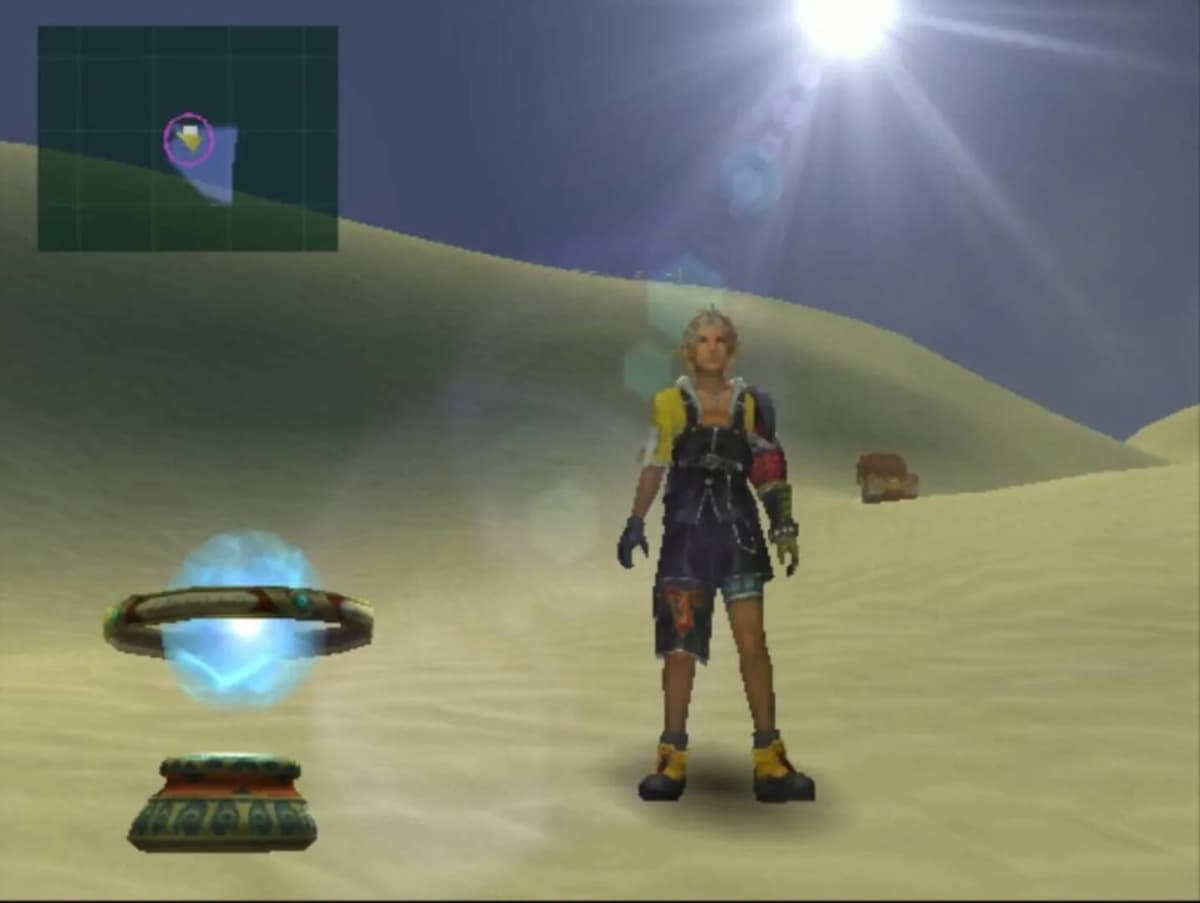
FFX is the full package. Spira isn’t just a backdrop; it’s a world built on ritual and loss, and every system supports that idea. The pilgrimage structure gives Yuna’s journey gravity. Those quiet boat rides, the temple stops, the awkward laughter scene—memed to death but thematically perfect—make the crew feel human. When the final hours pull the thread on sacrifice and identity, it hits because we lived with these people.
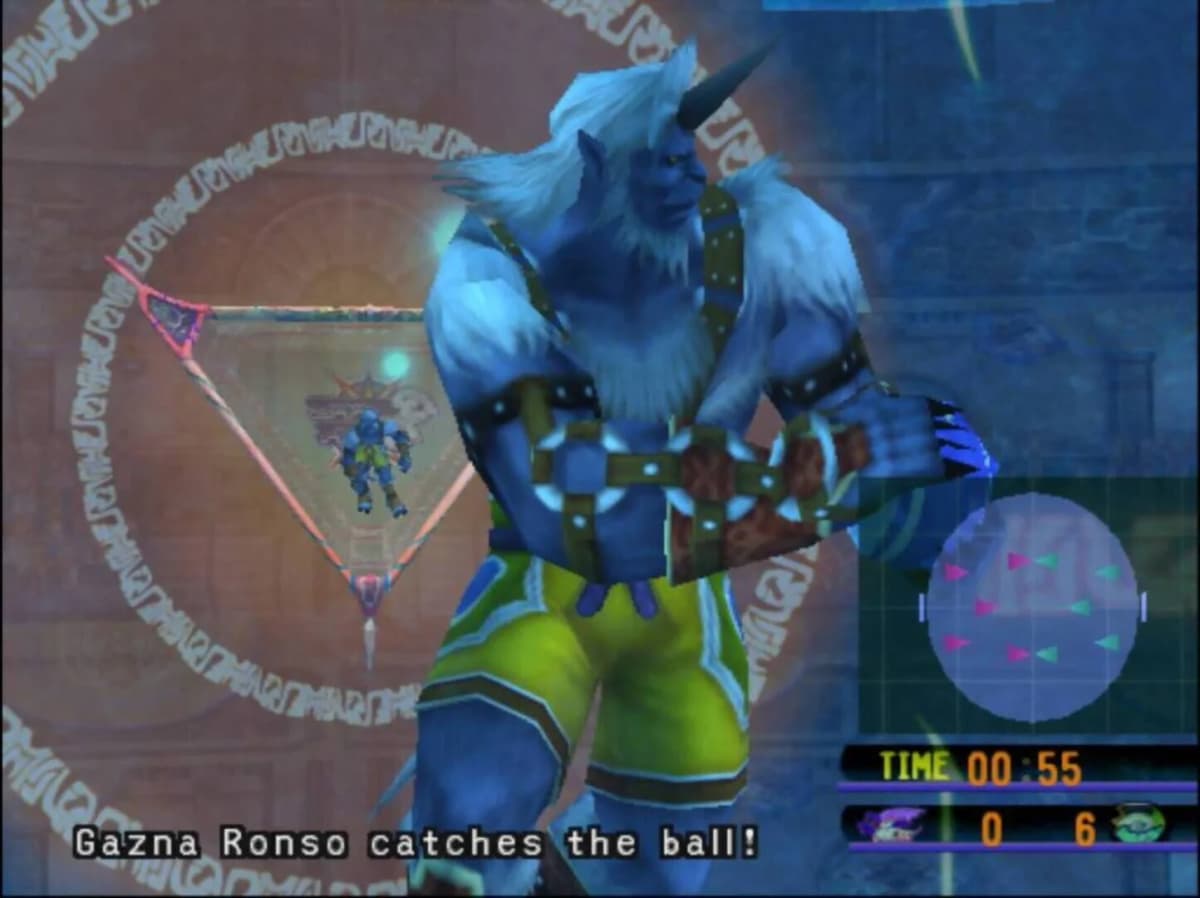
Voice acting arrived for the series here, and PS2-era cinematics still carry surprising weight. Nobuo Uematsu’s To Zanarkand does heavy lifting, but it’s the echo of it—when and how it returns—that turns tears into full-on catharsis. Blitzball downtime, sphere grid tinkering, and party banter build attachment in the margins. The ending doesn’t just seek sadness; it earns it, and that’s why FFX has aged into an emotional benchmark rather than a dated melodrama.
The Surprise: Pokémon Mystery Dungeon Over FFVII
If you haven’t played Pokémon Mystery Dungeon: Explorers of Time (or Darkness/Sky), it’s easy to scoff. A Pokémon spinoff beat FF7? But Explorers tells a laser-focused story about friendship, identity, and purpose. You wake up as a Pokémon with no memory, you join a tiny guild, and you slowly build bonds that feel earned because the game gives you space to be goofy, scared, and brave together. The Grovyle/Dusknoir twist, the Time Gear pilgrimage, and that ending—the one with the goodbye that absolutely ruins people—are remembered because the game doesn’t hide behind irony or third-act rug pulls. It just commits.
Why did it outrank FFVII? A few reasons. First, spoilers. Aerith’s fate is gaming’s worst-kept secret, and the Remake trilogy’s remixing of that story has redistributed the emotional center across multiple releases. Second, intimacy. Explorers uses a small cast and repetitive guild rhythms to foster attachment the way a good Saturday morning anime does. Third, timing. DS-era kids are now survey voters, and Don’t Ever Forget isn’t just a track name—it’s a generational memory. I’ve seen more than one hardened JRPG veteran admit they cried on a bus finishing Explorers of Sky; I’m not saying I was one of them, but I’m not not saying it.
Want to Level Up Your Gaming?
Get access to exclusive strategies, hidden tips, and pro-level insights that we don't share publicly.
Ultimate Gaming Strategy Guide + Weekly Pro Tips
What This Says About RPG Storytelling
Emotional impact isn’t about kill counts or photoreal tears; it’s about sincerity and pacing. Persona 3’s slow meditation on mortality lands because it spends dozens of hours letting you live a school year. Crisis Core devastates because it weaponizes inevitability—you know Zack’s fate, and you play anyway, hoping the impossible changes. Mother 3’s family-first storytelling punches past language barriers. Okami’s mythic arc earns tears through celebration more than tragedy. The pattern: games that respect downtime make the climaxes hit harder.
There’s bias here—regional tastes, nostalgia, platform access—but the core takeaway stands. Players remember how a game made them feel long after they’ve forgotten the optimal DPS rotation. That’s why a handheld Pokémon spin-off can edge a titan: it built a bond and then asked you to let go.
Want the Feels? Start Here
- Final Fantasy X HD Remaster — Come for the pilgrimage, stay for the most earned ending in the series.
- Pokémon Mystery Dungeon: Explorers of Sky — The definitive cut of Explorers, with bonus episodes that deepen the gut-punch.
- Persona 3 Reload — A modern retelling that keeps the heartbeat of the original’s themes intact.
- Crisis Core: Final Fantasy VII Reunion — A tragic prequel that hits even if you know every beat.
- Suikoden II — Political tragedy and personal bonds that predate the modern “sad RPG” wave for a reason.
TL;DR
Famitsu’s 4,700-player poll crowned Final Fantasy X the ultimate tearjerker, but Pokémon Mystery Dungeon outranking FF7 underlines a bigger point: intimate, sincere stories outlast spectacle. If a game gives you time to care, it won’t need a plot twist to make you cry.