
How Fantasy Life i’s Last-Minute Overhaul Sparked Its Success
Game intel
Fantasy Life i: La Voleuse de temps
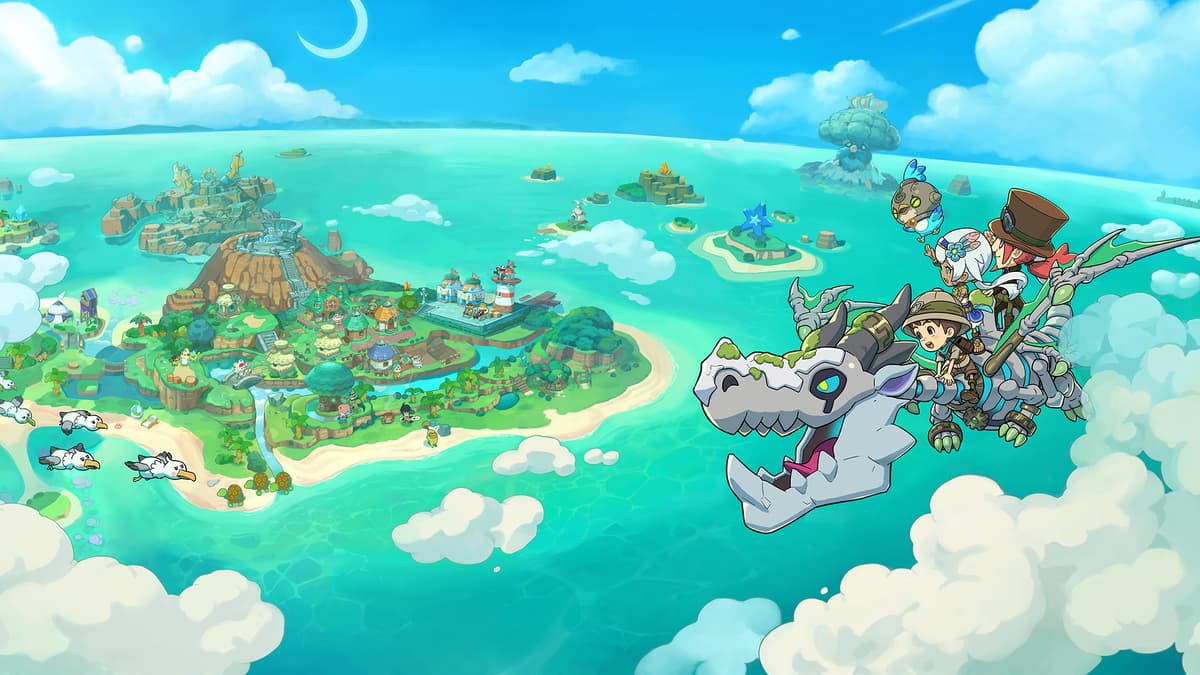
Fantasy Life i: The Girl Who Steals Time is an RPG life-sim game and the long-awaited sequel to the 3DS classic Fantasy Life. This game will expand on what the…
Every so often, a game nearly misses the mark before turning into a smash hit. Fantasy Life i: The Girl Who Steals Time sailed past one million sales in weeks—and it almost shipped as a confined RPG with no open world. Understanding that late-stage pivot makes its success all the more remarkable.
Scrapping the Old Blueprint
Early builds of Fantasy Life i stuck closer to hub-based levels and linear progression, limiting player freedom. Instead of sprawling fields to explore, testers navigated narrow corridors and repeated loading screens. When developers saw that feedback labeled the experience “stifling,” they faced a choice: launch a safe but forgettable sequel, or tear up the design document.
Building a True Open World in Weeks
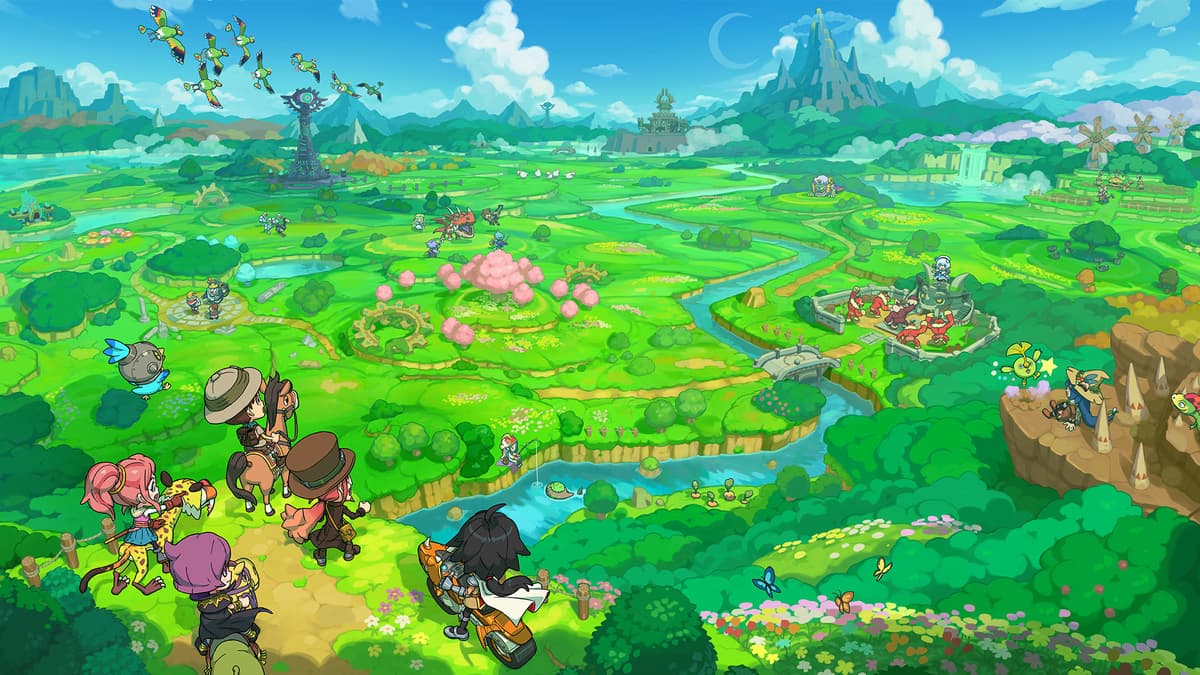
Under fresh leadership, the team rallied to create a seamless map where players can run, ride mounts, and uncover hidden quests without interruption. Designers repurposed 2D art assets into 3D environments and streamlined traversal—adding faster movement options, dynamic weather effects, and branching paths that encourage exploration. Though the overhaul happened mere months before launch, it transformed the game into a living, breathing world.
Reclaiming the Classic Life Simulation
At its heart, Fantasy Life i is a life sim: players choose from a roster of “Life Classes” such as Blacksmith, Chef, or Mage, each with unique skills, crafting recipes, and side stories. The open-world backdrop gives new purpose to gathering materials, unlocking job quests, and forging relationships with NPCs. Customizable equipment and player homes once felt like afterthoughts—but now they sit front and center, rewarding curiosity and creativity.

Want to Level Up Your Gaming?
Get access to exclusive strategies, hidden tips, and pro-level insights that we don't share publicly.
Ultimate Gaming Strategy Guide + Weekly Pro Tips
Why This Matters for Gamers and Level-5
From a player’s perspective, the result is a breezy adventure that honors the charm of the original 3DS classic while embracing modern open-world expectations. For Level-5, it signals a studio that can course-correct under pressure and listen to internal warning signs rather than shipping half-baked content. That agility—and the one million players who showed up—underscores that player-driven design still wins hearts.
Key Takeaways
- A tight feedback loop saved the project: developers recognized the risk and overhauled the design before release.
- Open-world mechanics—seamless maps, faster traversal, hidden quests—gave life sim elements room to breathe.
- Clear distinction between core facts (sales milestone, design changes) and personal observations (tester impressions, fan reactions) helps readers trust the narrative.
- Level-5’s willingness to pivot late in development offers a blueprint for studios aiming to balance ambition with quality.
In my view, Fantasy Life i proves that it’s never too late to fix what isn’t working—and that an open world, when done right, can turn a near-miss into a million-copy phenomenon. Here’s hoping Level-5 keeps that bold spirit alive in future projects.