
Table of Contents (10)
Coming Back To A Ghost Story That Used To Be Too Much For Me
I bounced off the original Fatal Frame II back on PS2. Loved the idea, hated the fixed cameras and stiff controls. It felt like a horror classic I respected from a distance, like an old film your friends swear by but you just can’t get past the pacing.
This new Fatal Frame II: The Crimson Butterfly Remake finally clicked with me in a way the series never fully had. Over about 18 hours, playing mostly at night with headphones on, I went from “I’ll just sample this for work” to letting the game absolutely eat my weekend.
What surprised me wasn’t just that the horror still holds up more than twenty years after the original 2003 release. It’s that the remake actually makes Fatal Frame feel approachable without declawing it. The over-the-shoulder camera, the reworked combat, the side stories, the subtle quality-of-life tweaks – they all hang off the same slow-burn folk horror core. It’s still punishingly tense; it’s just no longer punishing to control.
First Steps Into Minakami Village: Slow, Uneasy, And Immediately Wrong
The opening did something I wasn’t expecting: it made me bored on purpose. You play as Mio, following your slightly off-kilter sister Mayu through a quiet forest. No monsters, no jump scares, just this creeping wrongness in her voice and the way the camera lingers. I remember thinking around the 20-minute mark, “Okay, get to the ghosts already.”
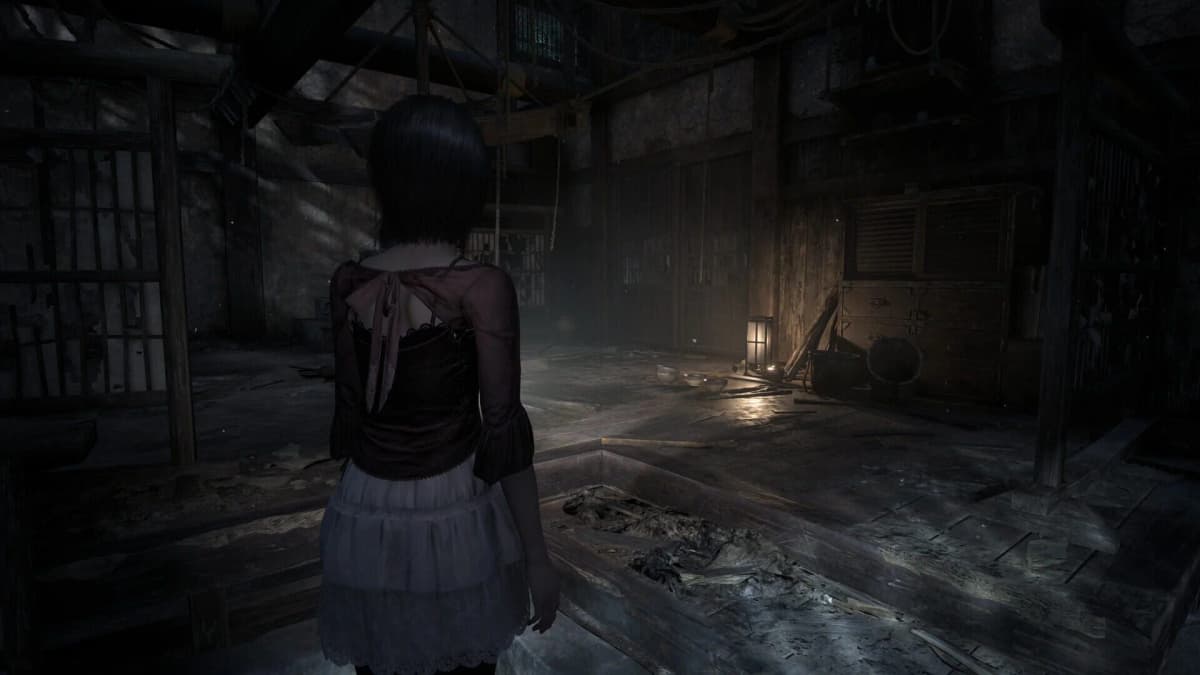
Then you step into Minakami Village and that boredom turns into dread almost instantly. The village is this tangle of narrow alleys, old wooden houses, and ritual spaces that feel wrong in a specifically Japanese way – sliding doors, cramped tatami rooms, paper screens that you know something is going to slip through eventually. The remake’s over-the-shoulder perspective lets you drink in more of that detail without fighting the camera, and that alone makes a huge difference in how playable it feels compared to the PS2 original.
The first time I opened a sliding door and saw a wraith in the distance, just standing and not attacking, I froze. On PS2 that moment was filtered through fixed angles; here, slowly inching forward in third-person, I could feel my thumb tightening on the stick. I actually backed out, saved, and went back in. That’s the kind of quiet, patient horror this remake leans into instead of modern “boo!” tactics.
The Over-The-Shoulder Shift: Losing Fixed Cameras, Keeping The Fear
The biggest change from the original is obvious the second you take control: the game has ditched fixed cameras in favor of a modern over-the-shoulder view for exploration. As someone raised on tank controls and static angles from the PS1/PS2 era, I expected to miss that old-school framing. Honestly? I don’t.
The new camera gives you proper spatial awareness, and that’s huge in a village this maze-like. Being able to peek around corners, line up doorways properly, and keep track of where the hell you are drastically reduces the “I’m fighting the controls” feeling the early games were infamous for. The trade-off, obviously, is that the game doesn’t get to direct every shot like a horror movie anymore.
What surprised me is how much the game compensates elsewhere. The lighting is oppressive – you’re constantly walking from pools of dim orange light into this inky blue-black shadow where you can barely see a meter ahead. Ghosts don’t always scream in; sometimes they just appear at the very edge of your flashlight cone. The sound design (I’ll get to that) fills in the gaps fixed cameras used to handle. I never felt “safe” just because I had more control.
Technically, movement and turning feel reasonably modern – closer to a low-budget contemporary horror game than an HD PS2 relic. There’s still a bit of stiffness, and running through tight interiors can occasionally snag you on geometry, but it’s leagues better than the original or even the Wii version. If classic Fatal Frame always felt unapproachable to you, this is the first version that doesn’t.
The Camera Obscura: Still One Of Horror’s Best Combat Systems
Once the ghosts actually start trying to kill you, the remake remembers what makes Fatal Frame special: you fight horror by looking at it.
Pulling up the Camera Obscura shifts you into a first-person view. The entire vibe changes – your field of view narrows, your movement slows, and you’re suddenly tracking these translucent figures that can clip through walls, teleport, or just vanish behind you. The remake gives you manual control over zoom and focus, and using them properly is basically the difference between a clean exorcism and burning through your precious film like an idiot.
Film types are your “ammo,” and the game is unapologetically stingy in that classic survival horror way. I spent most of the early chapters hoarding the stronger film like rare shotgun shells in Resident Evil, only to get punished for underusing them in boss fights. You learn quickly: normal ghosts? Maybe you can scrape by with the weakest film and careful shots. Story bosses or multi-ghost encounters? Load the good stuff.
The core mechanic is still the titular Fatal Frame shot: if you snap a photo at the exact instant a ghost attacks, you do huge damage, often stun them, and trigger an almost slot-machine burst of bonus shots. It’s risk-reward horror distilled – the game is literally telling you “wait till it’s inches from your face.” My first successful Fatal Frame on a particularly aggressive wraith made me physically unclench. I had been backing away, firing too early, wasting film. The moment I trusted the timing, the fight flipped from flailing to controlled terror.
The remake adds a Willpower gauge that acts as an extra layer of tension. You can still spam the shutter, but pointless shots with no ghost in frame will drain your Willpower and leave you more vulnerable. It’s clever: it discourages panicked mashing without turning combat into a rigid rhythm game. Later on, when I was more comfortable, I found myself deliberately letting ghosts circle closer to refill Willpower with clean hits, and that dance never stopped being tense.
Lenses, Upgrades, And Puzzles: The RPG-ish Side Of Exorcism
Outside pure combat, the Camera Obscura doubles as a puzzle tool. This is where the remake quietly sands down some of the more archaic edges of the original while keeping the same basic structure.
You’ll find pearls that act as upgrade currency, letting you buff things like damage, reload speed, or the rate at which your Fatal Frame window charges. The progression curve feels well-judged: I started out terrified of even basic ghosts, and by mid-game I was steamrolling weaker spirits as long as I respected the mechanics. The game never really turns into an action romp; it just lets you feel like you’ve grown.
Then there are the special lenses you slot into the camera:
- The first shows spectral trails and echoes of the past – crucial for navigation and for a few “where did this ghost go?” puzzles.
- The flash lens reveals hidden objects and temporarily stuns dangerous red ghosts.
- A late-game purple lens lets you destroy blood locks that bar progress, often in extremely cursed areas you wish you could avoid.
Compared to the tangle of functions and obtuse uses in some earlier entries, this loadout feels focused. Each lens gets clear, repeatable jobs. There were a couple of times where I burned 10 extra minutes wandering before remembering, “Oh, this is obviously a flash lens moment,” but for the most part the game communicates what you need without neon arrows or insulting hints.
Puzzles themselves are classic survival horror fare: sliding tile contraptions, lock combinations hidden in diary entries, ghostly photo matches, ritual pattern logic. A few of them are straight lifts from the PS2 era, just visually cleaned up. I hit maybe two real speed bumps where the solution logic felt under-explained, but nothing guide-worthy. Compared to the occasionally opaque logic of old Fatal Frame, this is absolutely the “most accessible” version.
Stealth Sections: The One Modern Addition That Never Quite Works
Every great horror game seems contractually obliged to have stalker enemies now, and Crimson Butterfly’s remake is no exception. There are a few segments where you can’t fight back at all; you have to hide in closets, behind screens, or slip around patrolling ghosts while your camera is basically disabled.
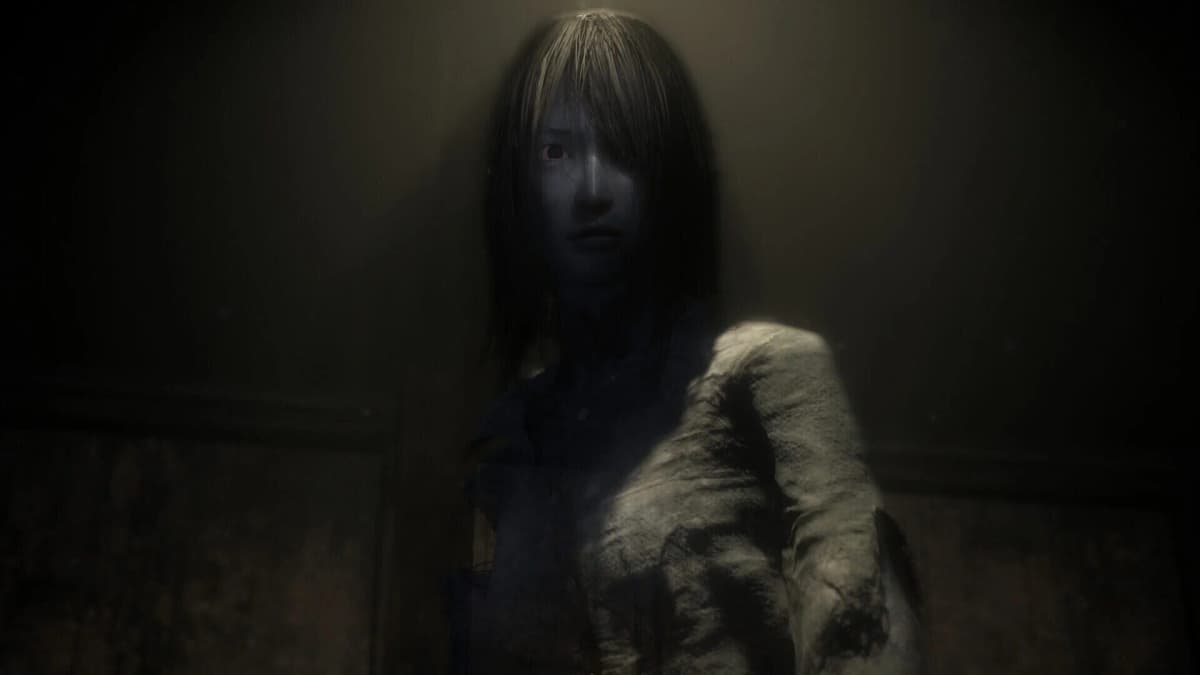
These were easily my least favorite parts of the game. When you enter hiding mode, the visuals switch to a washed-out filter that looks cool conceptually but actually makes it harder to read the environment. The game wants you to learn patrol routes, but the feedback for “you were seen” versus “you were almost seen” is muddy, so the whole thing becomes trial and error.
They’re short enough not to tank the experience, and there is some real tension the first time you’re crouched, listening to a wraith breathing outside your hiding spot, just praying it doesn’t open the door. But compared to how tight and purposeful the camera-based combat is, these stealth detours feel like they wandered in from a different, less confident game.
Audio Design: Put On Headphones Or You’re Missing Half The Game
If the Camera Obscura is the heart of Fatal Frame, the audio design is its nervous system. Play this with decent headphones or a proper surround setup if you can – it’s one of those rare horror games where the sound isn’t just “nice,” it’s functionally necessary.
Ghosts phase through walls, floors, ceilings; the only reliable way to track them while you’re in first-person is by listening. The game gives you a compass while aiming, but that directional audio – the wet, distant whisper panning from left to right, the soft slap of bare feet behind you, the creak in the boards you just walked over from the other side of the house – is what actually makes you turn at the right time.
Even when nothing’s attacking you, Minakami Village hums. There’s this low, constant droning in the ambience that makes hallways feel longer than they are. Wind chimes twitch, shutters rattle, something thumps two floors away with no payoff. I caught myself stopping in doorways for no good reason except that some tiny sound cue made my brain go, “Don’t.”
Music is sparse but well-chosen, mostly haunting strings and vocal tracks that lean into the twin-sister tragedy at the center of the story. The familiar ending song from the original returns, reworked but not overproduced, and it hit me harder than I expected after spending so long with Mio and Mayu. This is one of those remakes where you can tell the audio team genuinely loved the source material.
Story, Side Content, And Lore Overload
Fatal Frame’s storytelling has always lived somewhere between melancholy ghost story and pure lore dump, and Crimson Butterfly is no exception. The core plot is simple: Mio and Mayu are caught up in a village’s cycle of twin-based ritual sacrifice, and you piece together what went wrong last time this ritual was attempted.
What the remake adds is a decent chunk of optional side stories and extra documents that flesh out individual villagers, past victims, and alternate takes on certain events. These can stretch the runtime to the 17–18 hour mark if you’re a completionist. I enjoyed most of them, especially the ones that send you back to previously explored houses with a new twist, but there were evenings where I felt like I was reading more than I was playing.
The writing itself is earnest and occasionally clumsy, but it lands where it counts: the relationship between Mio and Mayu. Flashbacks drip-feed the guilt and resentment between them, and some late-game scenes hit that bittersweet J-horror tone that games like Silent Hill 2 made famous. If you care enough to chase the alternate ending, the remake does reward you with a payoff that actually justifies the extra effort.
Performance And Polish
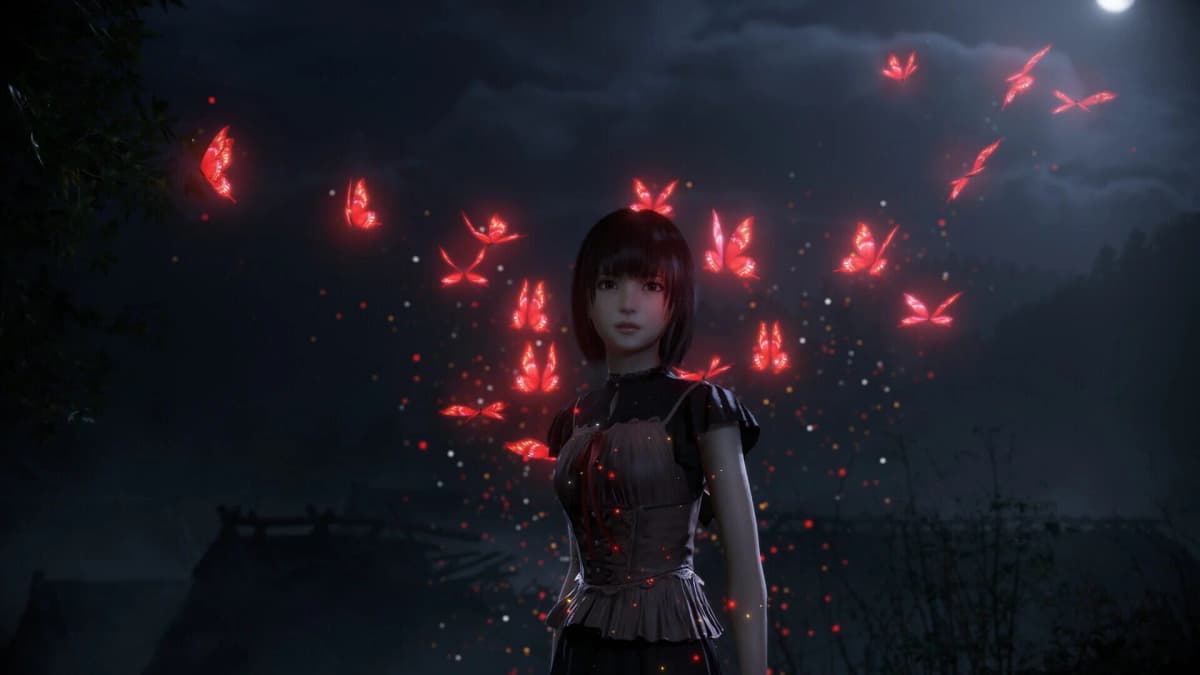
On the technical side, the remake sits in that “not AAA glitzy, but rock solid” space. Character models hold up well in close-up – the twins’ facial animations in particular sell a lot of subtle fear and sadness. Textures on some environmental props still give away the game’s PS2-era layout underneath, but overall the art direction carries it.
I didn’t hit anything game-breaking. A couple of ghosts clipped awkwardly on staircases, and there was one door that didn’t properly highlight even though it was interactable, but that’s the extent of the jank I saw across a full playthrough and some post-game cleanup. Loading is quick, checkpoints are fair, and manual save points are frequent enough that you’re never punished with huge re-treads.
Who This Remake Is For (And Who It Isn’t)
If you’re already a Fatal Frame fan, this is basically a no-brainer. It’s the most respectful, substantial modern take the series has had, and it finally gives one of the genre’s cult classics a presentation that doesn’t scare newcomers away for the wrong reasons.
But the more interesting audience, to me, is people like I used to be – horror fans who love Resident Evil, Silent Hill, maybe the modern Amnesia / Outlast stuff, but never clicked with Fatal Frame’s archaic controls and rigid framing. This remake doesn’t turn Crimson Butterfly into an action game, and it doesn’t hand you guns or quick dodges. It just removes enough friction that you can actually appreciate how good the core idea always was.
If you crave constant jump scares or fast-paced combat, you’ll probably find the pacing glacial. You spend a lot of time just walking, reading, creeping, and slowly realizing how doomed this place is. For me, that slow-burn rhythm is the point. For others, it’ll be a deal-breaker.
FinalBoss // Gear
Level up your setup
01Retro consoleson Amazon→028BitDo controllerson Amazon→03Capture cards (Elgato & more)on Amazon→04Discounted game keyson Kinguin→Affiliate links · As an Amazon Associate, FinalBoss earns from qualifying purchases.
Want to Level Up Your Gaming?
Get access to exclusive strategies, hidden tips, and pro-level insights that we don't share publicly.
Ultimate Reviews Strategy Guide + Weekly Pro Tips