
Fatal Frame II Remake Aims for 2026 — Team Ninja Takes the Lens, Fans Ask the Right Questions
Game intel
FATAL FRAME II: Crimson Butterfly REMAKE
The full remake of FATAL FRAME / PROJECT ZERO II: Crimson Butterfly. This Japanese-style horror adventure game follows twin sisters lost in an abandoned villag…
Why This Remake Actually Caught My Attention
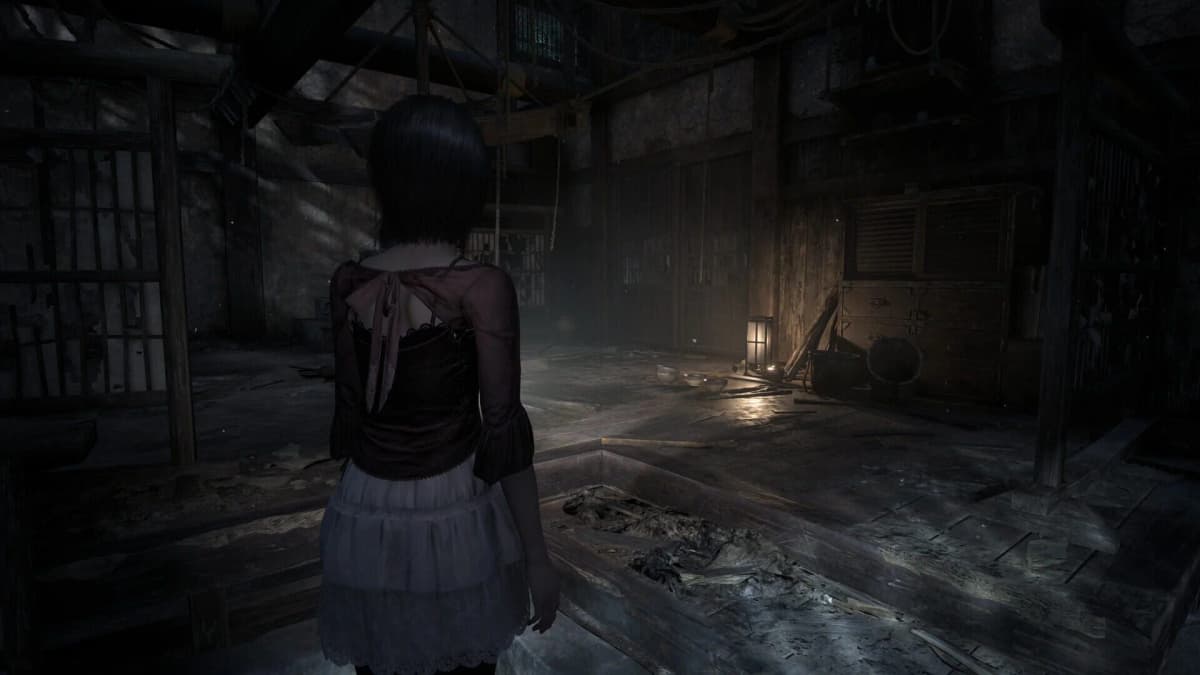
Fatal Frame II: Crimson Butterfly is the one I always circle back to when people argue about the best classic survival horror. It’s intimate, it’s unnerving, and it weaponizes stillness like few games ever have. So when Koei Tecmo and Team Ninja dropped a teaser for a full remake-targeting early 2026 on PS5, Nintendo Switch 2, Xbox Series X|S, and PC-I perked up, then immediately started compiling questions. The pitch is clear: overhaul the graphics, audio, and controls without losing the Camera Obscura-driven dread. That’s the right promise. The trick is delivering it.
Key Takeaways
- Team Ninja is developing-a surprising choice for a slow-burn horror series known for restraint, not swordplay.
- Next-gen focus (plus Switch 2) suggests modern lighting, spatial audio, and control improvements—exactly where this series needs upgrades.
- Japanese voice track with multi-language text fits the tone; the absence of an English dub will divide longtime fans.
- The remake has a high bar: Crimson Butterfly is widely considered the series’ peak. Change too much and you lose it; change too little and the PS2-era jank stays.
Why This Matters Now
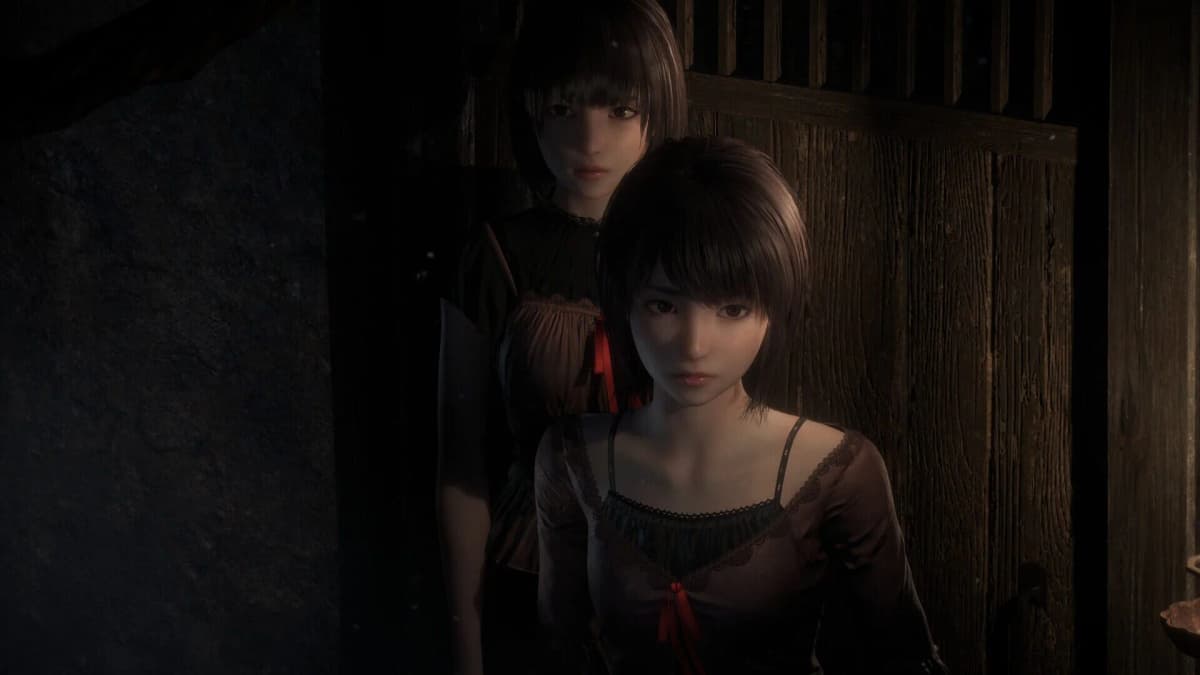
We’re deep into the horror remake era—Resident Evil 2 and 4 proved the model, and Silent Hill 2’s in the pipeline. Fatal Frame has been nibbling at the edges with remasters: Maiden of Black Water in 2021 and Mask of the Lunar Eclipse finally arriving worldwide in 2023. Both re-releases reminded me why the series’ atmosphere is unmatched—and also how stiff movement, finicky hitboxes, and dated mission structure can sand down the scares in 2025. A true remake of Fatal Frame II is the right move because Crimson Butterfly’s core is timeless: twin sisters, a vanished village, ritual trauma, and that sickly, beautiful crimson motif tying it all together.
Team Ninja at the Helm: Promise and Pressure
Team Ninja is a curveball. They’re the studio behind Ninja Gaiden, Nioh, Wo Long, and Rise of the Ronin—masters of precision action and responsive controls, not exactly known for slow, suffocating horror. That’s both the concern and the opportunity. If their remit is modernization—input latency, camera behavior, pad feedback—great. If the temptation is to “spice up” encounters with aggressive action pacing, that’s how you break Fatal Frame. This is a series where a fraction of a second before clicking the shutter is the whole point. I’m cautiously optimistic: let Team Ninja sharpen the feel of the Camera Obscura and traversal, and leave the rhythm, framing, and audio language intact.
What Needs to Change—and What Absolutely Can’t
Controls and feedback are the big ones. Aim acceleration, snap-to framing, and clearer telegraphing of ghost movement would make fights tense instead of fussy. A modern dodge or reposition mechanic (think a subtle sidestep or quick backstep) could complement the “Fatal Frame” timing window without turning it into an action game. Accessibility matters too: adjustable motion sensitivity, camera inversion per-axis, customizable HUD, and options to tune timing windows for players who love the story but struggle with the shutter system.
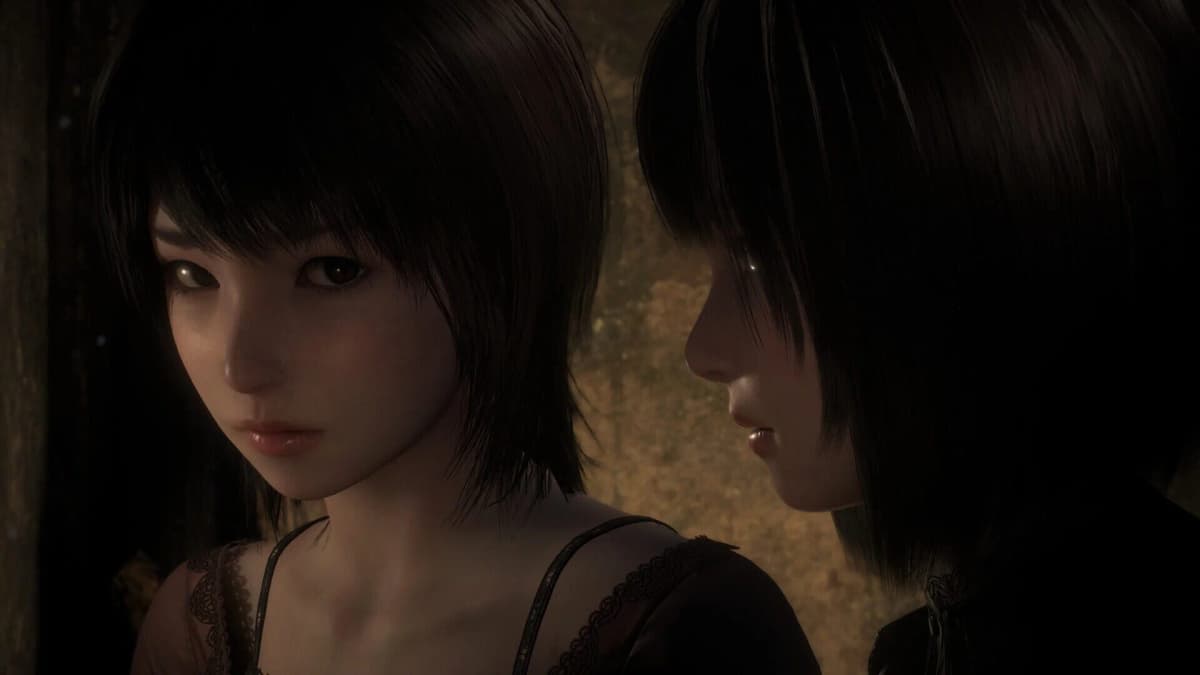
On the don’t-touch list: pacing, level layout, and the deliberate disorientation of the village. The unease of inching through creaking houses with nothing but ambient groans and the whirr of the Camera Obscura is the series’ soul. Audio is the actor here—so the mention of enhanced sound design is promising. Please go hard on spatial audio and surface texture: the clack of floorboards, the breath behind you, the “is that upstairs or inside the wall?” moments. If PS5’s haptics map the shutter tension and Switch 2’s rumble is precise, you can make every photograph physically stressful.
The Content Question: Which Version Are We Getting?
Veterans will remember 2012’s Wii remake (Project Zero 2: Wii Edition), which added new endings and changes that never reached North America. A “complete overhaul” in 2026 is a chance to consolidate the definitive version: original PS2 structure, selective Wii improvements, and modern QoL. I’ll be watching for whether alternate endings, expanded ghost list entries, and photo grading systems make the cut—and whether the remake resists padding. Crimson Butterfly doesn’t need filler collectibles; it needs confidence in its quiet.
Want to Level Up Your Gaming?
Get access to exclusive strategies, hidden tips, and pro-level insights that we don't share publicly.
Ultimate Gaming Strategy Guide + Weekly Pro Tips
Platforms, Performance, and PC Port Watch
Launching on PS5, Xbox Series X|S, PC, and Switch 2 only (no last-gen) is encouraging. This series lives and dies on lighting: volumetric fog, subsurface scattering on faces, and believable darkness that doesn’t just crush blacks. If the remake leans into real-time GI and clean TAA, those candlelit interiors will sing—and so will the ghosts drifting at the edge of exposure. On PC, I’m hoping for proper ultrawide, unlocked frame rates, and rebindable inputs out of the box. On consoles, give us performance and quality modes that don’t obliterate shadow detail. And yes, photo mode would be delightfully on-the-nose here.
DLC, Costumes, and the Koei Tecmo Factor
Koei Tecmo loves cosmetic DLC. Maiden of Black Water shipped with costume packs and a Deluxe Edition upsell. I’m bracing for something similar. That doesn’t have to be gross—extra camera skins, film types, and harmless outfits are fine if the base game is complete and thematically respectful. Just don’t lock legacy costumes or meaningful photo upgrade paths behind a paywall. Fatal Frame’s tone is fragile; a clownish costume popping during a ritual cutscene is the fastest way to break immersion.
Localization Note
Japanese voices with English, French, German, Italian, and Spanish text is the right call for tone, but it’s a shift from the old English dubs some players remember. As long as subtitle readability and timing get due care, I’m all-in on this choice—it supports the fiction rather than fighting it.
Looking Ahead
The teaser sets the table; now we need raw gameplay. Show a full house exploration segment, a mid-tier ghost encounter, and a save-room moment to demonstrate pacing. Confirm whether the remake integrates Wii content and what difficulty and assist options look like. If Team Ninja nails input feel and Koei Tecmo preserves the suffocating atmosphere, this could be the definitive way to experience one of horror gaming’s finest stories.
TL;DR
Fatal Frame II’s remake is exciting because the core still rules and the series desperately needs modern controls and audio. Team Ninja’s involvement is intriguing—great if they focus on feel, risky if they chase action. Bring on the gameplay demo; until then, cautious optimism.