
Fatekeeper: Can This Indie RPG Live Up to the Hype?
Game intel
Fatekeeper
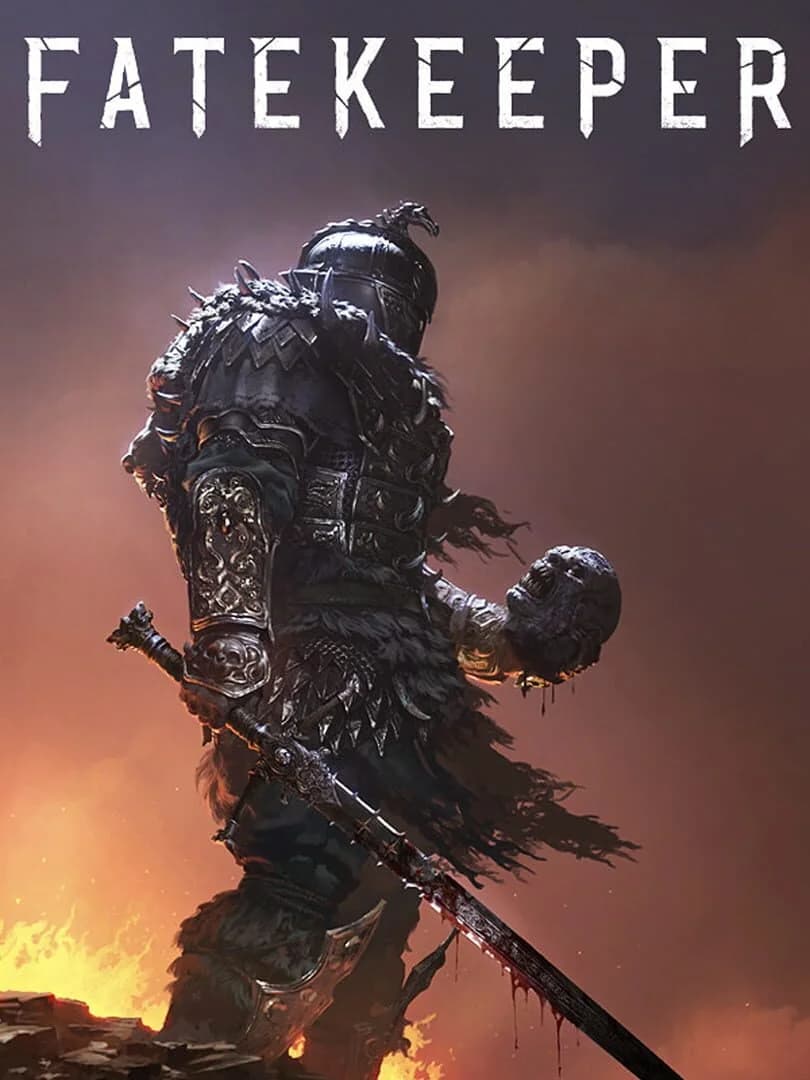
Venture into a handcrafted world where ruins whisper of past cataclysms. Master the art of sword and sorcery and forge your path with relics, spells and choice…
Introduction
Remember scaling Skyrim’s hidden peaks and feeling the wind whip past your face? That same excitement pulsed through the crowd at THQ Nordic’s latest showcase when Paraglacial, a fresh indie studio, unveiled Fatekeeper. Glowing runes danced on weathered stones, torchlight flickered across grimy corridors, and foes were hurled in gravity-defying tumbles. The promise of “brutal first-person combat” and intricately constructed realms had jaws dropping—but beneath this cinematic sizzle, the big question remains: can Fatekeeper deliver the meat beneath its impressive bones, or is this another trailer that dazzles without depth?
Game Snapshot
- Title: Fatekeeper
- Developer: Paraglacial (indie newcomer)
- Genre: First-Person Action RPG, Fantasy
- Release: Unconfirmed (Wishlist on Steam)
With no set release date, eager fans are already refreshing their Steam wishlists and dissecting every frame of the reveal trailer. Paraglacial remains tight-lipped about launch targets, so our current impressions rest solely on that demo—and plenty of informed speculation.
World Design: Crafted, Not Cluttered
In an era of sprawling, quest-marker-saturated worlds, Fatekeeper carves its own path. Paraglacial emphasizes handcrafted environments that reward curiosity rather than autopilot questing. Imagine a ruined fortress perched on storm-lashed cliffs, each parapet offering a hidden nook or trap-laden side passage. Multi-level dungeons echo with dripping water and distant growls, drawing you deeper through branching corridors. Environmental puzzles—like timed levers or crumbling walkways—are subtle touches that enrich exploration without overwhelming it. The real test will be whether these handcrafted zones stay fresh across multiple playthroughs or fade after one stellar run.
Combat Mechanics: Timing Over Button-Mashing
Early footage shows a combat system built on physics and precision. Instead of mindless combo strings, Fatekeeper demands you read your opponent’s tells. Knights heft broadswords with a telltale stagger before a crushing blow, while spellcasters channel arcane energy with a raised hand. Nail the timing on a riposte, and you’ll send helmets clattering. You can dip your blade in sticky oil to ignite foes, or harness minor telekinetic pushes to stagger armored soldiers. These mechanics suggest a duel feels like a dance—every swing and block carries weight, making each skirmish a test of both reflexes and strategy.
Progression & Customization: Growth That Matters
Rather than a sprawling skill tree, Fatekeeper teases three focused growth paths—brawny warriors, agile rogues, and arcane spellcasters—each altering how battles unfold. Brawlers wield colossal axes that crack shields, rogues dart around enemies with twin daggers, and spellcasters rain elemental fury from a distance. Gear is more than a stat boost: a streamlined helm might speed up dodge recovery, while elaborate gauntlets unlock a charged smash. Cosmetic unlocks allow fiery armor motifs or frostbound accents, giving your hero personality without drowning you in endless menus.
Visuals & Audio: Feast for the Senses
Graphically, Fatekeeper leans into dynamic lighting and weather effects—rain-soaked cobblestones gleam under torchlight, drifting snow chills mountain passes, and particle-rich spells crackle against stone walls. Sound design elevates the atmosphere: steel clashes echo in vaulted corridors, distant roars lurk just out of view, and a brooding orchestral score swells as danger draws near. If performance and optimization hold up, this combination of visuals and audio could make Fatekeeper one of the most immersive indie RPGs to date.
Want to Level Up Your Gaming?
Get access to exclusive strategies, hidden tips, and pro-level insights that we don't share publicly.
Ultimate Gaming Strategy Guide + Weekly Pro Tips
Meet Paraglacial: The Indie Wildcard
Paraglacial strides onto the scene without a known portfolio. That lack of background could be their secret weapon—a nimble team unencumbered by corporate red tape. Yet inexperienced developers can stumble on animation polish or balance tuning. Will their debut feel like a thrilling prototype or a polished AAA contender? Observers hope Paraglacial strikes the right balance between ambition and execution.
Potential Pitfalls: Scope Creep vs. Focus
First-person fantasy RPGs often burst at the seams with features—multiplayer hubs, crafting minigames, or sprawling side quests. While a broader scope can be tempting, overextension risks diluting Fatekeeper’s core strengths: fluid combat, evocative environments, and tight progression loops. The key for Paraglacial will be resisting the urge to pile on every trendy mechanic and instead hone in on what makes the gameplay sing.
Expectations & What Comes Next
With no firm release date, all eyes turn to Steam discussion boards and Paraglacial’s social channels. Hints at alpha tests, developer diaries, or performance benchmarks will shape player confidence. Details on controller support, post-launch content, and a transparent patch roadmap could earn goodwill long before Fatekeeper ever launches.
Conclusion: Carving Out Its Own Legacy
Fatekeeper arrives unproven yet crackling with possibility. Its commitment to physics-based duels, handcrafted realms, and meaningful progression offers a promising alternative while fans await titles like The Elder Scrolls VI. If Paraglacial delivers on these pillars and keeps their scope laser-focused, Fatekeeper could redefine what we expect from indie fantasy RPGs. Until then, we’ll be hitting ‘refresh’ on that Steam wishlist—and hoping this bold debut lives up to its hype.