
FBC Firebreak’s Shortcomings in the Control Universe
When Remedy Entertainment promised a cooperative shooter set in the unsettling corridors of Control’s Oldest House, expectations ran high. Instead, FBC: Firebreak launched with stumbles in player guidance, recycled content, and underdeveloped social systems. This analysis explores where it went wrong, acknowledges a few bright spots, and considers what lessons both developers and players can take forward.
1. Onboarding and Player Guidance Failures
Effective onboarding orients new players through tutorial sections, clear objectives and in-game guidance. In Firebreak, users report confusion about mission goals and core mechanics. Without an interactive tutorial or chat tools, co-op veterans and newcomers alike end up in mismatched lobbies, struggling to coordinate. A more gradual introduction—similar to how Left 4 Dead uses its chapter structure to teach basic tactics—could have smoothed the learning curve.
2. Recycled Assets and Atmosphere Drain
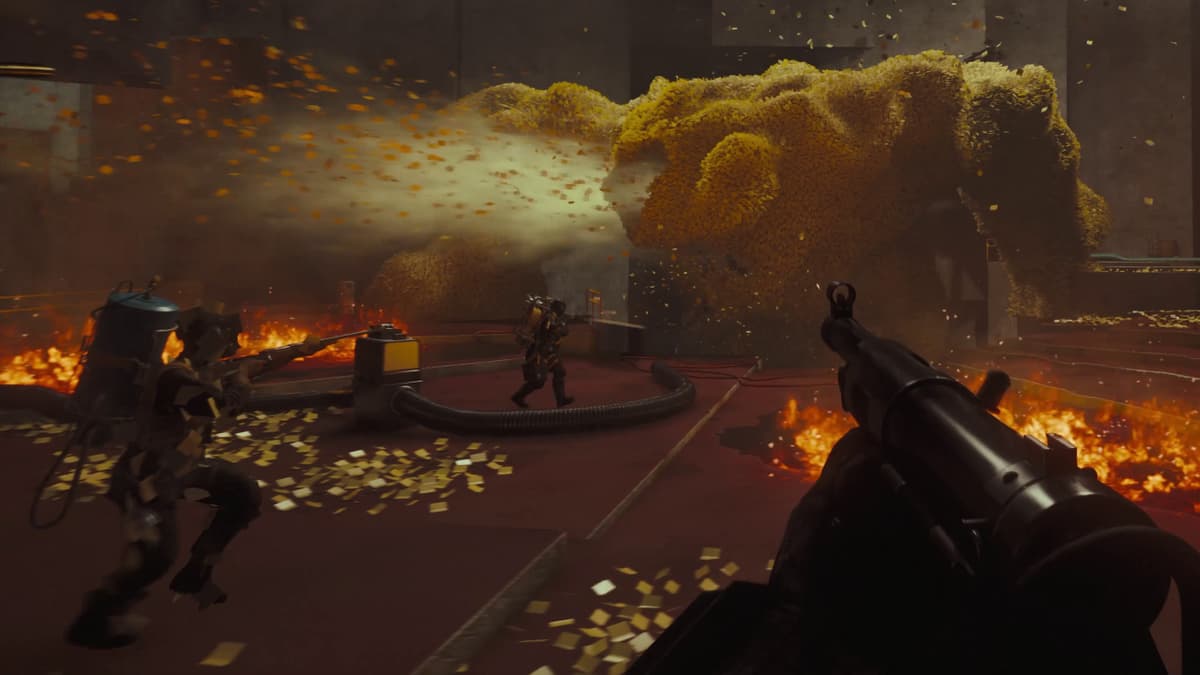
Control’s narrative strength lies in mystery—every altered item and sealed door invites discovery. Firebreak repurposes familiar arenas and Hiss variants but washes away the narrative depth, turning unique threats into routine wave spawns. While spin-offs often lean on known settings—as seen in Halo: ODST’s Pelican-view of New Mombasa—Firebreak misses the balance between fan service and fresh challenges.
3. Multiplayer Design and Social Features
A thriving cooperative shooter depends on smooth communication, matchmaking and incentives to play with friends. Firebreak’s limited voice lines, lack of tactical pings and absence of clan or squad systems mean players rarely form long-term groups. Minimal penalties for dropping matches and an opaque reporting system further discourage engagement. Counterpoints: some may appreciate the low-pressure environment, but a stronger emphasis on team coordination would boost retention.
FinalBoss // Gear
Level up your setup
01Top-rated gaming headsetson Amazon→02High-refresh gaming monitorson Amazon→03Gaming chairson Amazon→04Discounted game keyson Kinguin→Affiliate links · As an Amazon Associate, FinalBoss earns from qualifying purchases.
4. Content Value and Monetization Strategy
At a $40 price point, players expect a robust launch package: varied maps, bespoke missions and a fair grind for unlocks. Instead, Firebreak launched with five recycled maps, modest gear variety and staggered reward schedules. “Grinding” refers to repetitive tasks to level up or unlock items, and here the rewards feel sparse. Comparable titles often include seasonal content or cosmetic passes at launch—Firebreak’s roadmap-style update schedule risks alienating purchase-day adopters.
5. A Case Study in Contrast: Nightreign’s Approach
Bandai Namco’s Elden Ring spin-off Nightreign also stretches a single-player IP into a live-service model. While its lore integration is loose, Nightreign sells early on engaging loops: punishing boss co-ops, seasonal events and a clear progression path. When issues arose, quick patches and additional gear drops reinforced player faith. Firebreak’s slower patch cadence and limited endgame goals undermine that sense of momentum.
6. Implications for Future Live-Service Spin-Offs
Firebreak’s struggles highlight a broader industry challenge: embedding multiplayer modes into story-driven worlds without diluting their core strengths. Successful spin-offs—like Assassin’s Creed Brotherhood’s competitive mode—demonstrated clear design intent from the outset. Developers must balance narrative respect, player onboarding and ongoing content delivery to build trust rather than relying on a franchise name alone.
7. Conclusion: Earning Player Goodwill
FBC: Firebreak shows that even a rich universe like Control’s can feel hollow when foundational systems falter. Remedy still has the opportunity to refine matchmaking, expand missions and deepen lore integration. Players remain open to cooperative experiences, provided they offer clarity, community features and fair progression. If Firebreak can deliver on these fronts, it may yet recover—but the early reception serves as a reminder: first impressions still matter.