
FF7 Rebirth’s Side Content Debate: Hamaguchi Defends the Grind, Promises a Tighter Finale
Game intel
Final Fantasy VII Rebirth
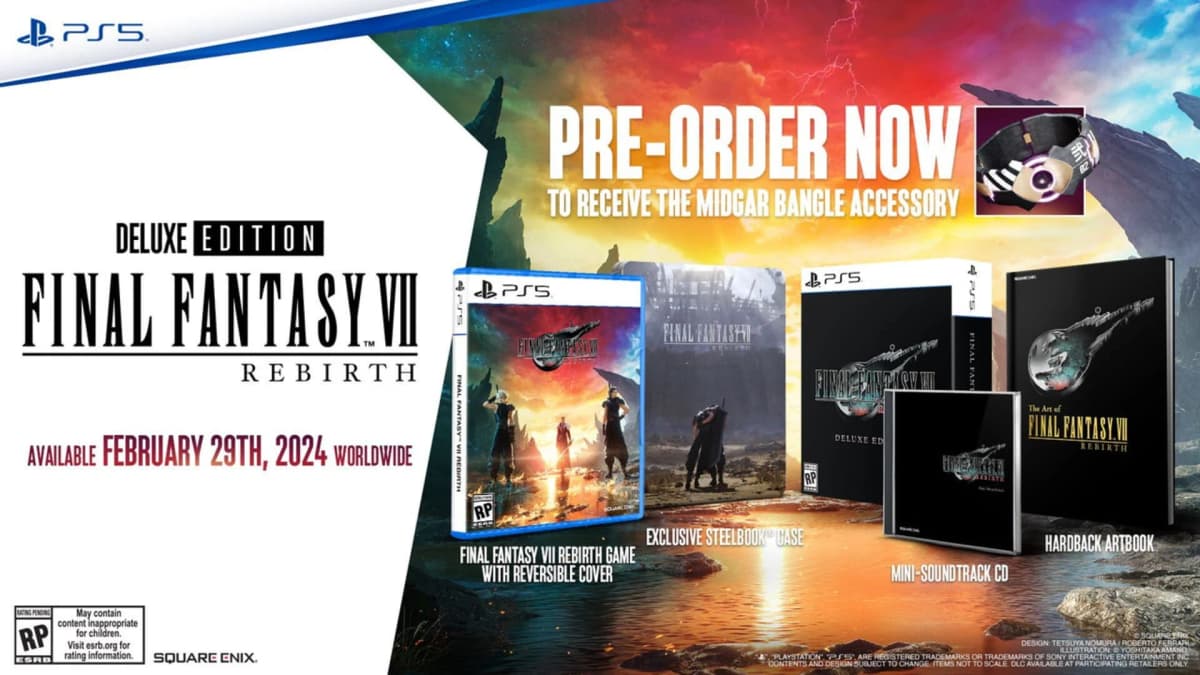
Content of the Deluxe Edition: ・ Final Fantasy VII Rebirth main game ・ Mini art book ・ Mini soundtrack ・ Steelbook
Rebirth’s Side Content Debate Hits a Nerve-for Good Reason
This caught my attention because Final Fantasy VII Rebirth is the rare game where I adored the vibes and characters, yet found myself groaning every time the map coughed up another checklist. Director Naoki Hamaguchi just weighed in, arguing the content isn’t too long-players just have too many games competing for their attention. That’s a bold stance in 2025, when open-world fatigue is a meme and “icon vomit” is a genre.
- Hamaguchi says Rebirth’s sections weren’t “longer than necessary.”
- He believes modern players feel rushed because they have too much to play.
- Feedback has pushed the team to make the trilogy’s finale “more concise.”
- The core tension: rich optional content vs. repetitive open-world structure.
Breaking Down the Statement
Speaking to Screen Rant at Brazil Game Show 2025, Hamaguchi said, “Regarding time management in certain sections, especially in FF7 Rebirth, I honestly don’t believe that they were longer than necessary. I feel like nowadays, players just have too much to do and too much to play, so they often feel the urge that something has to be concluded quickly.” There’s a kernel of truth here-backlogs are brutal—but it sidesteps the structural issue. Rebirth’s best optional content is exceptional; its worst repeats the same tower->scan->ping->collect loop we’ve all seen since the Ubisoft boom of the 2010s.
Contrast the “Chadley checklist” with the stuff fans actually rave about. Queen’s Blood is a legit banger of a card game—fast, tactical, and thematically on point—good enough to stand alongside Gwent and a modernized Triple Triad. The Gold Saucer is a hit parade of throwback joy, and character-centric missions frequently add heart instead of padding. The problem isn’t quantity; it’s rhythm. When Rebirth funnels you from a sweeping story beat into a region-clearing grind, the tone whiplash undercuts otherwise stellar narrative momentum.
The Real Issue: Flavor vs. Filler
JRPGs have always thrived on optional flavor. Yakuza turns side stories into dramatic sprints of absurdity. The Witcher 3 ties side quests to character arcs and consequences. Baldur’s Gate 3 trusts systemic depth to make diversions feel authored even when they’re not. Rebirth sits somewhere in the middle. It’s overflowing with charm and minigames (riding a dolphin shouldn’t work; it does), but its open zones lean on familiar scaffolding that feels designed to pad playtime rather than enrich Midgar’s broader saga.
And yes, players are busy. But we still invest 80-120 hours in games that respect our time. The difference is friction. If pushing a region to 100% feels like running errands for an NPC spreadsheet, we bail. If the same effort delivers bespoke story beats or mechanical mastery, we commit. Rebirth too often hides its best content under a layer of map maintenance.
Why Hamaguchi’s Pivot Matters for Part 3
Here’s the important follow-up: “As we work on the conclusion to the trilogy, we are striking a balance on how story arcs are told and spread out so as to ensure that the game feels a bit more concise,” Hamaguchi added. That sounds like the team has heard the community loud and clear. A more concise finale doesn’t need to mean a smaller game; it can mean tighter curation, smarter pacing, and optional content that complements the main plot instead of dragging it sideways.
Concrete wins for the finale could look like:
- Fewer “scan the region” chores; more bespoke side quests tied to party members and locations.
- Keep the hits (Queen’s Blood, Gold Saucer-style attractions) and let them breathe with meaningful rewards tied to builds and narrative payoffs.
- Integrate exploration loops with story beats—let discoveries trigger character moments, not just icons.
- Shorten time-to-fun between major plot arcs; avoid sending players on mandatory detours after heavy story scenes.
Square Enix, Learn from Your Own Best Ideas
Remake nailed this balance more often. Its side content wasn’t flawless, but it rarely forced the player into a checklist trance. Rebirth’s top-tier minigames prove the team knows how to craft irresistible distractions; the finale just needs to filter out the chores. If Square Enix leans into character-driven optional stories and trims the tower-template busywork, the trilogy could stick the landing in a way that both respects nostalgia and matches modern expectations.
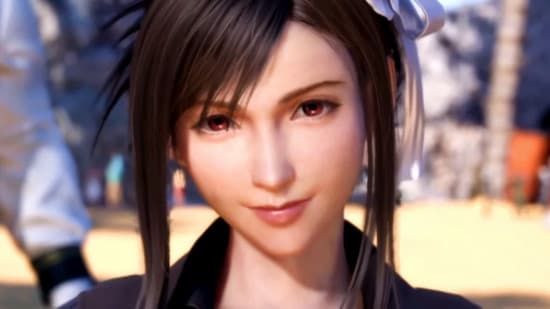
For what it’s worth, I don’t want less FF7. I want less filler between the good stuff. Let Tifa’s, Barret’s, and Aerith’s arcs shine without making me clear five intel posts to unlock the next emotional gut punch. Give me more moments that feel authored and fewer that feel automated.
TL;DR
Hamaguchi says Rebirth’s segments aren’t too long—players are just juggling more games—but promises a tighter, more balanced finale. The ask from fans is simple: keep the brilliant minigames and character quests, ditch the checklist grind, and let the story flow without speed bumps.