
Final Fantasy VII stopped being one clean story a long time ago. The original game became a movie, then prequels, then side stories, then lore arguments, then a remake project that immediately started winking at the audience like it knew we’d all spend years drawing red string between scenes. That history matters, because the current fight over whether the Remake trilogy is a sequel, a reboot, a “new world,” or a stealth road back to Advent Children did not come out of nowhere. Square Enix trained this fanbase to think like conspiracy theorists, and now it’s acting surprised that every vague phrase becomes a courtroom exhibit.
Still, after the latest round of Final Fantasy VII Revelation talk, I think the safest reading is finally pretty obvious. This trilogy is heading toward a single authored ending, not a choose-your-own-canon timeline buffet. That does not mean the sequel debate is idiotic, because the games absolutely invited it. But it does mean a lot of fans are building expectations around branching realities, total canon replacement, or a hard-confirmed Advent Children endpoint that the public evidence simply does not support. If you go into Revelation expecting Square to validate your entire timeline spreadsheet, there’s a good chance you’re setting yourself up to be furious at a game that was never trying to do that in the first place.
Table of Contents (7)
The “single ending” comment matters more than people want to admit
The biggest piece of clarity we’ve gotten is also the least flashy: Revelation is being framed as the third and final part of a self-contained trilogy, and the ending is being described as singular and canonical for everyone. Player choice can still shape scenes, character moments, and how parts of the journey feel, but not the final destination. That is a huge distinction, and I think some fans are trying to talk around it because “single ending” is less exciting than “what if Square built twelve timelines and your save file decides who survives the metaphysical collapse of memory itself?”
Come on. That was never the most likely outcome. Ambiguous story design is not the same thing as infinite story design. A lot of modern fandom has been trained by multiverse fiction to assume every crack in reality is a promise of endless branches. Sometimes it’s just an aesthetic. Sometimes it’s a theme. Sometimes it’s a way to make old scenes feel haunted by future knowledge. And sometimes a developer is saying, as plainly as they can without spoiling the game, “yes, there will be dramatic variations in the ride, but we are still landing the plane in one place.”
For me, that’s a relief. Not because I hate experimentation, but because FF7’s emotional power has never depended on player-authored canon. It depends on whether Cloud’s fractured identity, Aerith’s role, Tifa’s intimacy, Sephiroth’s manipulation, and the Planet’s larger stakes are brought together with conviction. The worst version of Revelation would be one that mistakes ambiguity for depth and ends up too scared to say anything definite. A single ending suggests the team knows it has to make a call. Good. Make the call. Stop leaving the entire burden of meaning on the player’s wiki tabs.
The sequel reading isn’t crazy, but people keep overstating it
Now, to be fair, the reason this debate refuses to die is because Remake and Rebirth did not behave like straightforward remakes. They used foreknowledge, fate, contradiction, weird echoes, and character awareness in ways that clearly encouraged players to ask whether these events were happening after, around, alongside, or in reaction to the original 1997 story. Zack’s role alone was enough to pour gasoline on the argument. Sephiroth often feels less like a villain rediscovered and more like a villain arriving with baggage. Aerith frequently seems to operate on a wavelength that goes beyond simple retelling. If you looked at all that and thought, “This is sequel-coded,” I’m not going to pretend you hallucinated it.
But here’s where I think the debate gets sloppy: “this behaves like a sequel in some ways” is not the same thing as “the developers have publicly confirmed a separate timeline continuity where the original game is now a prerequisite text.” Those are wildly different claims. The first is interpretation. The second is canon lawyering. Right now, the strongest ground is still somewhere in the middle. The Remake trilogy looks like it is expanding, reframing, and mythologizing FF7 rather than simply photocopying it. That makes it more than a literal remake. It does not automatically make it a hard-labeled sequel in the clean, technical sense some fans want.
I keep coming back to one idea: the trilogy feels less interested in replacing the original than in arguing with our memory of it. That’s a very different artistic project. It’s a story about inheritance, expectation, and the burden of already knowing what “should” happen. That can create sequel energy without requiring the entire franchise to file new continuity paperwork. In other words, Revelation can still be bold, weird, and emotionally disruptive without needing to stand up at the end and declare, “By the way, the old canon has been superseded by Timeline B.”
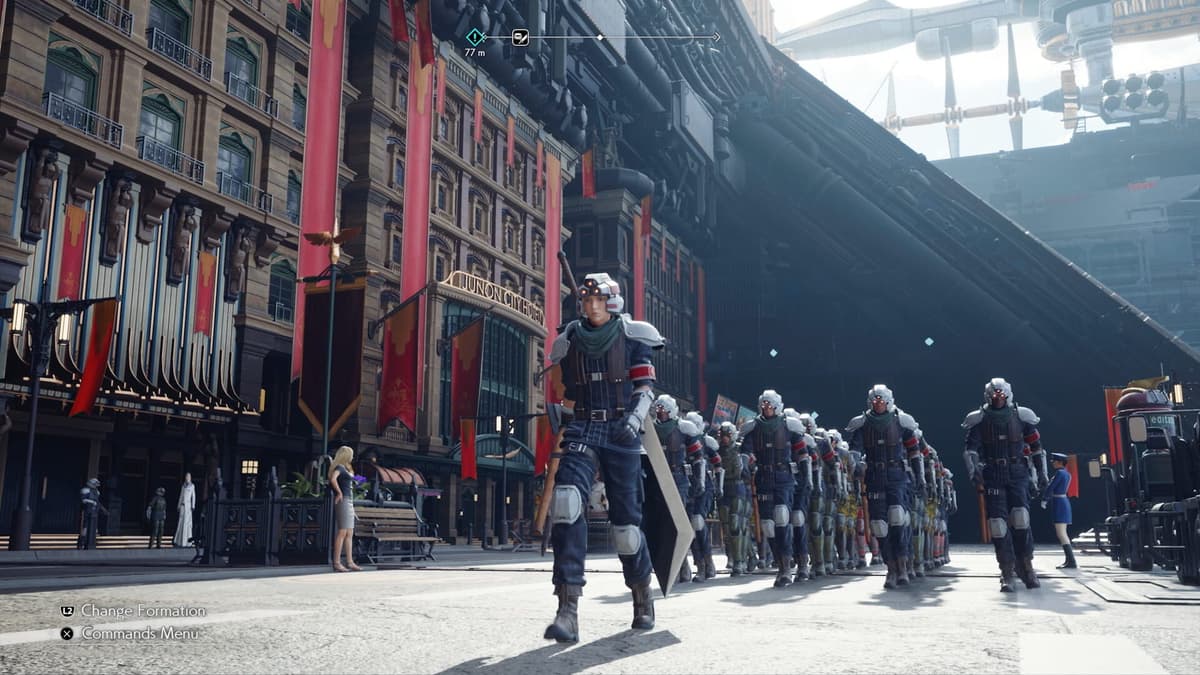
“New world” is where the discourse goes off the rails
The phrase “new world” sounds explosive, which is exactly why fans latch onto it like it’s a legal confession. But in a series as spiritual, symbolic, and deliberately slippery as FF7, those words can mean several things at once. They can point to literal altered conditions in the setting. They can describe a post-fate reality. They can reflect a thematic reset, where characters are confronting a future no longer governed by the same inevitability. They can even function as emotional language rather than cosmology.
This is where I get annoyed with theory culture, because too many people hear “new world” and immediately jump to “separate timeline confirmed.” No. Not confirmed. Plausible? Sure. Supported as one interpretation? Absolutely. Confirmed? That’s a much higher bar, and the public material is not there yet. If Square wanted to remove the ambiguity, it could. It hasn’t. That is not an accidental omission. The ambiguity is part of the design.
And honestly, I think “new world” works better if you treat it as part of the Remake trilogy’s own mythos instead of a fandom scoreboard. One of the smartest things these games have done is create the feeling that FF7 itself is unstable, that memory and destiny are being contested inside the text. That feeling is powerful. It gives familiar scenes fresh dread. It lets old fans experience uncertainty without erasing the original. Reduce that to “Timeline C exists” and you flatten something much more interesting into franchise bookkeeping.
That doesn’t mean continuity doesn’t matter. It does. It matters because players are trying to understand what kind of ending to expect. But if you want my blunt read, “new world” should currently be treated as a sign of narrative transformation, not as a notarized statement that Revelation belongs to a cleanly separated canon branch with fully settled rules. The moment fans start speaking more confidently than the developers, the conversation gets stupid fast.
The Advent Children obsession is built on inference, not proof
This is the part where I think people are most aggressively overreaching. The link to Advent Children is real as a point of discussion, and the broader Compilation has obviously been part of how this remake project imagines FF7’s world. Nobody paying attention should deny that. But a lot of fans are treating the movie as a confirmed endpoint lock, and that leap is doing way more work than the evidence.
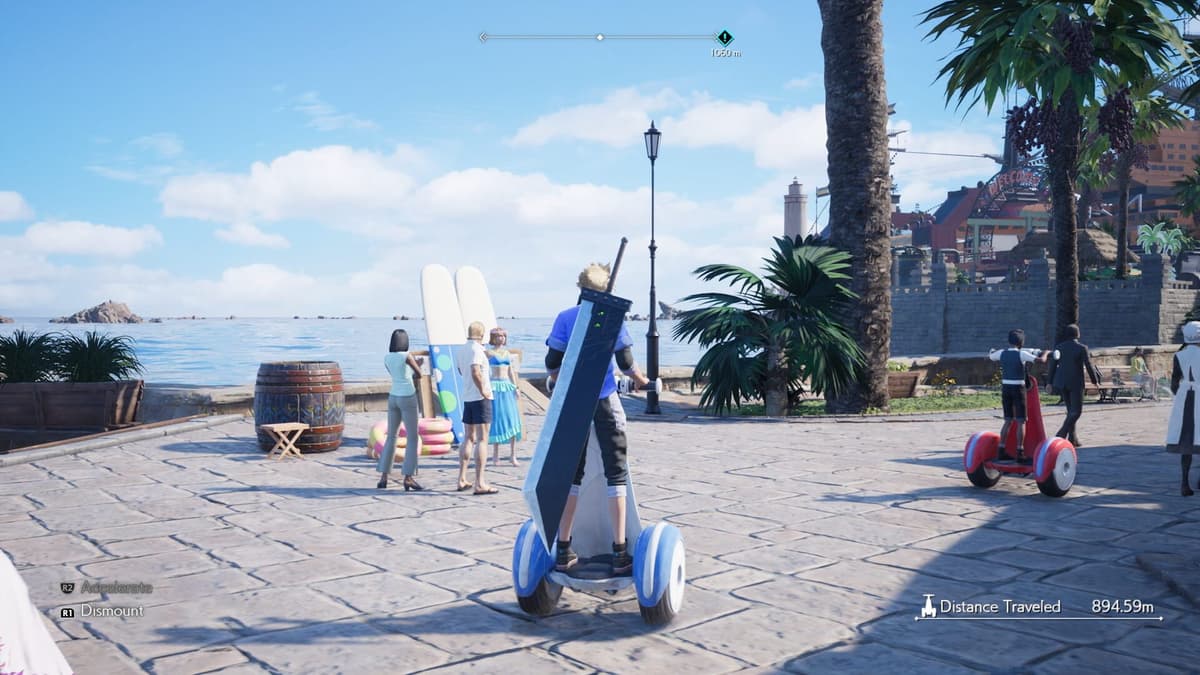
Recent comments have not cleanly confirmed that Revelation ends by hard-connecting itself to Advent Children in a direct, unavoidable continuity sense. What we’ve got is ambiguity. Deliberate ambiguity. “See for yourself” style ambiguity. That is not the same as a reveal. It is not a signature on a contract. It is a giant neon sign that says, “We know you’re arguing about this, and we are not settling it for you yet.”
And frankly, I think some players want the movie lock because it would simplify the discourse. If Revelation ends in a way that clearly funnels into Advent Children, then people can stop arguing about whether this trilogy is rewriting FF7 or rejoining it. But simplicity is exactly what this project has resisted from the start. My suspicion is that Revelation will probably include material, imagery, or emotional positioning that keeps the Advent Children conversation alive without reducing the ending to “and now the movie happens, case closed.” Square loves that kind of almost-answer. It keeps the aura intact.
- If you want to separate fanservice from actual continuity evidence, use a basic checklist.
- A visual callback, costume nod, or familiar line is not proof of a hard endpoint.
- Compilation characters or references are not the same thing as a formal continuity bridge.
- Thematic overlap with loss, guilt, or reunion does not automatically mean the film is the required next chapter.
- A real continuity lock would need clear world-state evidence, clear character-state evidence, and an ending that meaningfully positions the story after Revelation rather than merely rhyming with older material.
Until the game provides that level of specificity, I’m not treating Advent Children as anything more than a strong possibility hovering over the trilogy, not a confirmed destination. That’s not being cautious to the point of uselessness. That’s just refusing to confuse inference with fact.
Square deserves some blame for this mess
I don’t want to put all of this on fans, because Square absolutely benefits from the fog. Ambiguity is one of the company’s favorite promotional tools when it has something nostalgia-heavy to sell. Tease the old story. Disturb the old story. Refuse to clarify the status of the old story. Let the community do unpaid mythmaking for three years. Then swoop back in with another trailer full of loaded imagery. It’s effective, and I can’t even say it’s artistically dishonest, because the games themselves are genuinely interested in uncertainty. But it is still a strategy, and we shouldn’t pretend otherwise.
That’s why I’m skeptical every time someone says the debate itself proves some hidden master plan. Sometimes the debate proves only that a company found the exact pressure point where mystery turns into obsession. FF7 is especially vulnerable to this because the original means so much to so many people that every deviation feels like a referendum on personal memory. Square knows that. Hamaguchi and the team know that. They’re not tossing these phrases around in a vacuum.
The upside is that the mystery has kept the trilogy alive as more than a prestige remaster. The downside is that parts of the fan conversation have become unbearable. People are no longer talking about what scenes mean emotionally; they’re arguing like canon accountants auditing the Lifestream. That’s the dead zone I want Revelation to avoid. If the ending lands, it should land because it says something powerful about these characters, not because it finally lets one side of the subreddit declare victory.
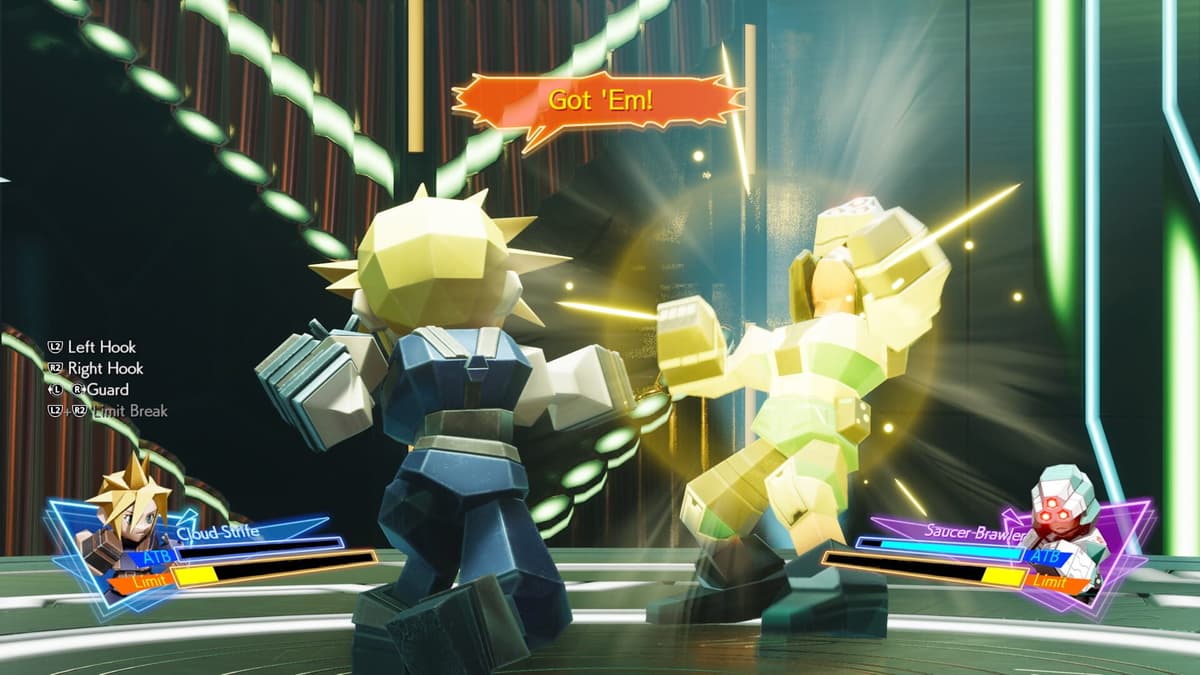
My bet: Revelation ends one story, not every argument
So here’s my line in the sand. I expect Revelation to resolve the trilogy in a single canonical way while still preserving enough ambiguity around its larger place in FF7 continuity to keep the debate alive for years. I do not expect multiple endings. I do not expect a clean on-screen legal ruling that labels the trilogy as either “direct sequel” or “totally separate universe” in the sterile terms fandom wants. And I definitely do not expect the game to spend its final hours doing dry continuity admin so everyone can update a wiki with confidence.
I expect something messier and more interesting than that: a finale that closes Cloud’s story in this remake project, answers major emotional and narrative questions, and leaves just enough interpretive space around world continuity and Advent Children that people can continue arguing without the text fully surrendering its mystique. Some fans will call that cowardly. I probably won’t, as long as the emotional payoff is strong enough to justify it. FF7 has always been at its best when the human truth is clearer than the cosmology.
If I sound like I’m lowering expectations, I’m not. I’m trying to set the right ones. There is a massive difference between “this ending should be bold and decisive” and “this ending should solve every continuity dispute in a franchise that has been narratively messy for decades.” The first is reasonable. The second is fantasy. Revelation needs to finish a story, not perform fandom exorcism.
The practical takeaway before Revelation is simple
If you’re trying to prepare yourself for Revelation without getting lost in nonsense, treat the current evidence like this: expect one ending, expect player expression inside the journey rather than at the finish line, treat “new world” as meaningful but not fully defined, and keep the Advent Children connection in the “possible, not proven” column until the game earns a stronger claim. That is the sane way to read the board right now.
More importantly, judge the finale by the standard that actually matters. Does it pay off the trilogy’s version of Cloud? Does it make its changes feel purposeful rather than gimmicky? Does it honor the weight of FF7 without being trapped by nostalgia? If Revelation nails those things, I won’t care whether it gives theory crafters a perfectly labeled continuity chart. And if it fails those things, no amount of timeline cleverness will save it.
That’s where I’ve landed after all this noise: the remake trilogy was never obligated to become a branch-heavy sequel machine, and it doesn’t need a notarized Advent Children stamp to justify itself. What it needs is the confidence to end. Not endlessly imply, not eternally tease, not hide behind “new world” poetry forever. Just end-cleanly, powerfully, and with enough conviction that players stop caring which theory “won.”
FinalBoss // Gear
Level up your setup
01Top-rated gaming headsetson Amazon→02High-refresh gaming monitorson Amazon→03Gaming chairson Amazon→04Discounted game keyson Kinguin→Affiliate links · As an Amazon Associate, FinalBoss earns from qualifying purchases.
Want to Level Up Your Gaming?
Get access to exclusive strategies, hidden tips, and pro-level insights that we don't share publicly.
Ultimate Gaming Strategy Guide + Weekly Pro Tips