
Square Enix is not just slapping HD-2D lighting on an old mobile spin-off and calling it a day. Final Fantasy Resonance, due October 22, 2026, looks like a much more calculated move: take the bones of Final Fantasy: Brave Exvius, strip out the gacha grime, rebuild it for consoles and PC, and sell it as the kind of turn-based Final Fantasy a lot of players have been asking for while the mainline series sprinted toward spectacle-action combat.
That is the useful headline. The more interesting one is this: Square Enix clearly knows there is money and goodwill left on the table in “classic” Final Fantasy, and Resonance is testing how far that appetite really goes. Not with a pixel remaster. Not with another prestige remake. With a rescued mobile narrative, rebuilt into something that wants to feel legitimate.
Table of Contents (5)
This is less a remake than a rehabilitation project
The official details make one thing clear: Final Fantasy Resonance is not being framed as a straight port of Brave Exvius, and that distinction matters. The game uses the mobile title’s first major story arc as a foundation, then folds in later material and brand-new story content. Reports around the reveal also point to expanded quests, a new overworld, airship exploration, and a much broader console-first structure.
That sounds obvious until you remember what Square Enix could have done instead. It could have shipped a thin nostalgia product aimed mainly at existing mobile fans. It could have leaned on franchise branding, put out a respectful but cheap adaptation, and trusted the logo to do the rest. Instead, the publisher is describing a ground-up rebuild with a realistic runtime estimate: roughly 30 to 40 hours for a standard playthrough, potentially stretching toward 80 for completionists. That is not “tiny side project” messaging. That is “please take this seriously” messaging.
The uncomfortable observation is that this seriousness also doubles as insurance. Brave Exvius is a closed mobile game. Its reputation is split between people who loved its surprisingly decent story and people who hear “mobile Final Fantasy” and immediately reach for the nearest exit. Resonance has to overcome that baggage before players even get to the battle screen.
The turn-based pitch is the point, not the art style
Yes, Square Enix is selling this as the first HD-2D Final Fantasy, and that will absolutely move units. Team Asano’s aesthetic has become its own trust signal at this point. If a game has that diorama look, players already assume a certain level of mechanical literacy and old-school JRPG respect. That part of the pitch is easy.
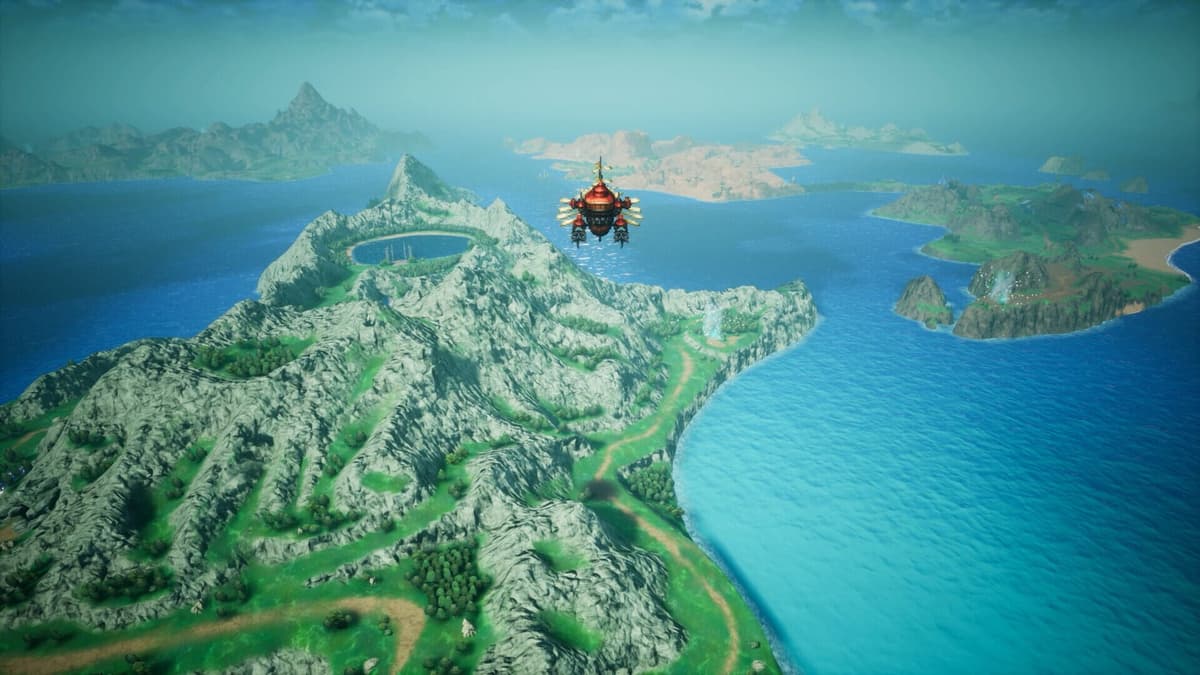
The more important detail is combat. Resonance is leaning into visible turn order, break or stagger-style pressure mechanics, elemental exploitation, Espers, and a systems-heavy structure around Visions and Resonances. In plain English: this looks like Square Enix trying to deliver a party-based, menu-driven Final Fantasy that still has enough modern friction to avoid feeling like museum glass.
That matters because the company has spent years teaching players that premium Final Fantasy means one of two things: huge-budget action RPGs or loving remakes of old hits. Resonance is carving out a third lane. It is saying there may be room for a mid-sized, mechanically traditional Final Fantasy built with modern production discipline instead of blockbuster bloat.
And frankly, that is a smarter bet than another round of discourse about whether every numbered entry needs to be more cinematic than the last. There is still an audience for clean turn order, weakness exploitation, and party building that goes deeper than “equip the strongest sword and keep moving.” Square Enix knows that. The question is whether the wider market does.
The thing PR would rather not emphasize: this still began as a gacha game
Removing the gacha hooks is the easy part. Removing the design instincts that came with them is harder.
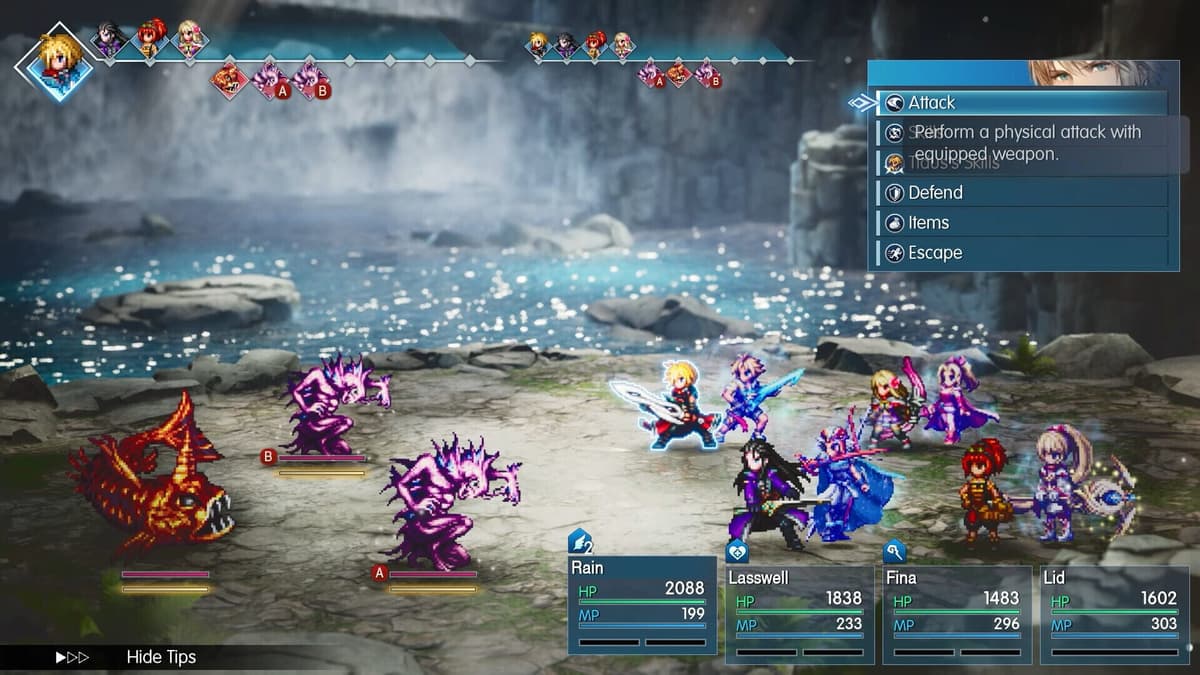
Systems like Visions can sound great in a reveal trailer: summon legacy Final Fantasy figures, customize builds, create synergies, chase powerful combinations. They can also become a polite way of saying the game is built around layered progression currencies, ability stacking, and roster fetishism inherited from a live-service economy. There is nothing inherently wrong with that, but players should absolutely be watching how streamlined this feels in practice.
The same goes for story structure. Mobile RPGs are often good at momentum in short bursts and bad at clean pacing across a full premium campaign. Square Enix says it is adding original content and folding in later updates, which could make this version feel definitive. It could also make it feel like three story plans stitched together with expensive lighting. Both outcomes are possible.
If I were in the room with the PR team, the question would be simple: what exactly did you cut, not just what did you add? Because rebuilds live or die on subtraction. You do not prove console ambition by preserving every bit of mobile excess in higher resolution.
Why this matters beyond one spin-off
The broader significance here is that Square Enix seems to be stress-testing its own catalog strategy. For years, the company has had a weirdly fragmented relationship with its back catalog: premium remakes over here, remasters over there, mobile-only side stories off in a corner, and a constant background hum of “please understand our release structure” from fans trying to keep up.
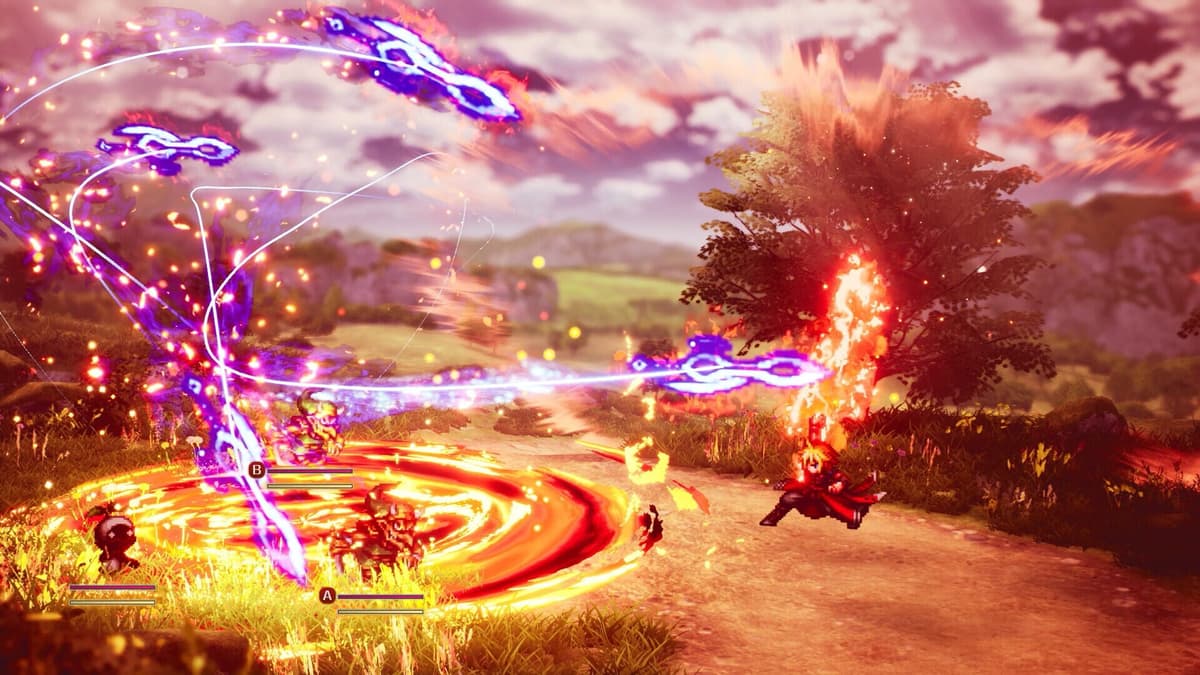
Final Fantasy Resonance suggests a cleaner idea. Take material that would otherwise stay trapped in a dead or aging platform ecosystem, rebuild it around modern expectations, and package it with enough craft that players who skipped the original do not feel like they are doing homework. That is a better use of this franchise than endlessly strip-mining the same handful of sacred cows.
It also helps that the release is broad. Current reporting points to launch on Nintendo Switch 2, Nintendo Switch, PlayStation 5, Xbox Series X|S, and PC on October 22, 2026. That kind of platform spread tells you Square Enix wants this judged as a real release, not a niche curiosity tucked into one ecosystem.
What to watch before October 22
- How clean the progression systems look in extended gameplay. If menus start smelling like retired gacha scaffolding, players will notice immediately.
- Whether Square Enix shows uninterrupted exploration and dungeon footage, not just combat highlights. The new overworld and airship travel are part of the sales pitch, so they need to hold up.
- How the story is framed in previews closer to launch. “Expanded” is not automatically better; pacing will matter more than volume.
- Pricing and edition messaging. If Square Enix wants this treated like a serious mid-tier Final Fantasy, the value proposition needs to match.
Right now, Final Fantasy Resonance looks like one of Square Enix’s more sensible ideas in years: use HD-2D to give a discarded branch of the franchise a second life, put turn-based combat back in the spotlight, and aim it at players who are tired of being told nostalgia and modern design can’t coexist. The catch is that this game does not get judged on concept alone. It gets judged on whether it feels like a real Final Fantasy rebuild or an unusually expensive way to recycle mobile assets.
That distinction will decide whether Resonance becomes a one-off curiosity or the template Square Enix keeps coming back to.
FinalBoss // Gear
Level up your setup
01Mobile gaming controllerson Amazon→02Top-rated gaming headsetson Amazon→038BitDo controllerson Amazon→
Affiliate links · As an Amazon Associate, FinalBoss earns from qualifying purchases.
Want to Level Up Your Gaming?
Get access to exclusive strategies, hidden tips, and pro-level insights that we don't share publicly.
Ultimate Gaming Strategy Guide + Weekly Pro Tips