
Final Fantasy Tactics – The Ivalice Chronicles: Classic Soul, Modern Upgrades, Real Questions
Game intel
Final Fantasy Tactics: The Ivalice Chronicles
This dramatic tale of ambition, betrayal, and honor comes to life again with an updated and enriched script with fully voiced dialogue, alongside improved grap…
Why This Caught My Eye
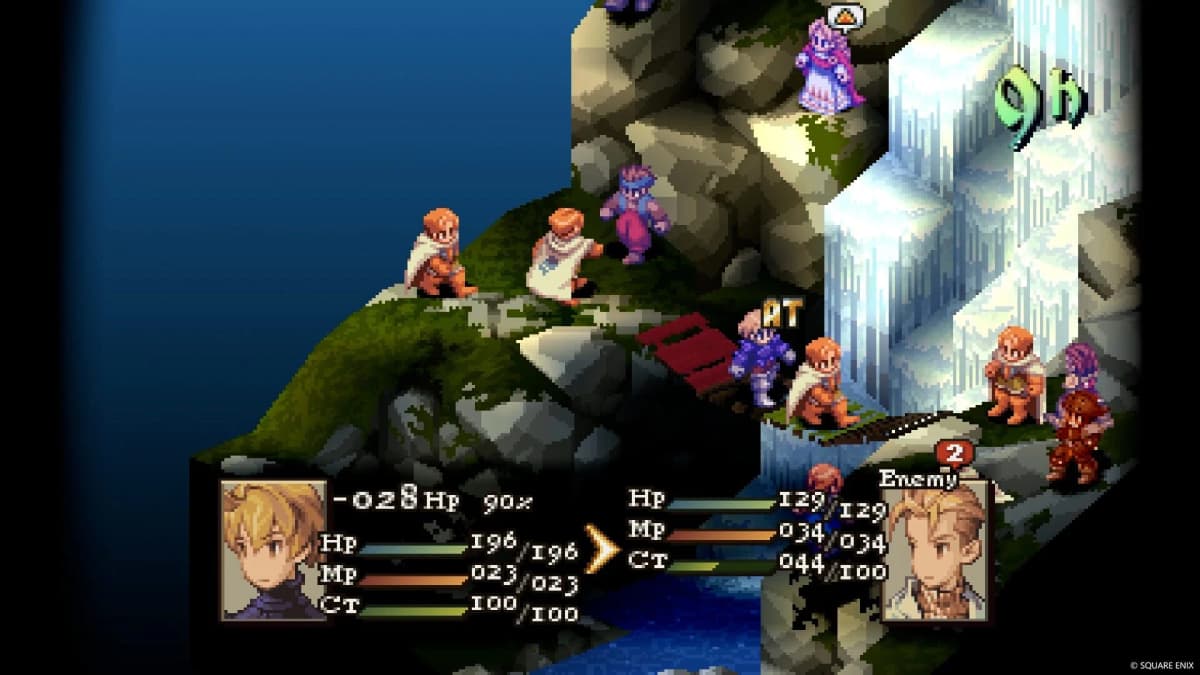
Final Fantasy Tactics is one of those games that rewired how I think about RPGs-politics that mattered, a job system that begged for experimentation, and battles that punished sloppy positioning. So when Square Enix dropped The Ivalice Chronicles across basically every platform-Switch 2, Switch, PS5/PS4, Xbox Series, PC/Steam Deck-my first reaction was excitement followed by the usual remake skepticism. This isn’t a straight port: it’s a modernized package with updated visuals, a revised script, full voice acting, a new State of the Realm system, and quality-of-life tools, plus the option to play a Classic mode anchored to the War of the Lions translation. That mix is smart. The question is whether the changes respect the razor-edged tactics and tone that made FFT a classic.
Key Takeaways
- Two modes matter: Enhanced (new UI, added dialogue, full voice acting, QoL) and Classic (War of the Lions translation, faithful feel).
- New State of the Realm feature should clarify Ivalice’s labyrinthine politics—think a living codex for the war map.
- $49.99 is a mid-tier price that tracks with Tactics Ogre: Reborn—reasonable if execution lands, steep if the changes divide fans.
- No explicit balance changes were highlighted; job system wildcards like Arithmetician and Orlandeau could still shatter difficulty.
Breaking Down the Announcement
The Ivalice Chronicles ships with over 20 jobs and hundreds of abilities—the core that turned lunch breaks into six-hour theorycrafting sessions. Square Enix’s pitch is “play it how you want”: the Enhanced version layers in modern UI, voice acting, added conversations, fast-forward, and autosave. Classic mode courts purists, aligning with the respected War of the Lions script rather than the muddier original PS1 localization. It’s a clean fork that acknowledges two audiences: newcomers who want a contemporary presentation and veterans who remember casting Holy under a roof, counting tiles in their sleep.
Platform coverage is generous: Nintendo Switch 2 and the original Switch, PS5/PS4, Xbox Series X|S, and PC via Steam/Steam Deck. That matters because FFT is perfect pick-up-and-play tactics, and handheld modes are where I sunk most of my time on PSP. The price lands at $49.99—right where Square placed Tactics Ogre: Reborn. Value will hinge on how meaningful the narrative additions and QoL tools feel in practice.
The Real Story: Script, Voices, and State of the Realm
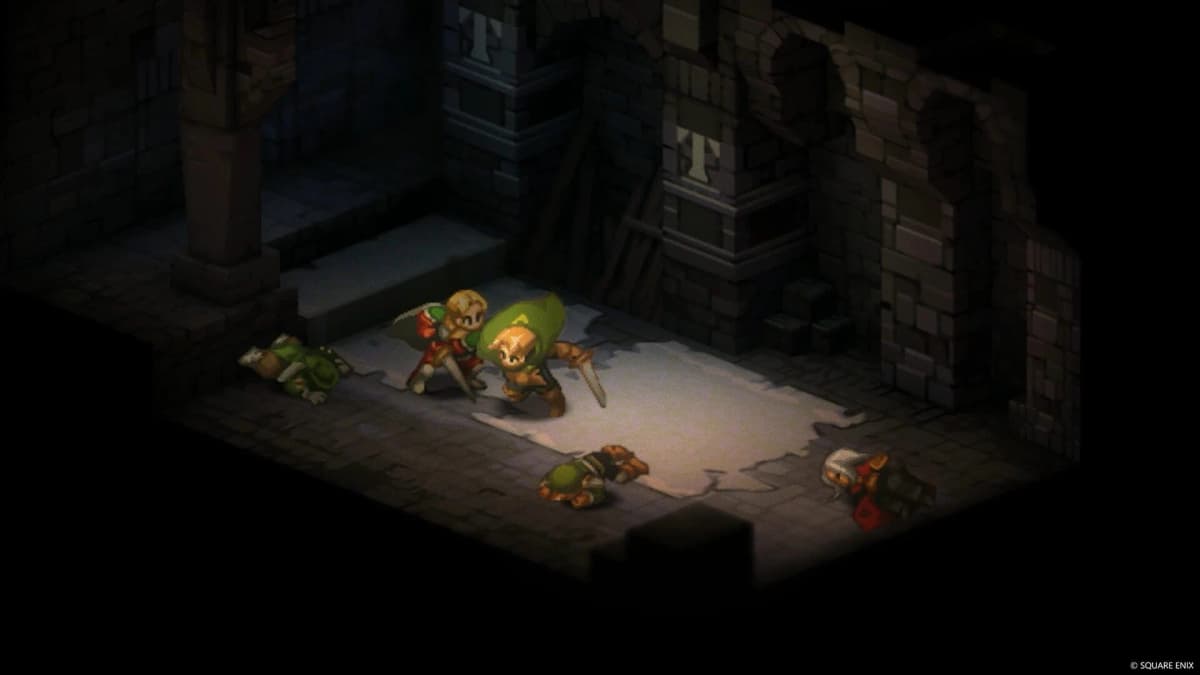
This is more than a visual tidy-up. Full voice acting is a big swing for a story built on political betrayal and class struggle. Get it wrong, and you sand down the sharp edges; get it right, and scenes like Ziekden or the Church reveals hit even harder. The cast includes Joe Pitts (Ramza), Gregg Lowe (Delita), and a handful of Final Fantasy VII remake actors making cameos as Cloud and the Flower Peddler—nice nods to the original’s secret guest spots without turning the game into a crossover circus. I’m glad Yasumi Matsuno is credited on script/editorial; having the original architect involved usually keeps tone and cadence aligned.
The State of the Realm system is the sleeper feature. If it functions like a war chronicle—tracking factions, controlling houses, and shifting fronts—it could solve the exact problem that loses newcomers: Ivalice’s politics are dense, and in the PS1/PSP days you either kept notes or hoped you remembered who controlled Lesalia last chapter. Triangle Strategy used a similar archive to good effect; FFT benefits even more because its plot is less hand-holdy and more Machiavelli. If this tool also re-surfaces character relationships after time skips, that’s a material usability win.
FinalBoss // Gear
Level up your setup
01Retro consoleson Amazon→028BitDo controllerson Amazon→03Capture cards (Elgato & more)on Amazon→04Discounted game keyson Kinguin→Affiliate links · As an Amazon Associate, FinalBoss earns from qualifying purchases.
Gamer Impact: QoL vs Purity
Fast-forward and autosave are the right kind of modern. FFT battles can stretch long, and the PSP’s notorious slowdown made spellcasting feel like wading through treacle. A speed toggle won’t change AI, but it does trim the downtime between smart decisions. Autosave should reduce the “whoops I wiped to a story ambush” pain, especially for newer players hitting milestones like the mid-game monastery fights.
What Square Enix didn’t highlight is equally important: balance. The job system’s freedom is the magic, but it also creates exploits that nuke tension—Blade Grasp absurdity, Arithmetician’s screen wipes, and Orlandeau’s “press attack to win.” If Enhanced mode doesn’t tune anything, veterans will still have to self-police builds to keep the late game interesting. That’s fine by me—I prefer the sandbox left open—but it’s worth flagging for players expecting a modernized challenge curve. UI clarity and text legibility on handheld screens are also make-or-break; Tactics lives and dies by readable tiles, height markers, and turn order previews.

Want to Level Up Your Gaming?
Get access to exclusive strategies, hidden tips, and pro-level insights that we don't share publicly.
Ultimate Gaming Strategy Guide + Weekly Pro Tips
How It Stacks Up in 2025
Square’s recent tactics track record is mixed but promising: Tactics Ogre: Reborn delivered smart QoL with some contentious presentation choices; Triangle Strategy proved there’s a hunger for politically charged SRPGs. The Ivalice Chronicles sits between preservation and reinterpretation. The Enhanced/Classic split is the best compromise I’ve seen from Square in years—it respects the original while letting the team experiment with voice, UI, and story scaffolding. At $49.99, it needs to feel definitive on at least one axis: either the Enhanced package becomes the new gold standard, or Classic mode runs flawlessly with modern comforts and clean visuals.
What I’m Watching Post-Launch
- Performance and input latency across platforms, especially Switch and Steam Deck during effect-heavy turns.
- UI scaling on 4K displays vs handheld readability for tile heights, CT bars, and tooltips.
- Audio mixing—do voices sit well with the iconic score, or drown it?
- Script tone: are the added conversations additive or intrusive to pacing?
- Any quiet balance nudges to late-game jobs or reaction abilities.
TL;DR
The Ivalice Chronicles looks like the most respectful modernization FFT has ever had, letting you choose between a voice-acted Enhanced mode and a faithful Classic track. At $49.99, the value comes down to execution—if State of the Realm clarifies the politics and the QoL cuts the grind without dulling the blade, this could be the definitive way to play one of the best tactical RPGs ever made.