
Table of Contents (5)
Why the Switch 2 release mattered more than you might think
This caught my attention because Final Fantasy VII Remake Intergrade isn’t a brand-new release-it’s a multi-year franchise title getting another port-and yet a Switch 2 launch sent it surging back into the January sales conversation. Circana’s January 2026 charts, shared by analyst Mat Piscatella and reported by NintendoLife, show how a well-timed platform release can vault an older game into the top ranks almost overnight.
- New Switch 2 release pushed Final Fantasy VII Remake Intergrade to #2 on Nintendo platforms and to #9 overall in Circana’s January premium-game chart.
- Combined Switch 2 and Xbox ports explain a dramatic jump from #225 to #9 after the launches.
- Hardware momentum matters: US hardware spending rose 16% to $248M in January, with PS5 still leading and Switch 2 second-platform health feeds software surges.
What the charts actually show
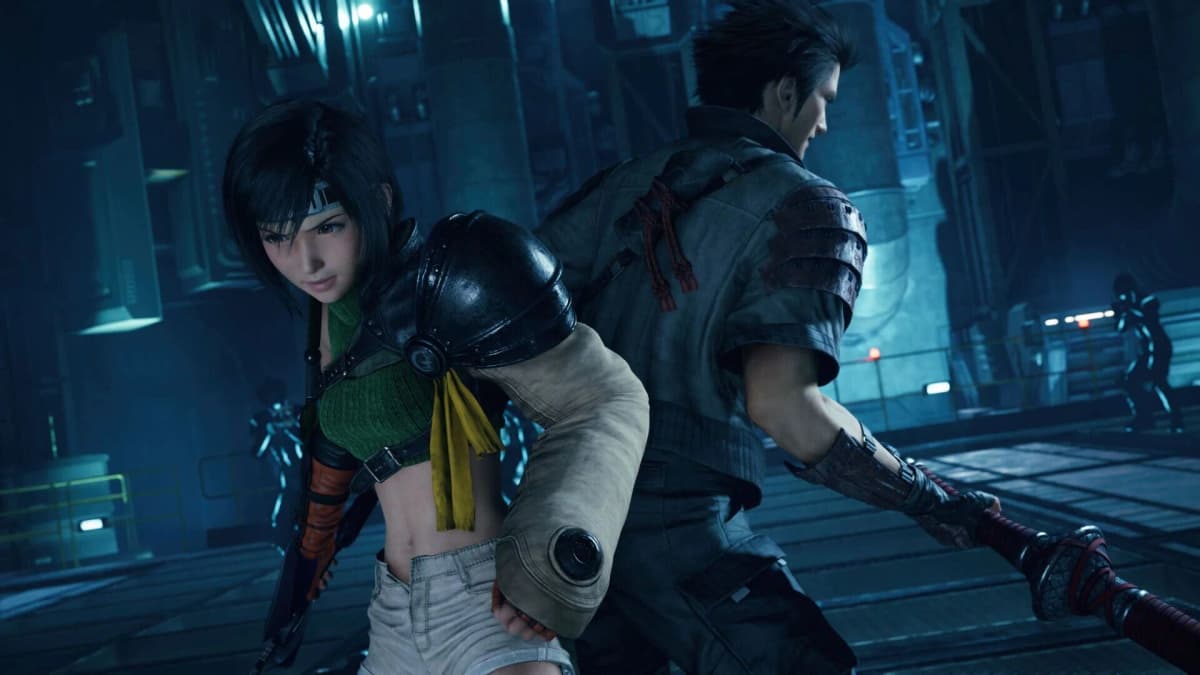
Circana’s revenue-based charts for January 2026 (as posted by Mat Piscatella and relayed by NintendoLife) put Final Fantasy VII Remake Intergrade at #2 on Nintendo platforms, behind Pokémon Legends: Z-A and ahead of Donkey Kong Bananza. Across all platforms it climbed from a sleeper spot in December (#225) to #9 in January after the combined Switch 2 and Xbox releases. On Xbox-specific revenue rankings the title sits lower—around #7—behind the usual suspects like sports franchises, Minecraft, Battlefield 6 and Call of Duty: Black Ops 7, which dominated the month.
Two chart mechanics are worth flagging for readers: these are revenue charts (the Remake’s premium price point matters) and Nintendo’s reporting excludes first‑party digital sales in the platform-specific list, which can skew comparative positions. Multiple outlets referencing Circana’s numbers are consistent on the Remake’s #2 Nintendo placement and the overall top‑20 jump.
Why Switch 2’s timing amplified the effect
Hardware context amplified the software bounce. Circana’s data shows US hardware spending rose 16% year-over-year to about $248 million in January. PlayStation 5 still led in units and dollars, but the newly launched Switch 2 claimed second place—enough platform momentum to help a heavyweight like FF7 Remake re-enter buyer consideration. That combination—an established IP, a fresh platform audience, and active hardware buying—creates a multiplier for revenue-ranked charts.
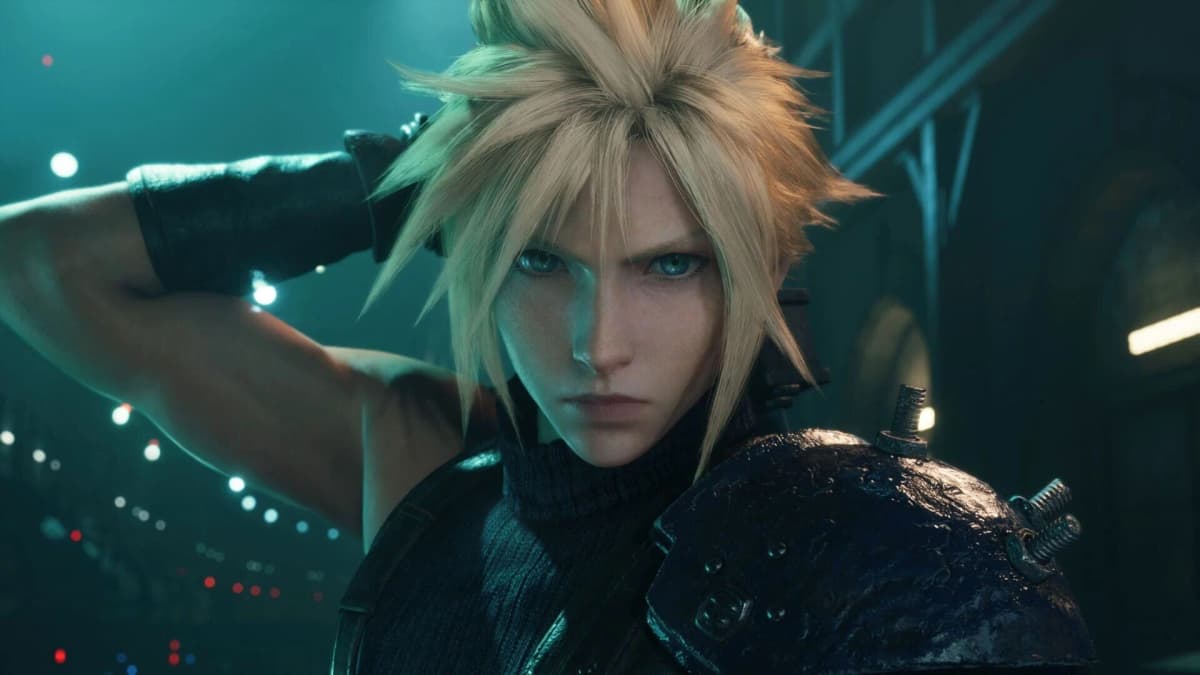
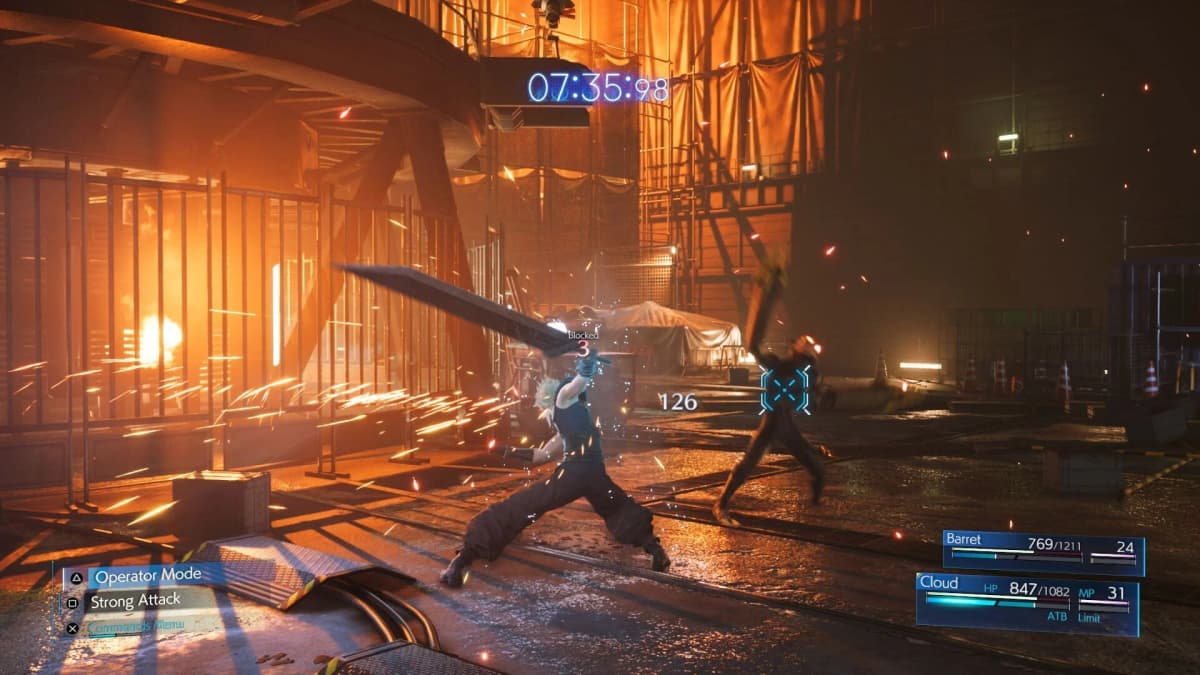
Technical performance also matters for word-of-mouth and reviews. Digital Foundry’s Switch 2 analysis (published around the same time) praised the port’s visuals—DLSS-like upscaling, PS5-comparable textures and lighting in many scenes—and steady 30fps performance with fast load times. The caveats matter, too: visible PS4-era assets, occasional cutscene frame drops and handheld artifacts were noted. In short: the Switch 2 version is good enough to convert hesitant buyers, but not flawless tech worship material.
What this means for Square Enix, Nintendo and players
For Square Enix, ports keep the money flowing and breathe new life into older releases while they work on new entries. There’s industry chatter—unverified by the publisher—about cumulative sales nudging toward major milestones, but no official lifetime numbers yet. For Nintendo, Switch 2 showing up as a true second-place hardware force demonstrates the platform can still alter software landscapes even against a mature PS5 install base.
From a player perspective, this is practical: if you were waiting for a Switch 2-friendly release schedule to justify buying hardware, seeing a high-profile RPG like FF7 Remake perform on the new machine validates both the library and the technical viability. The port’s quality, combined with the revenue bump, suggests the Switch 2 version isn’t merely a cash grab—though Square Enix’s repeated ports do raise questions about prioritizing new content versus long-tail monetization.
What to watch next
- Square Enix comments or sales announcements that confirm whether ports are materially boosting lifetime totals.
- Circana’s February charts for signs the Remake sticks in the top 20 or reverts once initial Switch 2 demand cools.
- Switch 2 attach-rate reporting and whether Nintendo’s early library continues to deliver similar lift for other third-party titles.
TL;DR: The Switch 2 port of Final Fantasy VII Remake Intergrade is a textbook example of platform timing driving sales. The port’s decent technical showing combined with fresh hardware momentum produced a visible chart jump—proof that re-releases still matter when the platform mix and pricing line up.
FinalBoss // Gear
Level up your setup
01Retro consoleson Amazon→028BitDo controllerson Amazon→03Capture cards (Elgato & more)on Amazon→04Discounted game keyson Kinguin→Affiliate links · As an Amazon Associate, FinalBoss earns from qualifying purchases.
Want to Level Up Your Gaming?
Get access to exclusive strategies, hidden tips, and pro-level insights that we don't share publicly.
Ultimate Gaming Strategy Guide + Weekly Pro Tips