
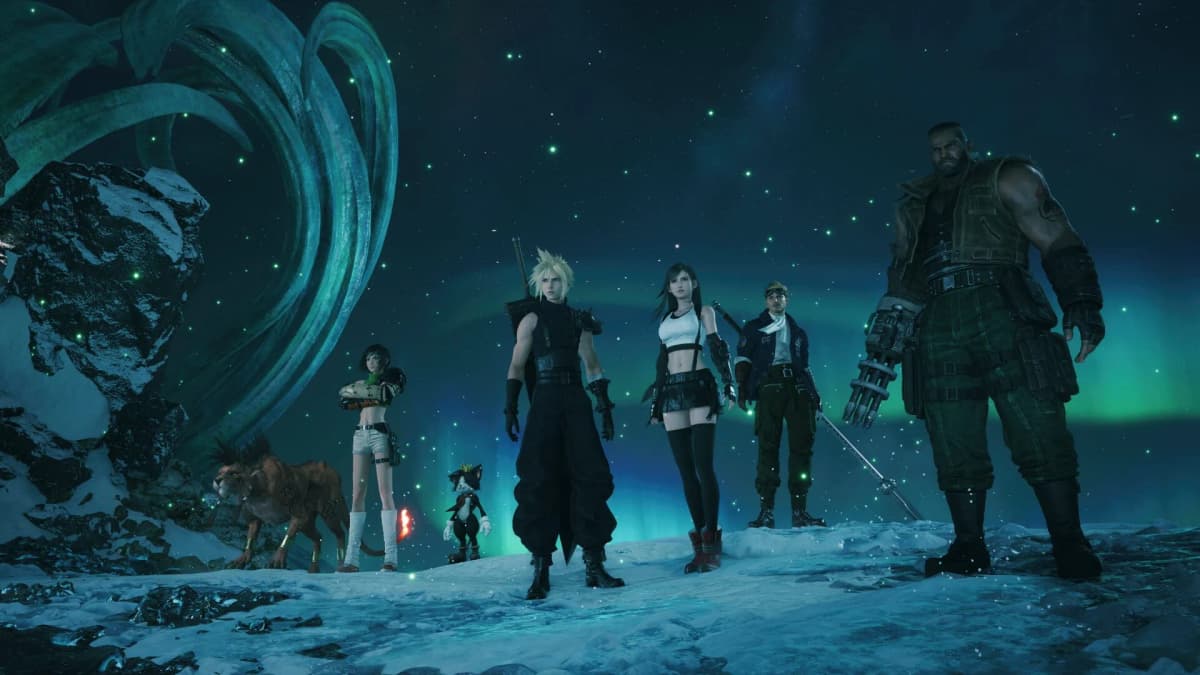
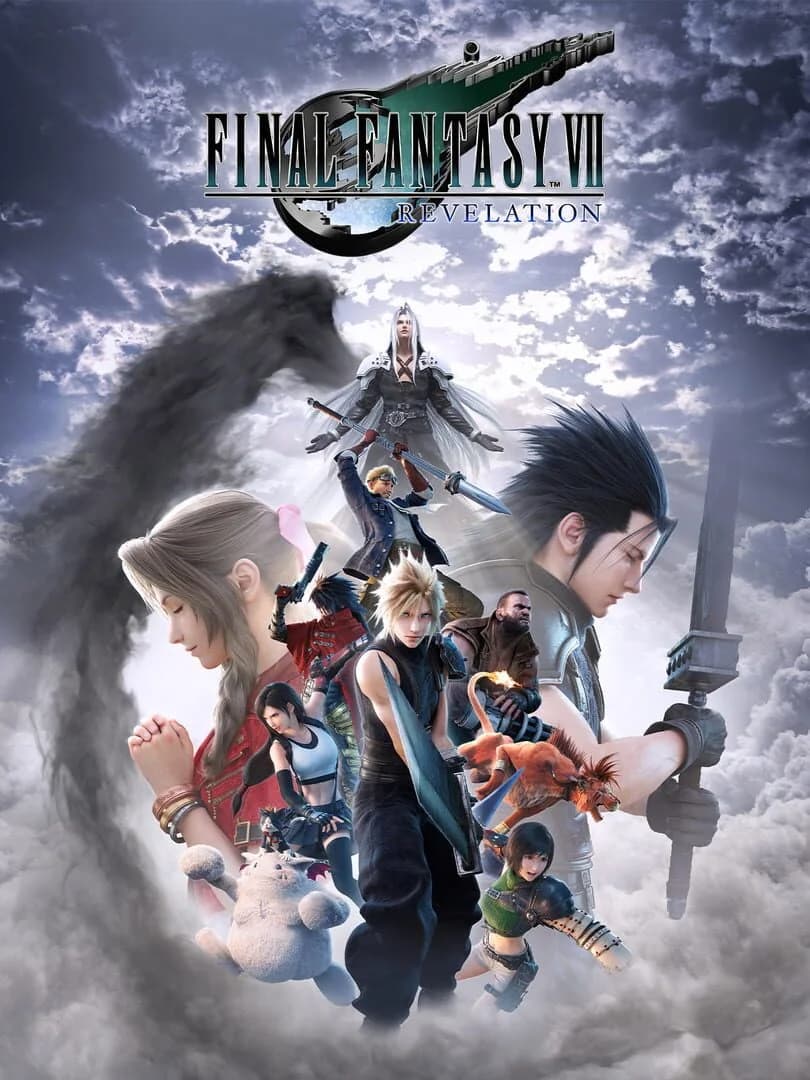
Square Enix has finally given itself a rule it must obey: Final Fantasy VII Revelation has to carry the ending in its base game. No emergency epilogue, no “real conclusion” hidden in a later expansion, and no loose thread deliberately left dangling so the trilogy can keep limping forward under a different label.
Naoki Hamaguchi’s framing is refreshingly direct. Revelation, the third and final game in the Final Fantasy VII Remake trilogy, will conclude the main story. Any DLC would be a character-focused spin-off built around an untold story, in the spirit of Episode Intermission. That is a smart promise. It is also a promise that instantly makes several obvious DLC ideas look like bad ideas.
I want more of this world after Revelation lands in Spring 2027 across PlayStation 5, PC, Nintendo Switch 2, and Xbox Series X|S. I do not want Square Enix treating post-launch content as an excuse to smuggle a fourth act into a trilogy that has already spent years expanding every emotional beat, every mystery, and every familiar face. The best DLC lane is Vincent Valentine by a mile. Zack Fair can work under tight discipline. Sephiroth and SOLDIER material need a leash. Anything built around Ever Crisis connections belongs at the bottom of the pile.
Table of Contents (6)
Vincent Valentine is the DLC Square Enix should make first
Vincent has the cleanest claim because his story naturally lives beside the trilogy rather than underneath it. He carries decades of history with Shinra, Hojo, Lucrecia, the Secret of the Ancients, and Chaos. That sounds like a lot of lore, and it is, yet the material has something most potential expansions lack: a self-contained emotional center.
A Vincent story does not need to revise Cloud’s ending, explain the final fate of the world, or reopen whatever emotional wounds Revelation is meant to close. It can follow one missing chapter from Vincent’s past or one present-day mission through the remains of Shinra’s legacy. Give it a gothic tone, a concentrated mystery, and a threat that belongs specifically to Vincent. That is an expansion with a reason to exist.
More importantly, Vincent offers the mechanical justification that story-only add-ons often lack. Episode Intermission worked because Yuffie brought a distinct rhythm to combat rather than merely walking players through extra cutscenes. Vincent could do the same. His gunplay, transformations, and darker supernatural baggage give Square Enix room to build a combat identity that feels separate from the full-party spectacle of Revelation.
That distinction matters. A proper side story should leave players with a different memory of play, not the feeling that they spent several hours collecting trivia the main game declined to include. Vincent can carry an atmospheric, combat-heavy campaign with its own beginning, middle, and end. He is the rare candidate whose fan appeal, lore, and gameplay potential all point in the same direction.
Zack deserves a chapter, not another timeline machine
Zack is the tempting second choice because the demand is obvious. He has enormous emotional weight in this version of the Final Fantasy VII story, and he is already too important to dismiss as a simple bonus character. A short Zack campaign could give players more action, more personality, and a focused view of one piece of his journey that the main game deliberately leaves offscreen.
The danger is equally obvious. Zack is tied to the remake trilogy’s biggest structural complications. Every extra scene involving him carries the risk of becoming more timeline homework: another explanation, another implication, another reason to argue that the ending was only provisional after all. That would be a spectacularly stupid way to follow a public promise of closure.
The version worth making is narrow. Pick one mission, one route, or one memory fragment. Let Zack be Zack: determined, warm, reckless, and painfully human. Give the chapter a complete dramatic arc, then leave the trilogy’s ending alone. His DLC should deepen attachment to the character, not force players to redraw the entire narrative diagram hanging on their wall.
That is the dividing line Square Enix needs to respect. Vincent’s story can run parallel to the ending. Zack’s story can brush against it. Neither should become an instruction manual for understanding it.
The DLC options, ranked by whether they respect Revelation’s ending
| DLC path | What earns its place | How it goes wrong | My verdict |
|---|---|---|---|
| Vincent Valentine | His Shinra, Hojo, Lucrecia, Chaos, and Secret of the Ancients history supports a compact standalone story with a distinct combat style. | Turning the campaign into a full recap of every piece of Vincent lore. | Best choice. Make this first. |
| Zack Fair | Huge emotional pull, strong action potential, and room for one focused untold mission. | Using the chapter to keep multiverse questions alive after the main story closes. | Strong second choice, with strict limits. |
| SOLDIER or Sephiroth | A contained Shinra operation or a lesser-known SOLDIER perspective could add texture to the world. | Re-litigating Sephiroth’s role and weakening the finality of Revelation. | Possible, but creatively dangerous. |
| Ever Crisis-adjacent material | A single character story with one clear dramatic purpose could work. | Becoming a compilation reference parade with no emotional reason to exist. | Last resort. |
Sephiroth is the bait Square Enix has to resist
A Sephiroth-focused expansion would attract attention instantly. That is precisely why it is dangerous. Sephiroth already sits at the gravitational center of the trilogy’s conflict. Revelation is built around bringing that conflict to its conclusion. Returning to him immediately after the credits would make the ending feel less like an ending and more like an intermission before the next lore dump.
There is one version of this idea I can accept: a sharply contained SOLDIER chapter that uses an underexplored perspective. A black-ops operation, a Nibelheim-era mission, or a story centered on a lesser-known SOLDIER could show the ugliness of Shinra’s military machine without demanding that Sephiroth become the protagonist again. The world has room for that. The trilogy’s climax does not need further annotation.
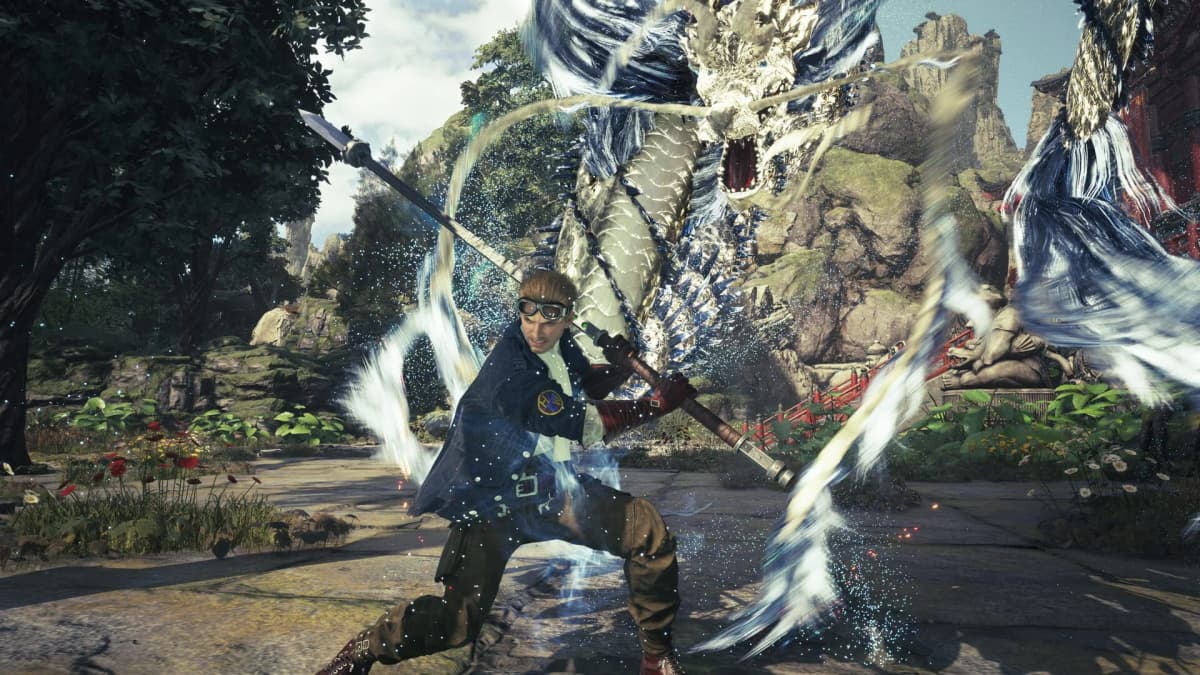
The test is brutal and simple. If the expansion changes how players are supposed to interpret the ending of Revelation, it has failed its purpose. Hamaguchi’s position only works if the base game remains complete in the hands of every player who finishes it. DLC can enrich that experience. It cannot become a missing page from the final chapter.
Ever Crisis connections are where fan service turns into clutter
Ever Crisis-adjacent hooks are the easiest way to confuse “more Final Fantasy VII” with “more story worth telling.” The compilation has enough characters, incidents, and historical fragments to feed expansions for years. That abundance is a trap. A DLC exists to tell one good story, not to function as a museum wing for every reference Square Enix can fit through the door.
I am especially wary of any expansion that exists mainly to bridge material from Dirge of Cerberus, Advent Children, or the wider compilation into the remake continuity. Those connections can be useful seasoning for a Vincent campaign because Vincent has a direct personal stake in them. They become exhausting when the reference itself is the whole pitch.
The rule should be one character, one dramatic problem, and one complete resolution. Any concept that needs a checklist of old names to justify itself is already drifting toward bloat. Players do not need another encyclopedia entry with boss fights attached.
Closure only means something if Square Enix protects it
There is nothing wrong with wanting DLC after a major RPG ends. The problem starts when a publisher treats an ending as a soft suggestion. Final Fantasy VII Revelation has a rare chance to avoid that nonsense. Square Enix can finish the remake trilogy in the base game, then offer smaller stories that stand beside it with confidence.
- Vincent should lead the first expansion because his history supports a self-contained gothic story and a fresh combat identity.
- Zack can lead a shorter chapter if Square Enix refuses to turn him into a device for reopening timeline questions.
- SOLDIER material needs a new perspective and a limited mission, with Sephiroth kept firmly out of the center.
- Ever Crisis material should only enter the conversation when it serves a specific character story rather than a nostalgia checklist.
The more these expansions behave like a wish list, the less they behave like stories. Make Vincent first. Keep Zack contained. Leave Sephiroth’s finale where Revelation puts it.
FinalBoss // Gear
Level up your setup
01Top-rated gaming headsetson Amazon→02High-refresh gaming monitorson Amazon→03Gaming chairson Amazon→04Discounted game keyson Kinguin→
Affiliate links · As an Amazon Associate, FinalBoss earns from qualifying purchases.
Want to Level Up Your Gaming?
Get access to exclusive strategies, hidden tips, and pro-level insights that we don't share publicly.
Ultimate Gaming Strategy Guide + Weekly Pro Tips