
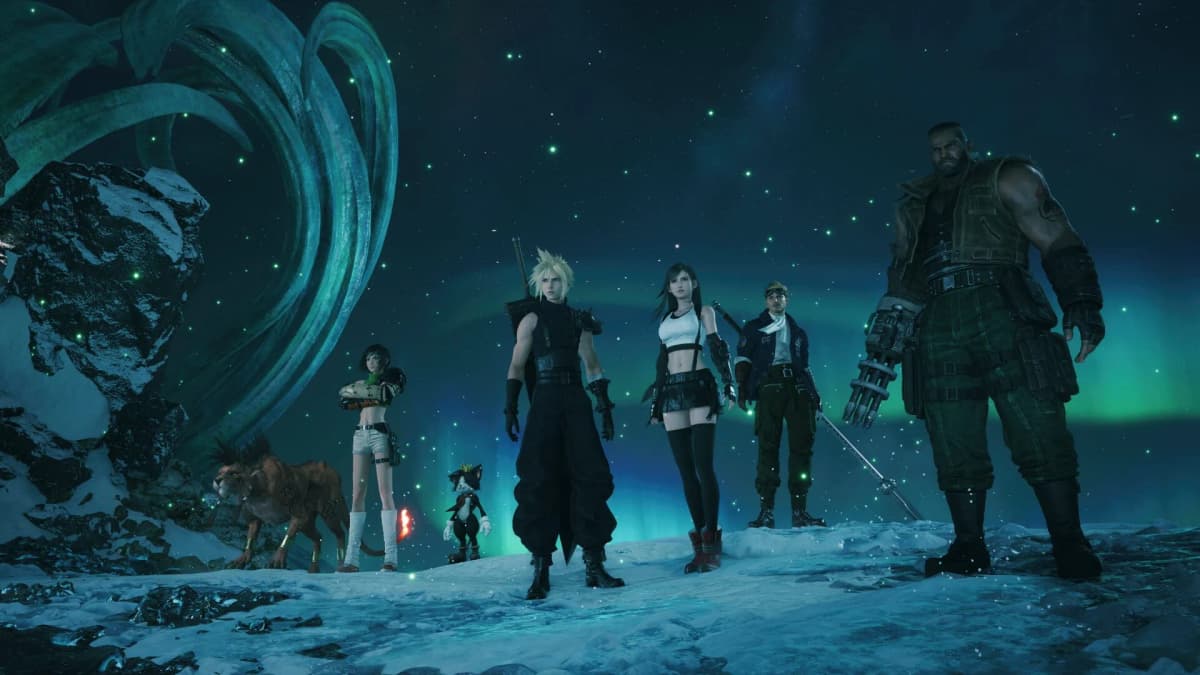
Final Fantasy VII Revelation has to land the whole thing. Director Naoki Hamaguchi says the remake trilogy’s story will conclude in the main game, with no fourth entry planned to mop up loose ends later. That makes Revelation less of a setup machine and more of a genuine final exam for Square Enix’s biggest remake project.
The useful news for players is simple: do not budget for a Part 4, and do not wait for DLC to provide the “real” ending. Revelation is targeting spring 2027 for PlayStation 5, PC, and Nintendo Switch 2, and the core narrative is meant to stand complete when its credits roll.
Table of Contents (4)
The finale has to carry three games of baggage
That sounds obvious until you consider how much narrative debt Final Fantasy VII Remake and Final Fantasy VII Rebirth have accumulated. The first game expanded Midgar into a full release. The second built a massive middle act around party relationships, open-world detours, and mysteries that were deliberately left hanging. Revelation has to close the Northern Crater endgame, give its full party meaningful payoffs, and deliver a Sephiroth finale that does not require another 80-hour sequel to explain what players just watched.
That is the uncomfortable part of the trilogy format. Remake and Rebirth could afford to defer answers. Revelation cannot. If Square Enix wants players to remember this project as a complete reimagining rather than an extremely expensive cliffhanger, its pacing needs to become more decisive than either previous entry.
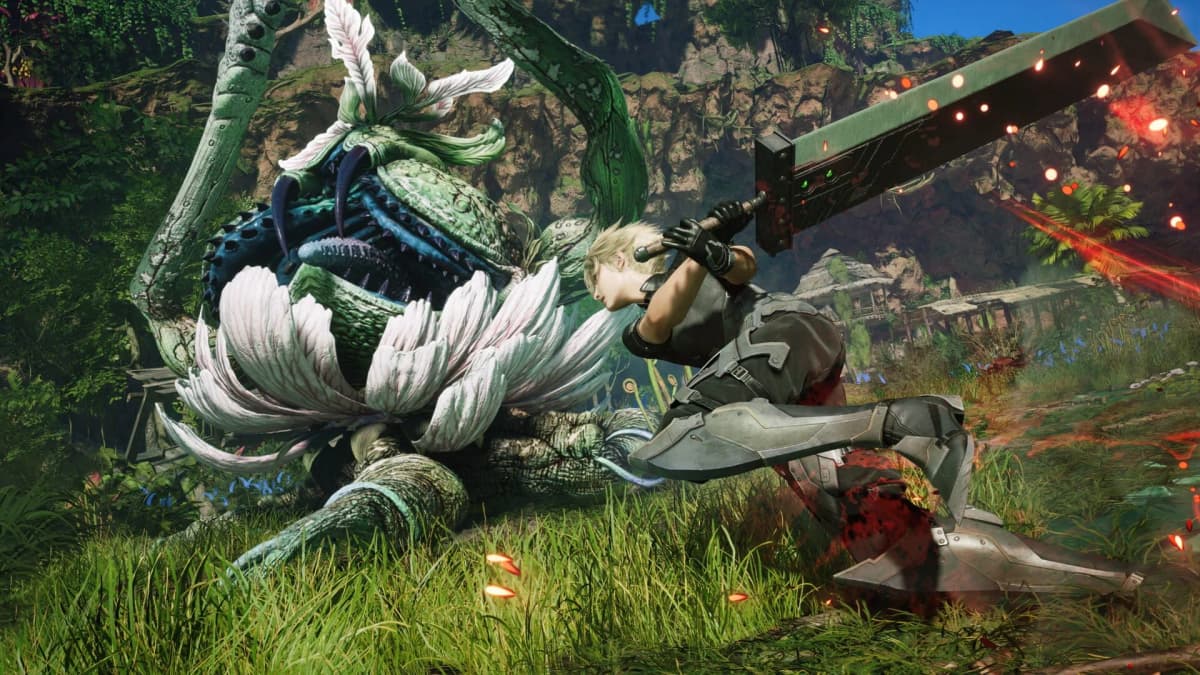
Hamaguchi has also indicated that the trilogy is headed toward a singular ending. Players can still expect moments of uncertainty on the road there — the series has made an entire hobby out of making familiar events feel unstable — but there is little reason to expect radically branching finales or competing canon outcomes. Square Enix is choosing an answer. It now has to make that answer stick.
DLC sounds like Episode Intermission, not a missing chapter
Hamaguchi has left the door open to post-launch DLC if there is genuine demand, but his description matters. The likely model is a character-focused “untold story,” similar in concept to Yuffie’s Episode Intermission, rather than a major continuation that rewrites or completes Revelation’s ending.
That is a healthier promise than the industry’s usual “the ending will arrive later” routine. A focused Vincent, Cid, or other party-member episode could add backstory, combat challenges, or a different perspective without holding the main game hostage. It also means players should judge Revelation as a complete product at launch. Optional side stories can enrich a finale; they cannot be allowed to become the patch notes for one.
Finish Rebirth if you want the full payoff
Anyone planning to play Revelation at launch should finish Remake Intergrade and Rebirth beforehand, including the major character-centric side content. Square Enix has spent two games investing in this version of the party, and Revelation’s ending will be asked to cash those emotional checks.
Players who only care about the final destination have a different calculation: wait for Revelation, but do not assume a later full sequel will change the shape of the story. Hamaguchi’s message removes that ambiguity. The trilogy is the package.
What to watch before spring 2027
- A firm spring 2027 release date, which will tell players how much runway remains for a replay of the first two games.
- Details on party composition and how fully Vincent and Cid fit into combat and story progression.
- A clearer explanation of Revelation’s Highwind exploration structure, since scale is only useful if the finale can keep moving.
- Any post-launch announcement that defines DLC as a side story rather than quietly reopening the main plot.
The key test is brutally straightforward: when Revelation ships, its ending must feel earned without an asterisk promising that the important bits are coming later. Hamaguchi has set that expectation himself. Good. Square Enix should be held to it.
FinalBoss // Gear
Level up your setup
01Top-rated gaming headsetson Amazon→02High-refresh gaming monitorson Amazon→03Gaming chairson Amazon→04Discounted game keyson Kinguin→
Affiliate links · As an Amazon Associate, FinalBoss earns from qualifying purchases.
Want to Level Up Your Gaming?
Get access to exclusive strategies, hidden tips, and pro-level insights that we don't share publicly.
Ultimate Gaming Strategy Guide + Weekly Pro Tips