
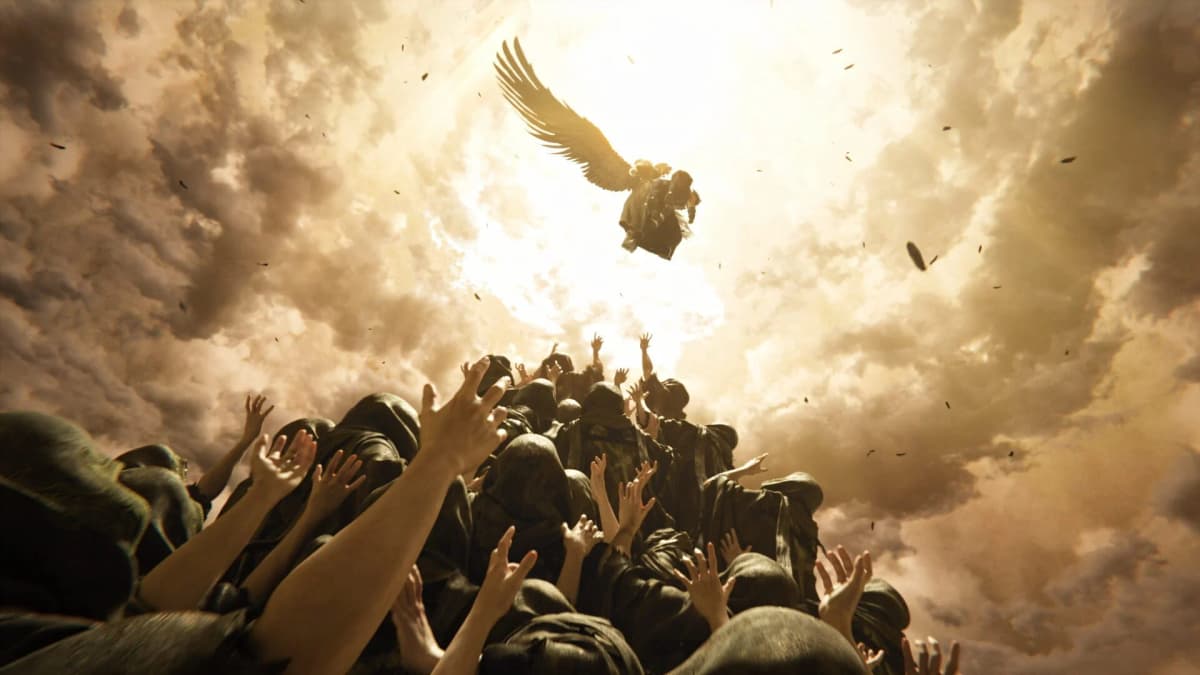
“Third and final entry” and “an ever-evolving future” are a deliberately awkward pair of promises. Square Enix wants Final Fantasy VII Revelation to close the Remake trilogy on April 8, 2027, while also making clear that Final Fantasy VII will keep growing as a long-term franchise. I can live with that tension. I even want more Final Fantasy VII. But Square Enix needs to stop treating a corporate direction as though it carries the same weight as a player-facing plan.
Final Fantasy VII deserves better than being sealed in a museum after 2027. The world is too rich, its characters are too durable, and the Remake project has already proven that revisiting familiar material can produce fresh ideas instead of hollow nostalgia. At the same time, “expand FF7’s future” becomes a problem when it asks players to supply the details Square Enix has not announced. A future project could be a major game, a smaller character story, a remaster, or something outside games entirely. Right now, it is an ambition without a roadmap.
Table of Contents (5)
Revelation has to earn the word “final”
Final Fantasy VII Remake arrived in 2020. Final Fantasy VII Rebirth followed in 2024. Final Fantasy VII Revelation lands in 2027, giving this trilogy a seven-year run from its first chapter to its conclusion. Square Enix is also aiming the finale at the original game’s 30th anniversary, which makes the date feel appropriately grand. A story this heavily marketed as an event should receive an ending with actual closure, rather than a dramatic pause designed to sell the next thing.
That is why the stated plan for Revelation’s base game matters so much. The trilogy’s story is meant to conclude there. Two DLC packs are part of the post-launch picture, but they cannot become essential chunks of resolution pushed beyond the credits. Side material has a place. A finale held hostage by add-ons does not.
Players will be able to reach that ending on PlayStation 5, Xbox Series X|S, Nintendo Switch 2, Steam, Epic Games Store, and the Windows Microsoft Store. That broad platform rollout is one of the healthier parts of Square Enix’s current strategy. For years, Final Fantasy VII’s modern revival has been shaped by staggered access and platform walls. Revelation arriving across console and PC ecosystems gives the trilogy finale a much more appropriately shared cultural moment.
The game itself makes a strong argument for more Final Fantasy VII
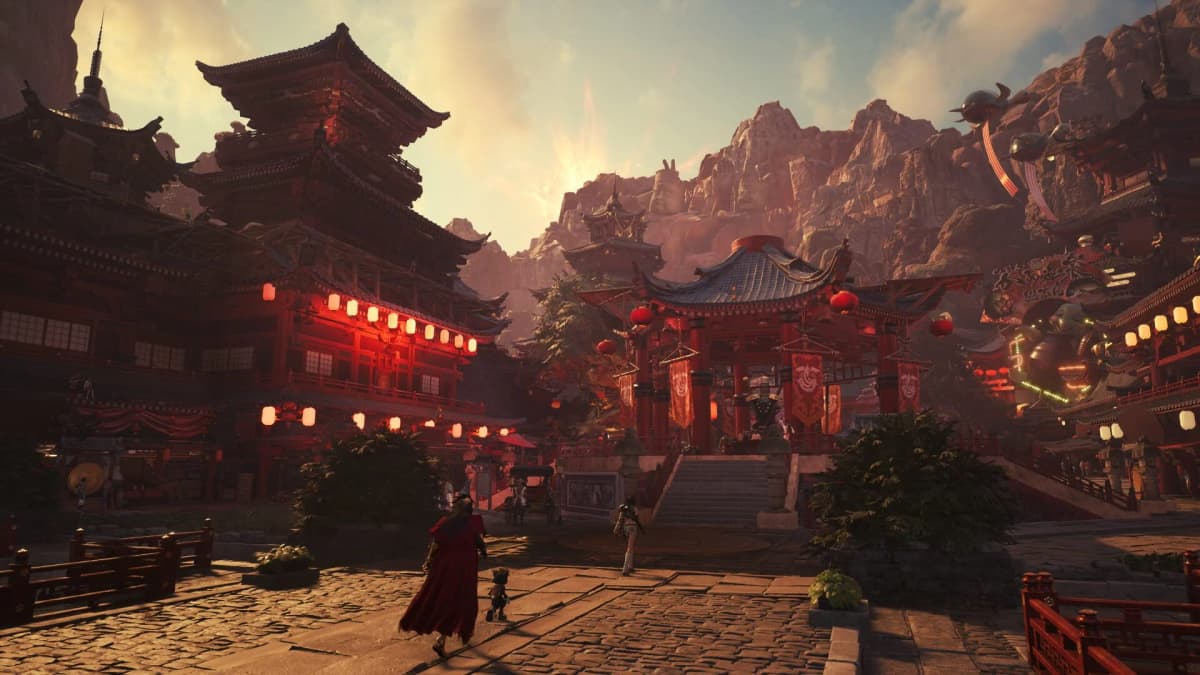
Here is the part where Square Enix has me. Revelation does not sound like a timid final lap. The Highwind is positioned as the connective tissue for a larger, more open planet, turning traversal into a proper expression of scale rather than a menu of disconnected destinations. Wutai and Rocket Town are on the itinerary. Cid Highwind and Vincent Valentine become fully playable. A grappling gun opens up rooftops and city routes. Piko the chocobo serves as both a mount and a combat ally, growing alongside the party.
That is an aggressive amount of playable Final Fantasy VII packed into one game, and it is exactly why I reject the idea that the franchise must retire after Revelation. The Highwind alone represents a kind of freedom that the original game made legendary. If Square Enix has found a way to let players move through an expanded planet with that airship as the central tool, it has built a foundation worth revisiting.
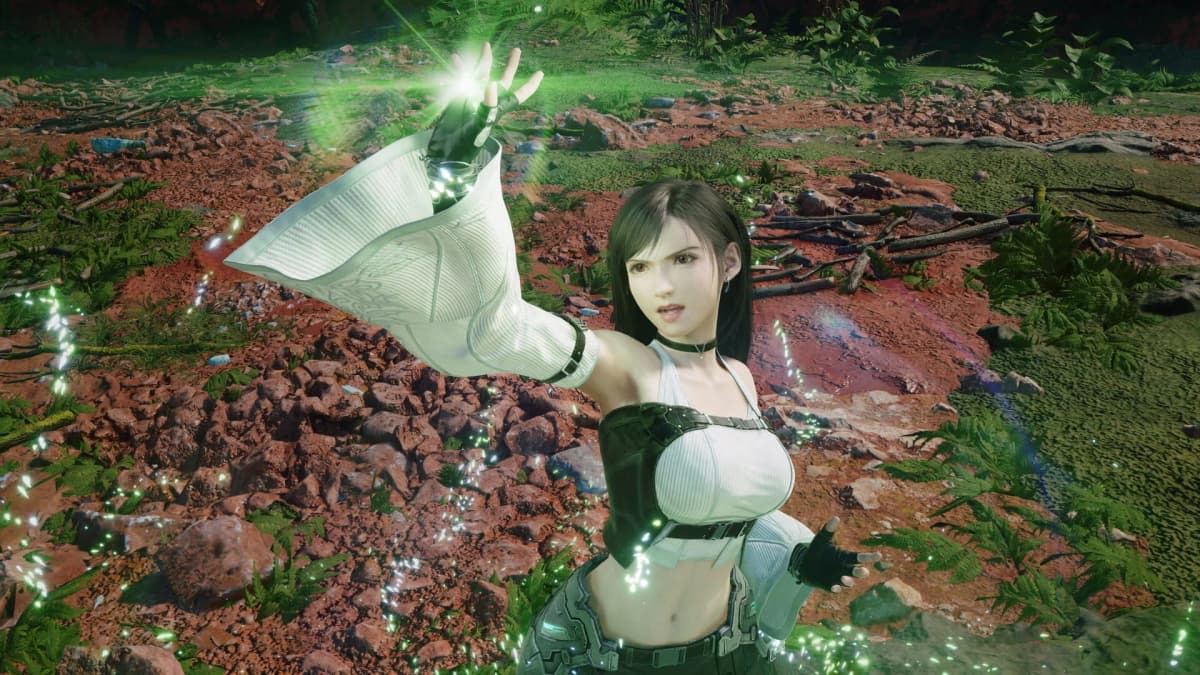
The new Function-Integrated Tactical Suitwear system also points toward a team that still wants to experiment instead of merely reenact old scenes. FITS gives party members four specialized combat identities: Warrior, Knight, Black Mage, and Summoner. Those suits substantially change combat functions and abilities, giving the party a broader tactical role structure. That could be a mess if the systems overwhelm the character-driven combat that made Remake and Rebirth click. It could also be Revelation’s smartest mechanical swing, because it gives players meaningful reasons to rethink the same party instead of only swapping weapons and Materia.
Even the smaller additions carry the right kind of energy. Queen’s Blood returns with a Red XIII-focused storyline and opponents that can disrupt the normal flow of a match. Certain quests allow players to choose which party member takes part, changing events and gameplay scenarios. These are the details of a game trying to make a huge cast feel present, rather than treating anyone outside the central trio as decorative nostalgia.
“Ever-evolving future” is strategy language, not a player promise
Square Enix has described its goal as moving Final Fantasy VII from “a classic of the past” to an IP with an “ever-evolving future.” I understand why the company wants that. A seven-year trilogy with a global multi-platform finale creates a tremendous amount of momentum. Letting it all evaporate in April 2027 would be creatively wasteful.
But that phrase also has the dead-eyed chill of a boardroom slide. “Ever-evolving” tells me Square Enix intends to keep using Final Fantasy VII. It does not tell me how, when, or with what level of care. That distinction matters because fans have watched this universe stretch before. Some expansions of Final Fantasy VII have added texture and emotional weight. Others have made the overall continuity feel like a pile of supplementary homework.
Square Enix cannot ask players to celebrate an undefined future while withholding the boundaries of that future. The only concrete post-launch content currently attached to Revelation is two DLC packs. Everything beyond that remains open. There is no announced post-Revelation mainline sequel, no named new remake project, no defined spin-off, and no stated format for whatever comes next.
| Current Final Fantasy VII signal | What players can reasonably expect | What remains undefined |
|---|---|---|
| Revelation is the third and final Remake entry | The trilogy’s core story concludes in the base game on April 8, 2027 | Whether any future game continues this version of the story |
| Two DLC packs are planned for Revelation | Post-launch Final Fantasy VII content after the base release | Their scale, focus, and whether they carry essential narrative closure |
| Square Enix wants an “ever-evolving future” for FFVII | The company intends to continue treating Final Fantasy VII as an active franchise | The next project, its platform, its format, and its release window |
DLC has one acceptable job after Revelation
If Square Enix wants to keep Final Fantasy VII alive after the trilogy, Revelation’s DLC can be a sensible first step. Character-focused adventures, optional side stories, new combat challenges, or contained detours through parts of the world that the base game cannot fully explore all fit the idea of expansion. Cid, Vincent, Red XIII, Cait Sith, and the rest of the party offer more than enough room for stories that deepen the setting without undermining the ending.
The line is simple. Revelation must not end with a giant emotional question mark and then charge forward with two paid answers. The base game has to stand as a complete finale. Any add-on should feel like an invitation back into a world players already got to finish, not a ransom note attached to the credits.
Director Naoki Hamaguchi’s framing of a future add-on as something separate from the main plot is the correct instinct. Keep the ending intact. Let extra material be extra. Final Fantasy VII has survived for decades because its emotional core landed hard enough to leave a mark. Square Enix would be foolish to weaken that impact by turning its biggest conclusion into a delivery mechanism for unfinished business.
Players should watch announcements, not slogans
The next meaningful proof of Square Enix’s plan will not be another line about Final Fantasy VII’s bright future. It will be a named project with a format, a creative hook, and a reason to exist beyond brand maintenance. A focused game that follows a character or explores a genuinely unexplored corner of the world would count. A new full-scale Final Fantasy VII project with a clear identity would count. Another vague assurance that the IP will “continue evolving” would not.
That may sound harsh, but Final Fantasy VII fans have earned the right to demand specifics. This audience buys into characters, story consequences, and the sense that these games matter beyond the release calendar. It does not need every long-term plan revealed before Revelation launches. It does need Square Enix to be honest about the difference between what is confirmed and what is merely desired.
FinalBoss // Gear
Level up your setup
01Top-rated gaming headsetson Amazon→02High-refresh gaming monitorson Amazon→03Gaming chairson Amazon→04Discounted game keyson Kinguin→
Affiliate links · As an Amazon Associate, FinalBoss earns from qualifying purchases.
Want to Level Up Your Gaming?
Get access to exclusive strategies, hidden tips, and pro-level insights that we don't share publicly.
Ultimate Gaming Strategy Guide + Weekly Pro Tips