
This is one of those gaming stories that sounds cleaner the second it hits social media than it does once you sit with it for five minutes. “The director doesn’t want to do another remake.” Great headline. Neat, decisive, easy to turn into a victory lap or a panic spiral. But the more interesting truth is messier: Naoki Hamaguchi’s comments read less like a grand announcement and more like a creative exhale after spending years inside the Final Fantasy VII remake machine.
And honestly, my reaction is split right down the middle. The fan part of my brain immediately starts casting him onto every beloved Square classic under the sun. Give him another impossible assignment. Let him rebuild something sacred again. The healthier part of my brain hears the same story and thinks: no, absolutely not. If a director spends the better part of a decade reconstructing one of the most mythologized RPGs ever made, maybe the correct next step is not throwing him into another nostalgia meat grinder.
That’s my thesis here: Hamaguchi being ready to move past remakes is not bad news for players. It’s probably the best possible outcome, provided people stop pretending this is a confirmed reveal of what comes next. A new mainline Final Fantasy? A brand-new AAA IP? A smaller detour before either of those? All of that is still speculative. But as a statement of creative preference, it matters a lot, because it tells us what kind of future might still be possible at Square Enix if the company has the sense to not learn the dumbest lesson from the FFVII trilogy.
Table of Contents (6)
This is not a project announcement, and players should stop acting like it is
The first thing worth saying bluntly is that Final Fantasy VII Revelation is not even out yet. The trilogy isn’t finished. The curtain has not dropped. So when Hamaguchi talks about not planning another remake and being open to a new Final Fantasy or an original AAA game, the smart reading is not “this is definitely what he’s directing next.” The smart reading is: this is what sounds creatively alive to him after years spent managing expectation, reverence, backlash, hype, and the impossible demand to make something feel both faithful and surprising.
That distinction matters because this fan culture has a bad habit of converting preference into prophecy. A developer says what excites him, and suddenly people are talking like there’s a secret trailer hidden in a vault somewhere. Then six months later, when reality fails to match the fantasy they built in their heads, it becomes another round of outrage aimed at the wrong target. I’m tired of that cycle. It turns normal creative honesty into a liability.
There’s also a small but important wrinkle in how these comments have been framed. Some takes present this as a total rejection of more remakes, full stop. Others read it more narrowly: not that Square Enix must never do another giant remake, but that Hamaguchi himself would rather not be the one steering it. Those are not the same thing. One is an industry statement. The other is a human one. And the human version is the one that makes the most sense to me.
After this long on Final Fantasy VII, of course he wants something new
I don’t think players always appreciate how psychologically bizarre this kind of assignment must be. Making a new RPG is hard enough. Remaking Final Fantasy VII for a modern audience is deranged in a very specific way, because everybody wants a contradiction. They want the old emotions preserved in amber, but they also want the shock of discovery. They want innovation, but only the kind they already approve of. They want you to respect the source, challenge the source, expand the source, and never once make them feel like their personal memory of 1997 has been disrespected.
That is not just game development. That is cultural hostage negotiation.
So when I hear that the director may want a new Final Fantasy or even a fresh IP after this trilogy wraps, my response isn’t suspicion. It’s relief. A creative lead spending roughly a decade on one enormous act of reinterpretation should be allowed to build something that isn’t chained to a sacred text. Not because remakes are beneath him, but because staying in that loop forever is how talent gets trapped into becoming a preservation specialist instead of an artist.
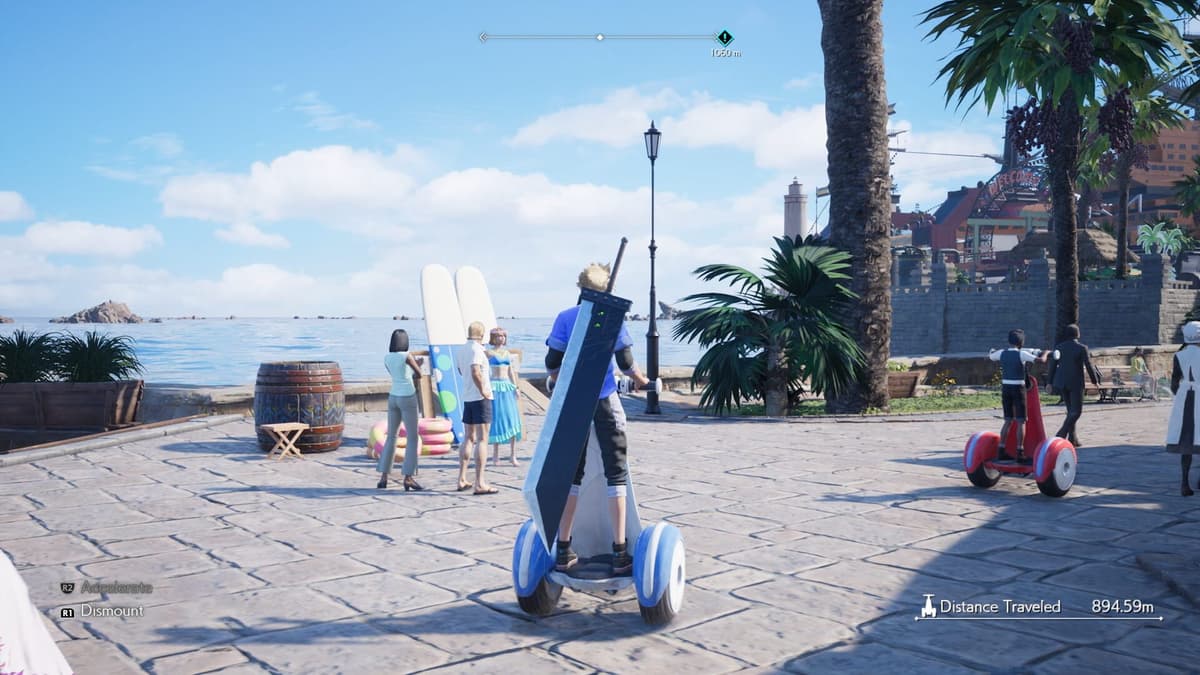
And let’s be honest about what FFVII has become over these years. This trilogy was never treated like a straightforward, one-to-one restoration project anyway. It stretched the definition of “remake” until the word barely held. That was part of the appeal. It was also part of the stress. Once you’ve already played in that unstable territory between tribute, reinvention, sequel energy, and fan provocation, where exactly do you go next on another remake? Bigger divergence? Safer fidelity? Either route sounds creatively claustrophobic.
Remakes aren’t the villain here, but the industry’s addiction to them absolutely is
I need to be clear, because this always gets flattened into a fake culture-war argument. I am not anti-remake. I’ve loved plenty of them. Some old games desperately need modern interfaces, mechanical cleanup, accessibility options, better performance, and a second chance with people who were not around the first time. Good remakes can preserve design history better than a lazy port ever could.
What I’m sick of is the way publishers keep treating remakes as the safest possible proof of ambition. It’s a weird kind of cowardice dressed up as prestige. Spend a fortune, wave around the legacy brand, and call it bold because the production values are huge. That isn’t always vision. Sometimes it’s just risk management wearing expensive clothes.
Square Enix, in particular, sits in a dangerous place here. It has one of the richest back catalogs in the medium, which is a blessing until it becomes a trap. If every proven talent eventually gets assigned to refurbish an old monument, the company starts living off memory instead of taste. Players feel that, even if they can’t always articulate it. You start sensing that the future is being delayed in favor of endlessly renegotiating the past.
That’s why I don’t hear “no more remakes” as rejection. I hear it as a demand for oxygen. If one of Square Enix’s most visible directors wants out of the loop after Revelation, the healthy response is not to guilt him back into another canonized corpse revival. The healthy response is to ask what he can create when he’s no longer spending every design meeting in conversation with inherited memory.
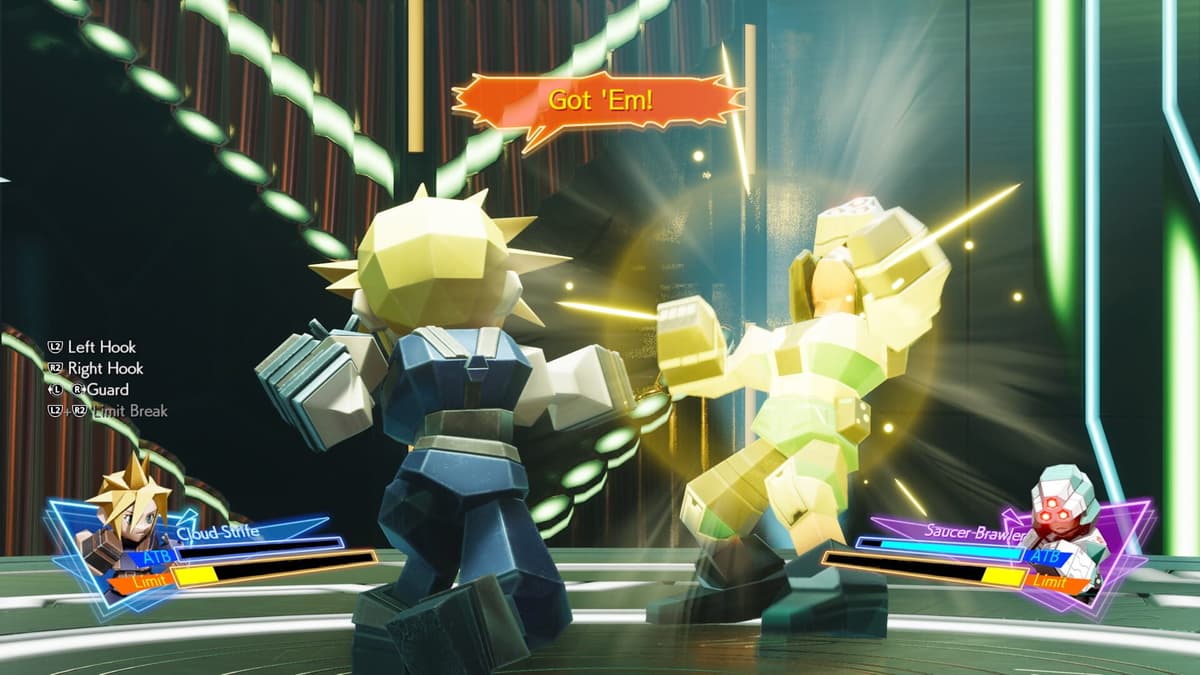
The real player question is what kind of “new” we’re actually talking about
This is where I get a little suspicious, because game companies love the word “new” in the same way fast-food chains love the word “premium.” It sounds exciting until you look closely and realize you’re being sold a familiar shape with slightly different seasoning. If Hamaguchi does move on, players should pay attention to the signals, because “new Final Fantasy,” “new IP,” and “different-sized project” are three very different realities.
- A modest project will usually show its hand early. If the language suddenly shifts toward flexibility, compact scope, faster development, or a more contained vision, that doesn’t automatically mean bad. In fact, I’d respect the hell out of it. But players should recognize the difference between a deliberate palate cleanser and the next giant standard-bearer.
- A genuine new mainline Final Fantasy needs more than branding. I want to see a fresh world, a clear combat philosophy, a new tonal identity, and the confidence to stop shadowboxing old fan arguments. If it feels like another attempt to split the difference between ten competing versions of what Final Fantasy “should” be, that’s not a new chapter. That’s committee cosplay.
- A true original AAA IP has to risk discomfort. New iconography. New rules. New emotional hooks. New marketing language that doesn’t spend half its time reassuring fans it’s secretly like older hits. If Square Enix announces an “original” game that still looks like branded franchise DNA with the serial numbers filed off, I’m going to call bullshit.
The reason this matters to players is simple: expectation management determines whether a game gets judged on what it is or punished for what people imagined it would be. If the next step is smaller, say that. If it’s a new Final Fantasy, own the burden. If it’s an original IP, stop smuggling old franchise comfort blankets into every reveal.
Square Enix now has a chance to learn the right lesson for once
The wrong lesson from the FFVII remake era would be brutally predictable: players like polished nostalgia, so keep mining the vault. Keep assigning top talent to prestige excavations. Keep circling the same emotional landmarks because at least the audience already knows where to point the camera and cry. That path will absolutely produce hype. It will also slowly flatten the company into a museum with a rendering budget.
The right lesson is harder and way more interesting. A director who proved he can manage a high-pressure, mechanics-heavy, emotionally loaded blockbuster is exactly the kind of person you trust with a fresh mandate. Maybe that becomes a new mainline Final Fantasy. Maybe it becomes an original world that would never survive a boardroom if it weren’t backed by someone who has already earned political capital internally. That’s the sort of talent diversification publishers always pretend to value and rarely commit to when risk gets real.
And yes, maybe that new assignment is smaller at first. I’m not scared of that. Some of the best creative resets in this industry happen when a team steps off the endless-content treadmill and rediscovers what it wants to say. Bigger is not automatically braver. “AAA” is not a synonym for imagination. If anything, blockbuster scale often makes companies more conservative, not less.
The counterpoint is obvious, and I can’t completely dismiss it
Here’s the part where my own argument gets inconvenient: if Square Enix announced tomorrow that Hamaguchi was directing another lavish remake of a beloved classic, I would not sit here pretending I’d ignore it. Of course I’d be interested. A lot of players would. He has now been associated with one of the most ambitious reinterpretation projects in modern RPGs. It is perfectly reasonable to think, “well, let him do another one.”
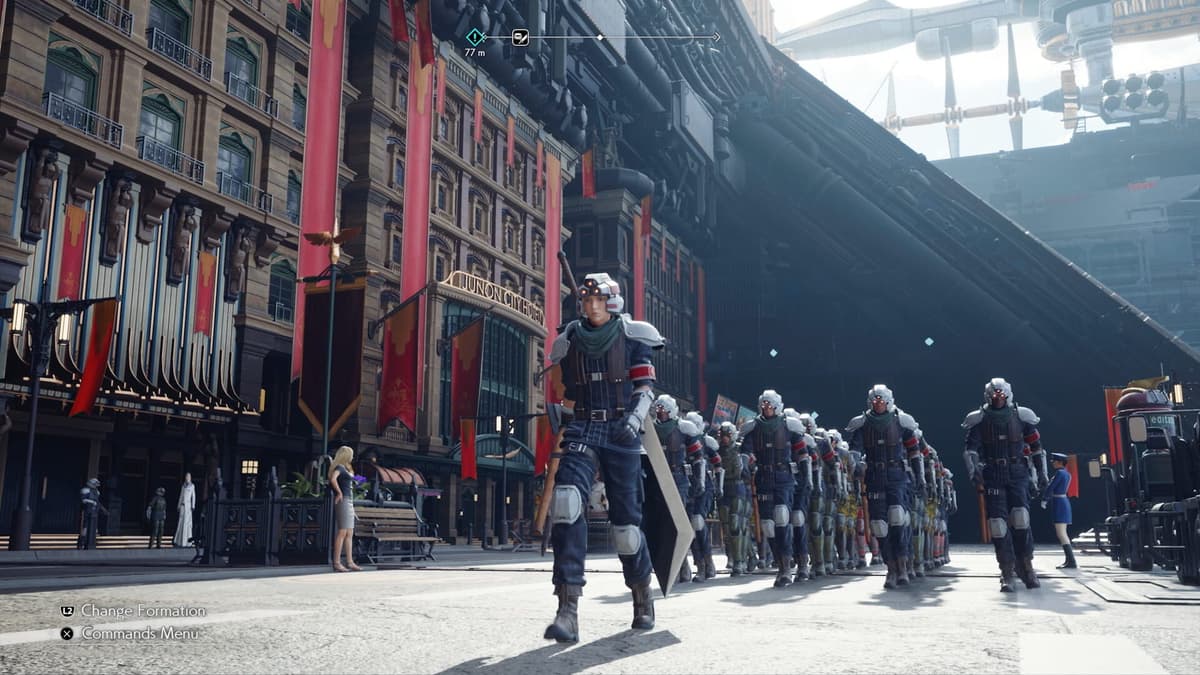
There’s also the ugly financial reality that recognizable IP feels safer than betting hundreds of millions on something unfamiliar. I don’t like that logic, but I’m not going to insult everyone’s intelligence by acting like it doesn’t exist. Publishers chase comfort because comfort sells, or at least looks more legible on a planning sheet.
Still, this is where I plant the flag. Safe can become creatively poisonous. If every victory only proves that the next job should be more caretaking of old legends, then success starts eating the future. That’s not just bad for artists. It’s bad for players, because we end up with an industry obsessed with refinement over surprise. We get better surfaces, bigger budgets, prettier echoes. What we don’t get often enough is the shock of encountering a world that has no obligation to match memory.
FinalBoss // Gear
Level up your setup
01Retro consoleson Amazon→028BitDo controllerson Amazon→03Capture cards (Elgato & more)on Amazon→04Discounted game keyson Kinguin→Affiliate links · As an Amazon Associate, FinalBoss earns from qualifying purchases.
Want to Level Up Your Gaming?
Get access to exclusive strategies, hidden tips, and pro-level insights that we don't share publicly.
Ultimate Gaming Strategy Guide + Weekly Pro Tips