
Twenty‑three years after launch, Final Fantasy XI is doing something most new MMOs dream of: turning players away. Square Enix will suspend new character creation, inbound transfers and adventurer recruitment on the Odin world starting March 10, 2026, because the server is crowded enough to threaten stability and playability.
- Odin exceeded roughly 13,000 concurrent users; Asura and Bahamut – already restricted in 2025 – sit near 11,000 and 9,000 respectively.
- Square Enix says locks are temporary and that its team is monitoring populations and working on global infrastructure changes.
- The move follows earlier Asura (July 2025) and Bahamut (October 2025) restrictions and arrives as FFXI rolls a March Trust upgrade aimed at solo players.
Table of Contents (6)
What actually changed (and why it matters)
Producer/director Yoji Fujito outlined the decision in an official dev post published March 3: Odin is experiencing sustained congestion after the earlier Asura and Bahamut locks redirected new players. To prevent lag, login queues, and auction‑house chaos, Square Enix will block new characters and transfers into Odin as of March 10. The company says it’ll reopen services when load drops or after infrastructure improvements.
On paper this reads like a straightforward maintenance call. In practice it’s a clear sign of a rare problem: a legacy MMO has attracted enough attention that its busiest worlds are approaching limits designed for a different era of online architecture. For a game that still ships monthly updates and hovers around ~88-90K active players across worlds, that’s an achievement – and a headache.
The uncomfortable observation: server locks patch symptoms, not causes
Server restrictions are obvious and PR‑friendly: they’re easy to announce and easy to roll back when populations settle. But they don’t increase capacity. Past examples show players avoid crowded servers rather than force their way in, which can merely shuffle the load — or, worse, fragment social and economic systems that depend on healthy, mixed populations.
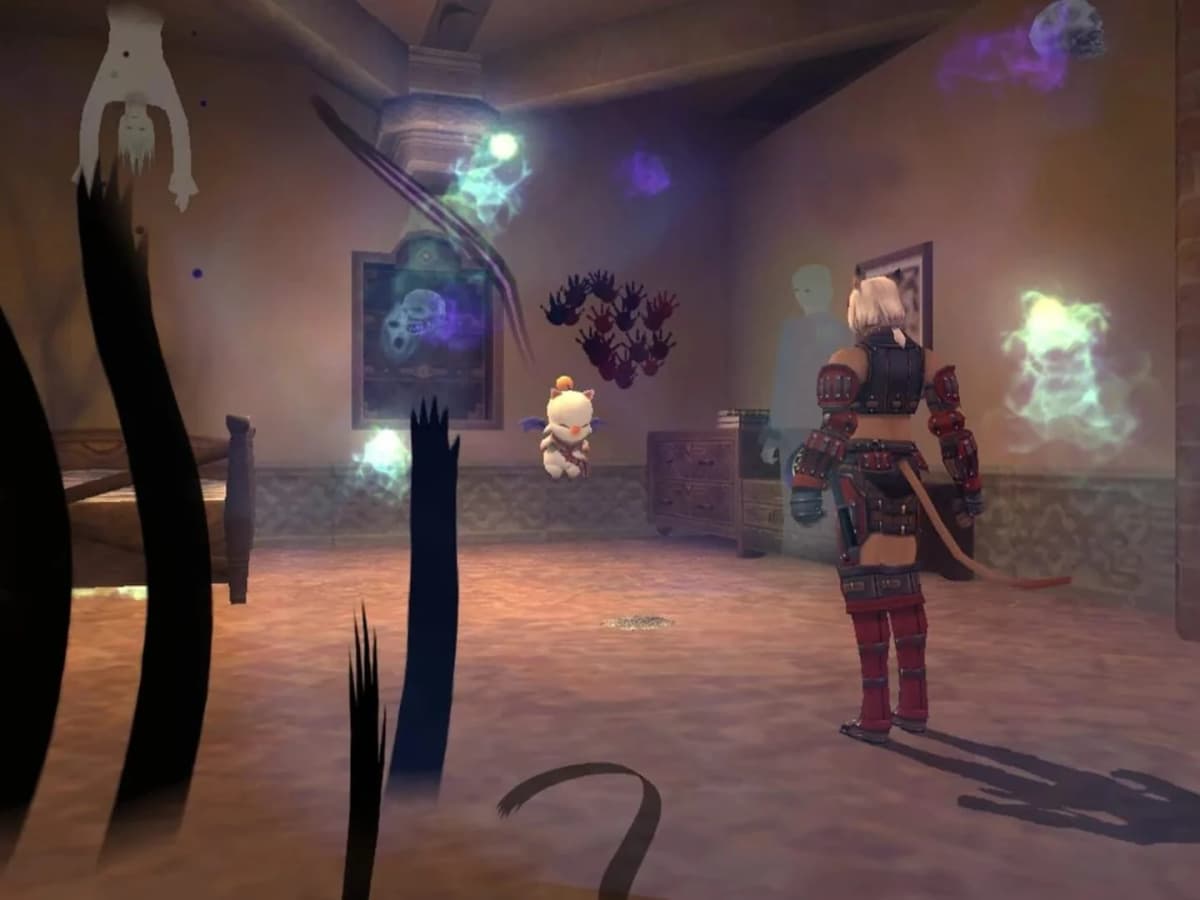
Community analysis already wonders whether blocking Asura and Bahamut merely nudged newcomers toward Odin, creating a repeated loop. Fujito acknowledged Asura and Bahamut only saw a slight population drop after their restrictions, and that overall load remained “relatively unchanged,” which explains why Odin is now being locked. The obvious follow‑up — create new worlds, increase instance capacity, or accelerate infrastructure upgrades — is what players and analysts will be watching for next.
There’s a second storyline here: FFXI’s active development
Square Enix isn’t just putting out fires. The team has a March patch that upgrades Trusts — NPC companions — by letting players spend Alter Ego Points to improve stats and equip better gear. That change leans into solo play, which could both attract new players and ease pressure on crowded parties and group content.
So the company is juggling two strategies at once: short‑term gating to protect servers, and design changes that might alter play patterns long term. Whether the latter meaningfully reduces peak load depends on how many newcomers choose solo progression over congregating on established population hubs.
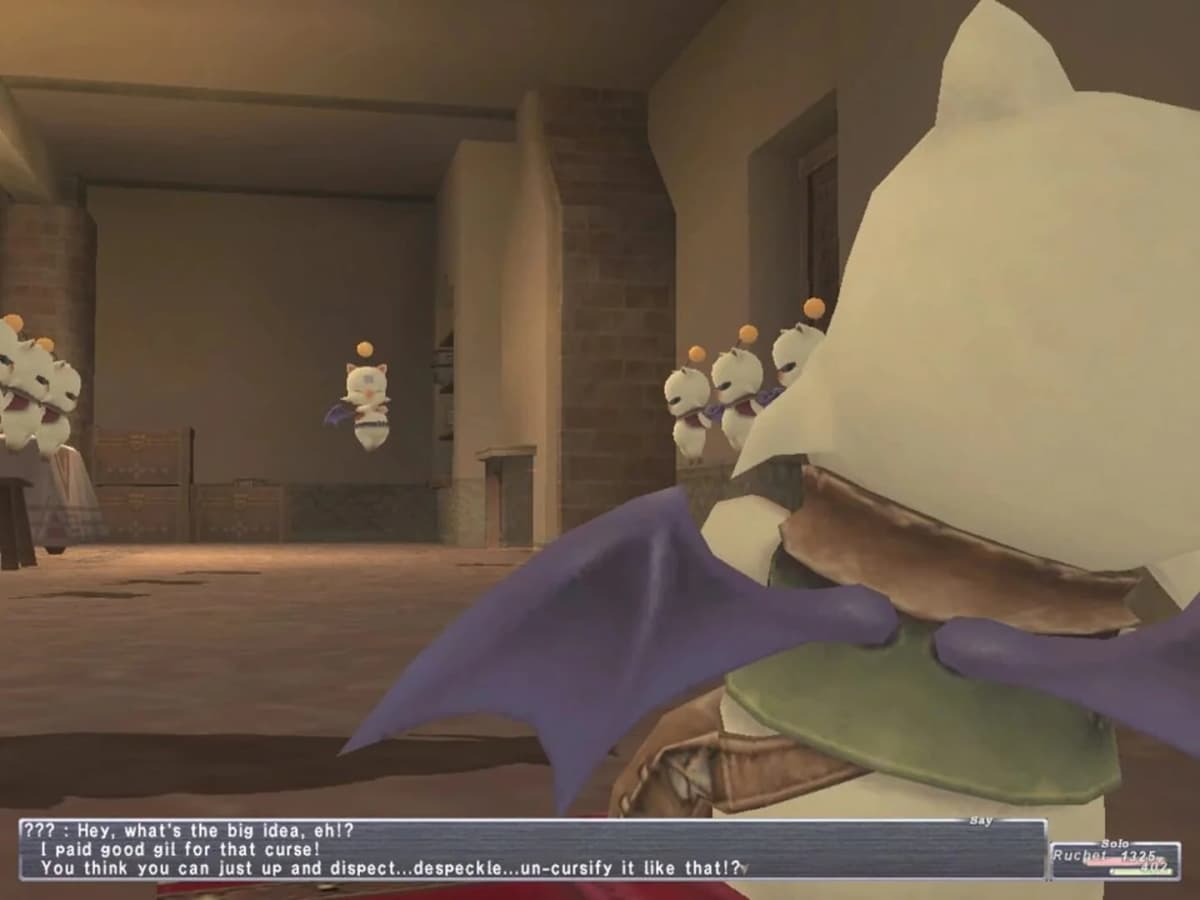
The question I’d put to the devs
If I had Fujito on the line I’d ask this plainly: why prefer repeated server locks over opening new world capacity or prioritizing infrastructure work that permanently raises concurrent limits? The dev blog hints at “global infrastructure work,” but a timeline — and a commitment to new worlds or load balancing — is the real metric that will tell if this is temporary crowd control or a longer strategy to funnel players into fewer, denser servers.
What to watch next
- March 2026 Trust upgrade rollout — if soloing becomes easier players might spread out instead of clustering.
- Developer updates on “global infrastructure work” and any announcements of additional worlds or permanent server capacity increases.
- Community reaction: forum posts, Discord threads and any migration backlogs or economic strain on Odin’s market systems.
Square Enix’s handling so far is aligned across posts: Steam hosted the statement, PC Gamer, Vandal and Massively Overpowered reported the numbers and context, and players will feel the impact first in login screens and player markets. For an MMO that launched in 2002, this is a delicious problem to have — provided the team turns it into durable scale, not a repeating cycle of locks.
TL;DR
Final Fantasy XI is temporarily stopping new characters and transfers to the Odin world on March 10 because player counts spiked after earlier Asura and Bahamut restrictions. It’s a sign of genuine resurgence, but server locks are a stopgap; the real test will be whether Square Enix follows with new capacity or permanent infrastructure fixes.
FinalBoss // Gear
Level up your setup
01Top-rated gaming headsetson Amazon→02High-refresh gaming monitorson Amazon→03Gaming chairson Amazon→04Discounted game keyson Kinguin→Affiliate links · As an Amazon Associate, FinalBoss earns from qualifying purchases.
Want to Level Up Your Gaming?
Get access to exclusive strategies, hidden tips, and pro-level insights that we don't share publicly.
Ultimate Gaming Strategy Guide + Weekly Pro Tips