
Table of Contents (8)
Fire Emblem Enters the Arena – And That’s a Big Deal
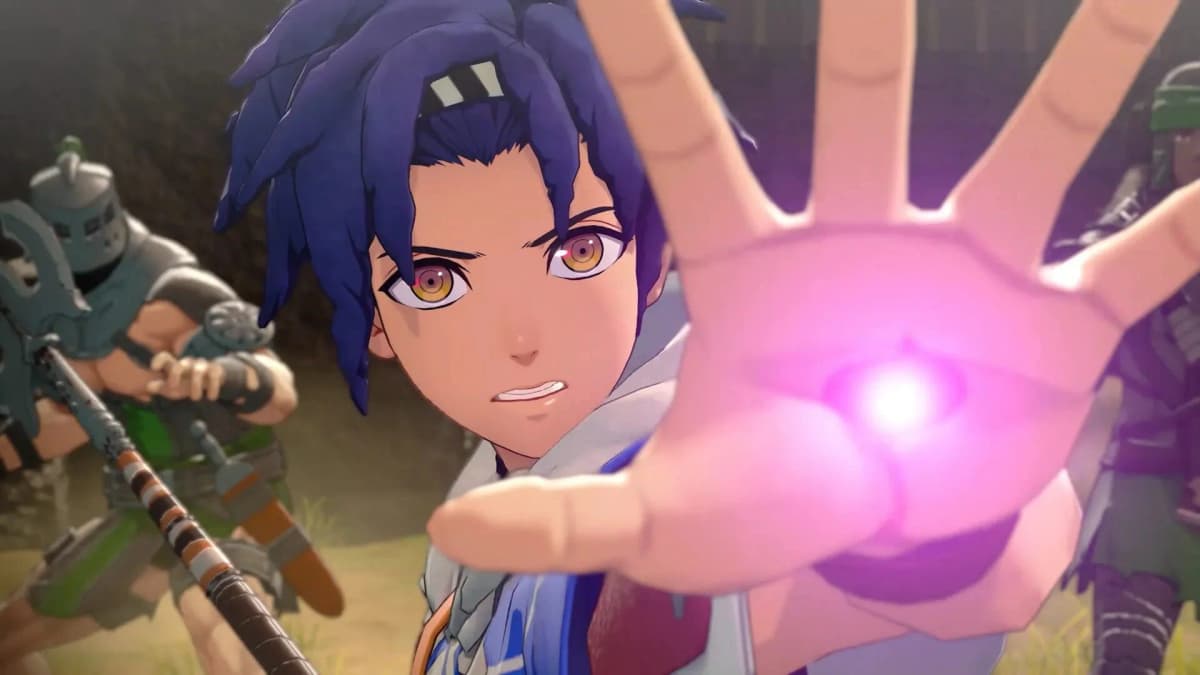
Fire Emblem: Fortune’s Weave caught my attention the moment the trailer panned up to that gigantic coliseum. A series that usually does nation-spanning wars is now centering its drama on the “Heroic Games,” with a protagonist trying to save their father and three leads clearly positioned as the emotional core. It lands in 2026 as a Nintendo Switch 2 exclusive, and if you’ve followed Fire Emblem over the years-from Awakening’s save-the-franchise swing to Three Houses’ calendar sim and Engage’s flashy combat-you can feel Intelligent Systems trying something bold while promising “gameplay faithful to the series.”
Key Takeaways
- The arena setting could reshape map objectives and pacing, for better or worse.
- Expect core FE systems—turn-based grids, permadeath options, supports—to return, but framed by “Heroic Games” rules.
- Switch 2 exclusivity hints at bigger unit counts, faster enemy phases, and slicker animations.
- The real question: can a coliseum-centric campaign stay varied without slipping into repetitive bouts?
Breaking Down the Announcement
Here’s what’s solid: Fortune’s Weave is a mainline Fire Emblem headed to Switch 2 in 2026. The story is anchored around an enormous coliseum and its ritualized “Heroic Games.” The lead is driven by a personal rescue—saving their father—and three principal characters are foregrounded, suggesting a tight triad dynamic rather than Three Houses’ schoolhouse factions or Engage’s hero parade. Nintendo describes the gameplay as faithful to the series, which for veterans translates to grid-based tactics, class builds, and choice-driven consequences.
That framing alone is intriguing. Fire Emblem has always flirted with arenas (remember the gamble-y arena tiles where you’d risk your MVP for cash and EXP?), but centering an entire game on gladiatorial structure changes how maps, economies, and stakes can work. Instead of continental campaigns, we could be looking at escalating brackets, themed rounds, and story wrinkles that warp the rules midstream.
Why an Arena Setting Could Actually Change the Tactics
The risk with a single megastructure is repetition. Intelligent Systems knows that varied objectives—defend, seize, escape, survive ten turns, protect a VIP—keep Fire Emblem from devolving into rout-everything. In a coliseum, that variety can still happen: sudden sandstorms that kill cavalry mobility, rotating gates that split your formation, audience-triggered hazards (“spikes drop in lane three!”), or duel interludes where a champion steps forward and the rest of the squad manipulates terrain to influence the 1v1.
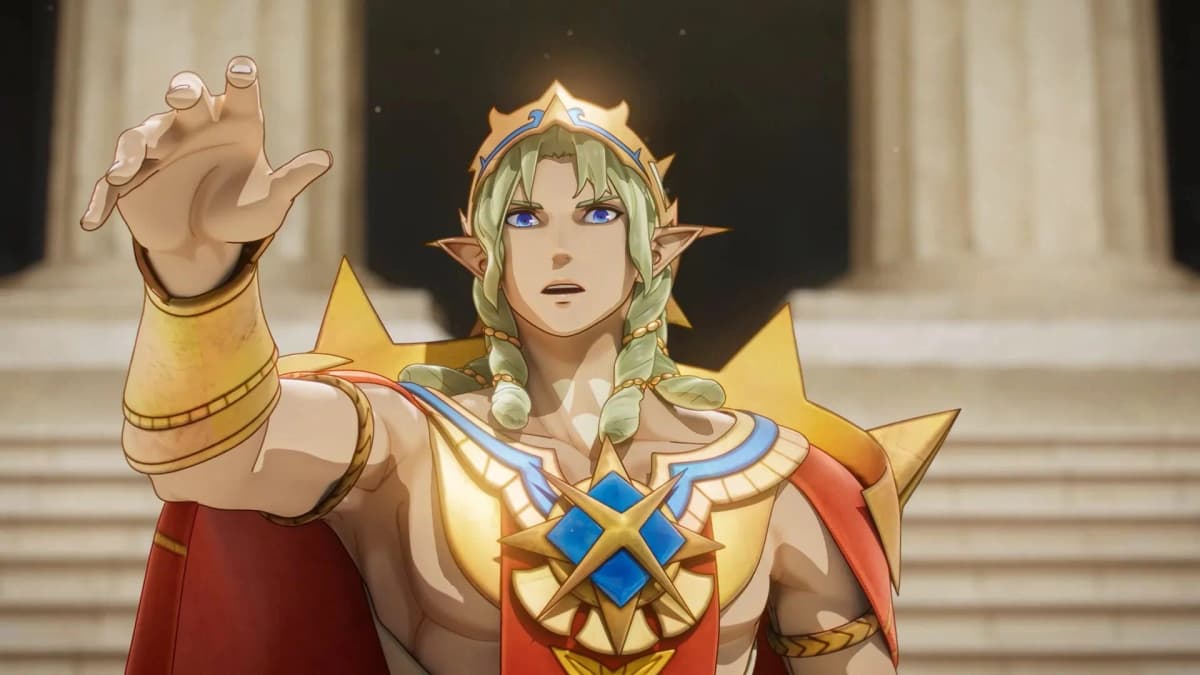
There’s also the permadeath question. Classic mode in a bloodsport raises the narrative stakes—does a fallen unit “die,” get “retired,” or suffer injuries that persist across rounds? Since Awakening, Fire Emblem has offered Casual/Classic toggles, and I can see Fortune’s Weave leaning into that with a “tournament injury” variant for players who want consequence without losing their favorites forever.
Then there’s the systems layer. Three Houses dialed back the weapon triangle while leaning into battalions and gambits; Engage brought back weapon advantage with the “break” mechanic and layered Emblem powers on top. “Faithful to the series” suggests fundamentals—positioning, terrain, class identity—carry the day, but an arena needs its own spice. I’d love to see rulesets that flip expectations: restricted weapon pools, fog-of-war show matches, team-tag rounds encouraging striker/assist positioning, or audience modifiers that reward risk (pulling off a clutch rescue for a momentum buff).
Switch 2 Showcase or Just Another Entry?
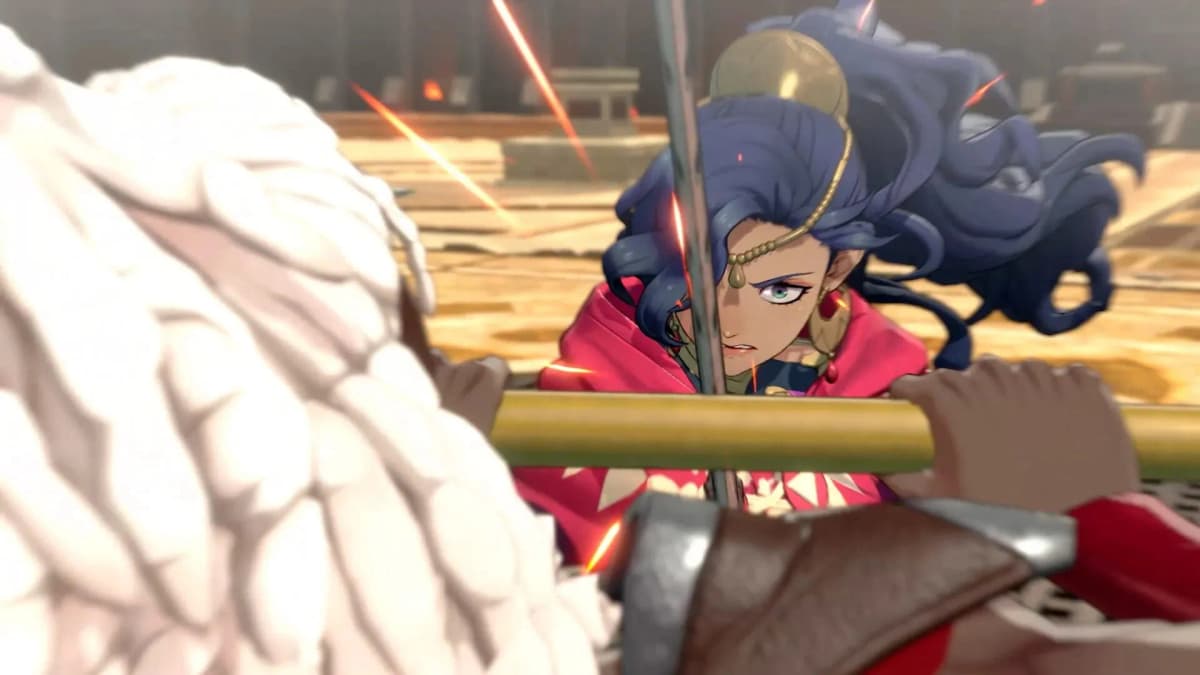
Making this a Switch 2 exclusive puts pressure on presentation and pace. If the new hardware does anything for turn-based tactics, it should be in two places: animation fidelity and time-to-action. Faster enemy phases, instant combat previews, and seamless cut-ins can make 30-turn maps fly. The trailer’s scale—sun-baked stone, roaring crowds, ornate armor—suggests Intelligent Systems intends to flex. I’m also hoping for better AI pathing and more units on screen without bogging down, so pincer maps and multi-front defense actually feel tense rather than tedious.
But let’s keep expectations in check. 2026 is a wide window. If this is an early-cycle tentpole, Nintendo will want polish over feature creep. I’d rather have a lean, replayable campaign with strong map design than a bloated hub stuffed with chores. Post-Engage, the series could use a tighter loop that respects your time between battles.
Questions Nintendo Needs to Answer (Before We Hype Too Hard)
- How varied are the maps if most battles happen in or around one coliseum? Show us objective diversity.
- What replaces the monastery/Somnell-style downtime? Training bouts? Management? Character bonding still matters—don’t bury it in busywork.
- Will there be online or asynchronous modes? Fates experimented with PvP maps and Engage added relay trials; an arena begs for competitive twists, but please, not a tacked-on battle pass.
- How are consequences handled in a tournament narrative? If Classic mode is brutal, give ironman players a clean ruleset and clear fail states.
I’m hopeful because Intelligent Systems has pulled off pivots before. Awakening saved the series by modernizing supports; Three Houses turned downtime into strategy; Engage doubled down on pure tactical candy. Fortune’s Weave has the bones of a great remix: a contained setting that forces clever map design, a personal story hook (save dad) that can avoid “destiny of nations” bloat, and a format that naturally supports escalating challenges.
Looking Ahead
If Nintendo wants to stick the landing, the path is clear: keep the pacing snappy, let the rules evolve across brackets, and make the three main characters’ arcs collide in ways that change how you build your team. Toss in meaningful difficulty options, robust accessibility toggles, and a post-game gauntlet for the sickos among us—and the arena could become Fire Emblem’s smartest battlefield yet.
TL;DR
Fire Emblem: Fortune’s Weave puts the series inside a massive coliseum for the “Heroic Games,” launching exclusively on Switch 2 in 2026. The core tactics should feel familiar, but the arena format could reshape objectives and pacing—if Intelligent Systems avoids repetition and leans into smart, varied map design.
FinalBoss // Gear
Level up your setup
01Top-rated gaming headsetson Amazon→02High-refresh gaming monitorson Amazon→03Gaming chairson Amazon→04Discounted game keyson Kinguin→
Affiliate links · As an Amazon Associate, FinalBoss earns from qualifying purchases.
Want to Level Up Your Gaming?
Get access to exclusive strategies, hidden tips, and pro-level insights that we don't share publicly.
Ultimate Gaming Strategy Guide + Weekly Pro Tips