
Firefly Village Makes the Cozy Grind Optional with Seven-Day Seasons and Snappy Loops
Game intel
Firefly Village
The Firefly Village awaits! A bite-sized, streamlined farming sim that focuses on moments that matter, without wasting a single second of your time. Build a ho…
Short days, zero stress: why Firefly Village caught my eye
I love a good farming sim, but I’ve bounced off more than a few lately because the “cozy” part turns into spreadsheet management by year two. Firefly Village, a solo-dev project from Josh Koenig, promises the opposite: seven-day seasons, bite-sized in-game days, and no wilted crops or punitive deadlines. At $8.99 on Steam (with a limited-time 20% launch discount), it’s pitching a pocket-sized Harvest Moon energy in a sea of sprawling Stardew-likes. That pitch matters-because cozy isn’t cozy when it feels like homework.
Key takeaways
- Seven-day seasons and short in-game days push a true “quick session” loop-rare for the genre.
- No grind, no deadlines, and simplified controls mean less micromanagement, more flow.
- Potential tradeoff: streamlined systems risk feeling shallow if progression and relationships don’t have teeth.
- At $8.99, the scope looks intentionally compact; this could be a smart, low-friction cozy buy.
Short days, no deadlines – a deliberate design choice
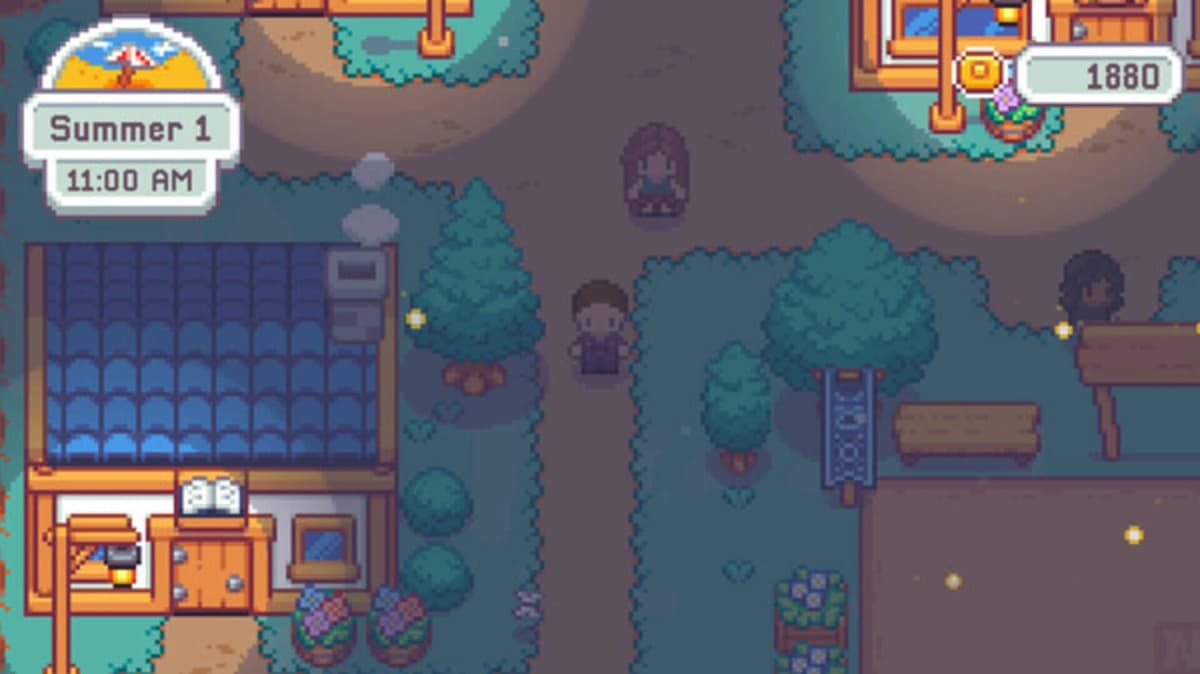
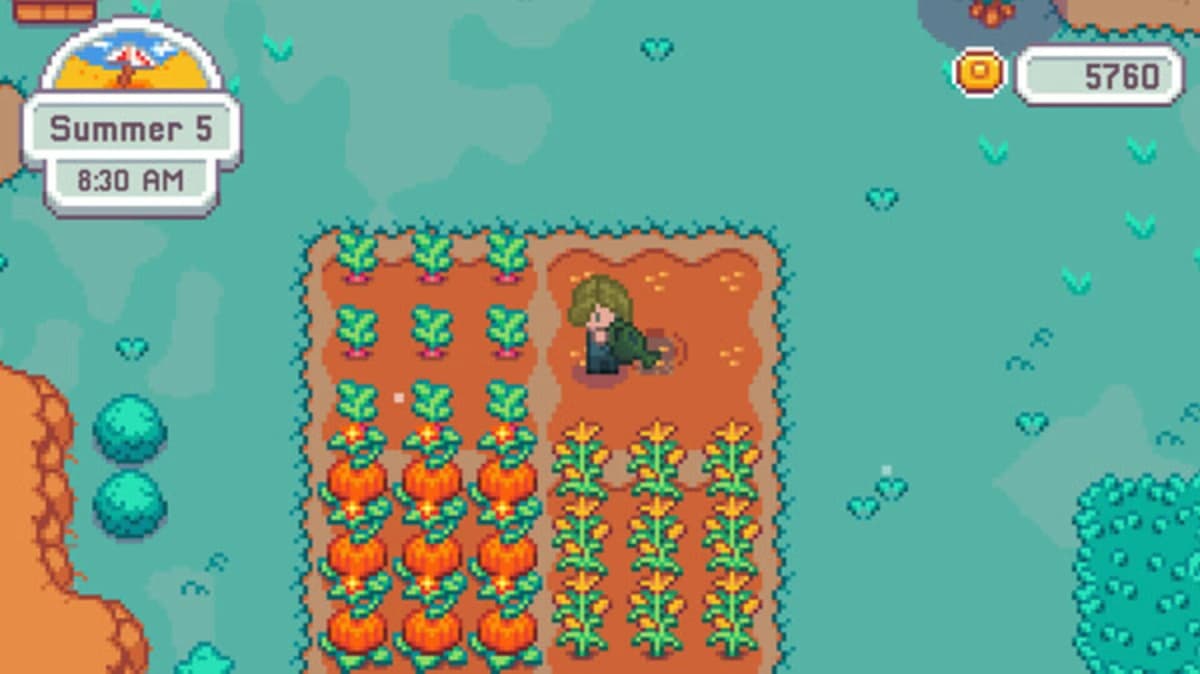
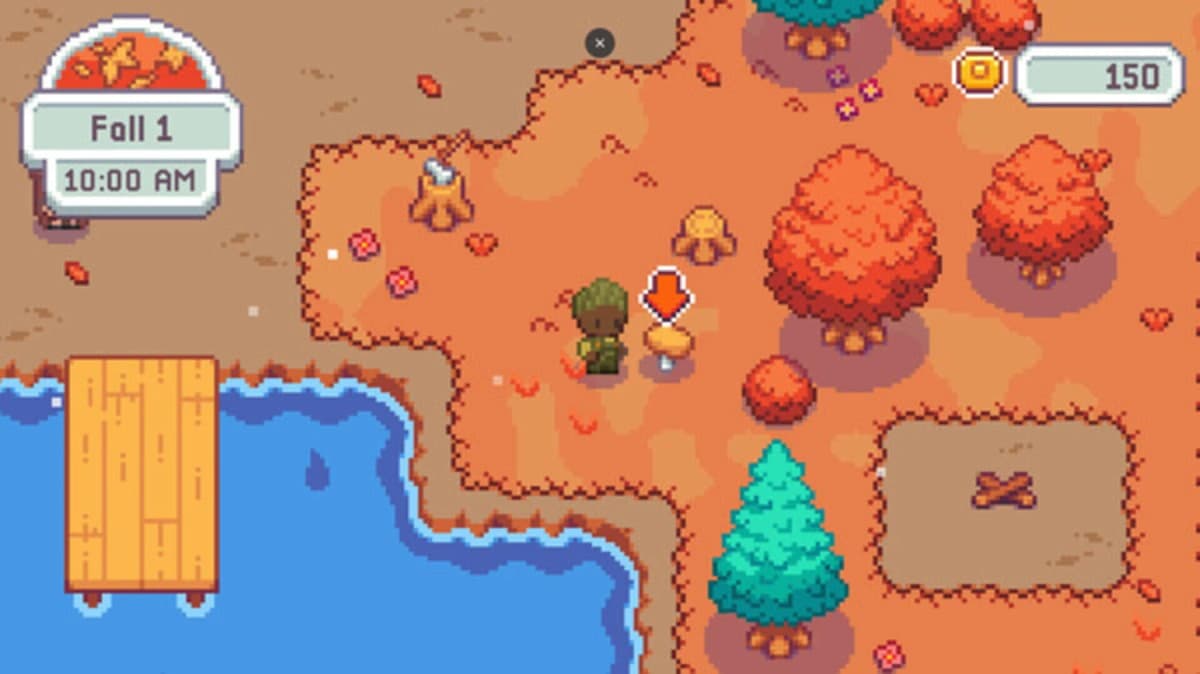
Most farming sims reward optimization: wake at dawn, sprint through chores, math out crop cycles, then collapse. Firefly Village flips that by keeping days snappy, flowing actions together (water as you walk, cast a quick line, pet your animals, mine a vein, cook a simple meal), and removing the “gotcha” punishments. Seasons roll every seven in-game days, so the world changes fast and festivals arrive on a tight cadence. It sounds arcade-like by design, and honestly, that’s refreshing. If you want a 20-minute comfort loop after work instead of a two-hour planning session, this is exactly the right kind of rethink.
The dev’s stated inspiration—Harvest Moon 64—tracks. That game’s smaller scope and brisk pacing made every trip to the field or chat with a neighbor feel meaningful. Firefly Village aims for that same intimacy while borrowing the friendliness of Animal Crossing and Littlewood. It’s not chasing the “build a mega-farm over 200 hours” dream; it’s chasing the “I had a lovely 15 minutes” feeling.
Does streamlined mean shallow?
This is the big question. Removing deadlines and crop-wilting cuts out stress—but it also removes tension. In cozy games, a little friction gives your choices weight. With seven-day seasons, how does planting strategy work? Are crop times tuned for that speed, and do late-season plantings still feel worth it? If mining and fishing are designed for quick hits, do they evolve beyond “press button, get resource” after a few hours? The press notes name a few characters—Celia the chaos-loving witch, Odin the wanderer, Tilly the cheery helper—and emphasize gifts, chats, and festivals. That’s promising, but the heart of these games is whether relationships have arcs, payoffs, and surprises, not just daily check-ins.
The good news: a compact loop doesn’t have to be shallow. Littlewood proved you can pare back systems and still deliver a satisfying sense of town growth and personal attachment. The risk is repetition—if every day feels the same, the comfort turns to routine fast. Firefly Village will live or die on how often it introduces small twists: a new festival activity, a character event, a seasonal quirk, a reason to tweak your rhythm without spiking the stress meter.
The cozy sim context: where Firefly Village fits
Post-Stardew, we’ve seen two big camps: maximalist (Coral Island, Sun Haven) and minimalist (Littlewood, Garden Story). Firefly Village firmly joins the latter, and that’s a healthy counterweight. Not everyone wants spreadsheets and sprinklers; sometimes you want a contained world with personality and a fast loop. The seven-day seasonal churn is a neat differentiator too—festivals coming around quicker means more frequent “peaks” instead of months-long buildups.
It helps that Koenig is positioning this as a polished, small-scope project rather than overpromising a live service farm MMO. Backing from indie.io—whose portfolio includes Echoes of the Plum Grove and Coromon—suggests experienced support on the unsexy stuff (QA, marketing, distribution). That matters for a solo dev; the difference between “cute idea” and “actually pleasant to play” is often in the friction you don’t feel.
Want to Level Up Your Gaming?
Get access to exclusive strategies, hidden tips, and pro-level insights that we don't share publicly.
Ultimate Gaming Strategy Guide + Weekly Pro Tips
Price, scope, and launch reality check
Firefly Village is available now on Steam at $8.99 with a 20% launch discount, and it ships with English and Simplified Chinese. That sub-$10 price point is on-brand for its scope. You’re not buying a five-year hobby; you’re getting a compact, replayable comfort sim you can dip into. If you’ve been burned by cozy games ballooning into 1.0 with feature sprawl and bugs, a cleaner, tighter launch is a selling point.
Things I’ll be watching: controller feel (the press touts streamlined controls, which is crucial for short sessions), festival variety (are these interactive set pieces or just dialog-and-confetti?), and the conversation system (does talking lead to story beats or just friendship meters?). None of these need to be massive to work—they just need to create small, recurring reasons to return.
The gamer’s perspective
If you’re cozy-curious but allergic to grind, Firefly Village is squarely aimed at you. The design philosophy is clear: keep the loop snappy, keep the vibes warm, don’t punish the player. For genre lifers who crave ultra-deep farming systems, this might feel too light. For everyone else—especially folks who loved the rhythm of Harvest Moon 64 or the town-first feel of Littlewood—this could be the perfect low-stress palate cleanser between heavier games. At this price, I’m rooting for it to stick the landing on charm and cadence.
TL;DR
Firefly Village trims farming sim stress with seven-day seasons, short in-game days, and no deadlines. If you want cozy without the spreadsheets, this looks like a smart, low-cost pick—provided its streamlined systems have enough personality and variety to keep the loop fresh.