
Table of Contents (7)
FireRed & LeafGreen on Switch: Kanto, But With Teeth Again
Booting up Pokémon FireRed on my Switch OLED felt almost wrong at first. The last time I walked out of Pallet Town, it was on a chunky Game Boy Advance SP under terrible bus lighting. Since then we’ve had open-world Paldea, wild area experiments, full 3D remakes… and yet here I was, staring at chunky sprites and a professor asking my name for the thousandth time.
Thirty-five hours later, my Champion team limping out of the Elite Four with single-digit PP on half their moves, I realized something: this is still the best way to play Kanto. Not the prettiest, not the most generous, but the cleanest and most honest. FireRed and LeafGreen on Switch quietly embarrass a lot of modern Pokémon design by doing less – and demanding more from you.
Kanto, Again… and Somehow Not Boring
I went into this re-release with serious Kanto fatigue. We’ve had the originals, the GBA remakes, the Let’s Go pair on Switch, constant Gen 1 cameos, and half of Pokémon marketing lives off the same handful of nostalgia shots. I expected a comfort-food run I’d half-pay-attention to while watching something else.
That didn’t happen. The first thing that hit me was how refreshing the simplicity is. FireRed/LeafGreen are from that GBA sweet spot where Pokémon hadn’t layered on systems for the sake of it yet. No Dynamax, no Z-Moves, no Terastallizing, no sprawling open zones full of glittering items every five steps. You get routes, caves, gyms, a rival that hates your guts, and that’s about it.
On Switch, the art holds up shockingly well. The pixel art is clean and colorful, with that soft GBA palette that makes towns feel cozy instead of sterile. It’s not as showy as something like The Minish Cap, but it has a clarity that modern 3D Pokémon often fumbles. The UI is snappy, menus are instant, and there’s zero clutter: bag, team, map, done.
Playing handheld, the sprites are razor-sharp without losing their charm. You can see small details in battle animations and overworld tiles that were mushy on old hardware. It still absolutely looks like a GBA game, but a GBA game that suddenly realized it was allowed to be sharp and readable.
There’s also an almost “cozy cartridge” vibe to the structure. You get that satisfying loop of: new route, catch a couple things, hit a new town, heal, poke around, move on. No fake open-world freedom that secretly scales everything to you, no quest tracker dragging you back on rails. It’s old-school, but it’s also very focused.
The Shock: These Games Actually Expect You to Try
The real turning point for me was Cerulean City. I rolled into Misty’s gym with a slightly overleveled Ivysaur and the usual ragtag early-game team and assumed it’d be a stomp. It wasn’t. Her Starmie chewed through half my party with crits and resisted hits, and when I finally won, it felt earned in a way I haven’t felt from a story gym in years.
FireRed and LeafGreen are not brutally difficult, but they are a different universe from Scarlet/Violet’s “press A on your strongest move” pace. There’s no universal Exp. Share. If a Pokémon doesn’t participate in battle, it doesn’t get experience. That single decision changes the feel of the entire playthrough.
I had to make actual team decisions instead of just catching everything and letting the auto-exp system sort it out. Do I rotate my weaker party members in and risk them fainting? Do I accept that I’m basically running a tight team of four for a while? You feel the opportunity cost of every switch, every training session in tall grass.
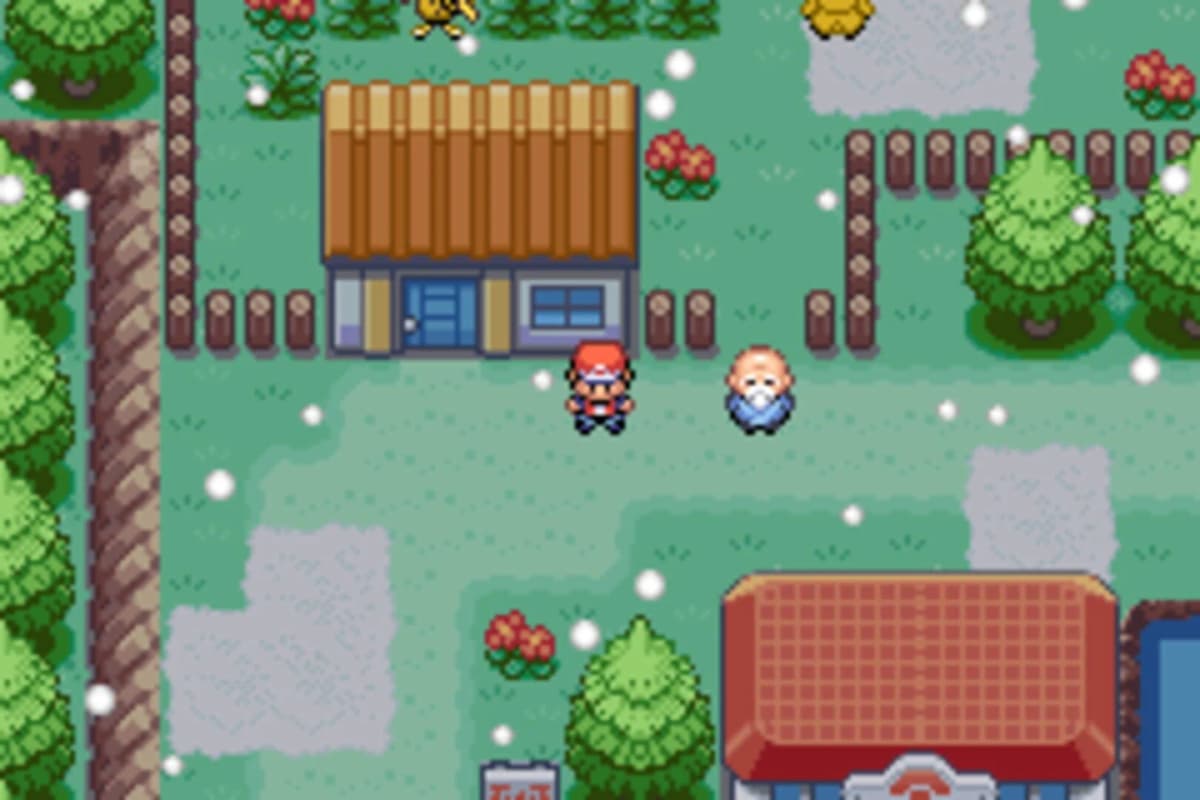
The dungeons are where this really clicked. Rock Tunnel, Pokémon Tower, the Rocket Hideout, Victory Road – they’re not puzzle masterpieces, but they are endurance tests. On Switch, with quick sleep mode, I found myself doing them in long, committed sessions rather than quick “do a bit and bounce” runs because the attrition is real.
No free heals every thirty steps. No Pokémon Centers conveniently plopped inside every second cave. If you misjudge PP, or don’t pack enough potions and status cures, you’re trudging back through a half-cleared dungeon to recover. In Victory Road my Lapras ran out of Surf mid-way through and I had a long, ugly internal debate about whether to use my only Elixir or accept that my main special attacker was going to be a dead slot.
The Elite Four is the peak of this philosophy. I went in slightly underleveled because I got impatient, and those fights absolutely punished me. No auto-heals between battles, just the bag you brought and the decisions you’ve made for the last thirty hours. When I finally toppled Lance with my battered Raichu clinging to a sliver of HP, it was exhilarating precisely because the game refused to babysit me.
The Kanto-Only Pokédex: Clean Focus, Artificial Walls
FireRed and LeafGreen are technically Gen 3 games under the hood, which means Johto and Hoenn Pokémon exist in the data. But for the entire main story, you’re locked into the original 151. In theory, I like this. It gives the campaign a clear identity, keeps encounters readable, and avoids that weird “everything, everywhere” bloat of later gens.
In practice, the way Game Freak enforced this back in the day – and still enforces it here – can feel downright hostile. The most glaring example: Golbat. You can raise its friendship to the moon, level it over and over, and the game will still throw up the “What? Golbat is evolving!” animation… only to cancel it because Crobat is post-National Dex. The Switch version has not smoothed this out; you just sit through failed evolution screens like a chump.
Espeon and Umbreon are flat-out unobtainable because there’s no day/night cycle in these games. You can feel the invisible scaffolding everywhere: this is allowed now, this isn’t, wait until the postgame, wait until you link to Hoenn… except on Switch, there is no Ruby/Sapphire/Emerald to link to. The Seafoam Islands of content gating, just flooding into the sea.
Once you clear the League and get the National Dex, things open up slightly. The Sevii Islands postgame mixes in a small handful of Johto species, giving you a taste of something beyond Kanto. It’s still just that – a taste. If you’re expecting a huge regional expansion like modern DLC, temper that expectation. The focus remains resolutely on Gen 1.
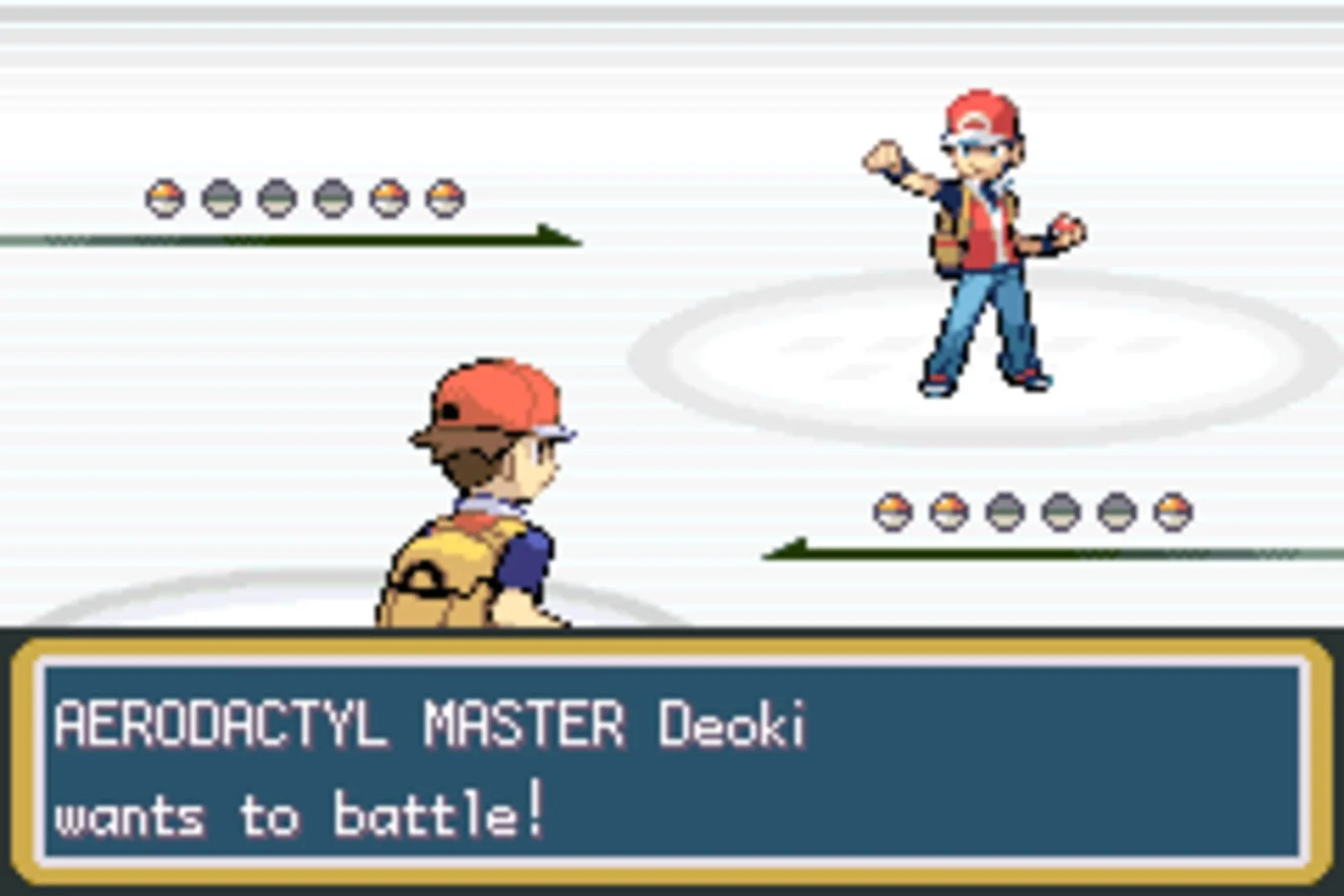
The Switch release does quietly include something cool: the old event content is just… there. After hitting the Hall of Fame, you get access to the island that houses Deoxys (yes, it can be shiny) and the Ho-Oh/Lugia encounter. No real-world events, no link cables, no mystery gift hunts. It’s a great archival touch that makes this version feel more “complete” than the original carts ever were for most players.
Gen 3 Quirks: Slow Shoes, Bad Movepools, Maze-Kanto
Not everything has aged gracefully, and the Switch port makes no attempt to hide the rough spots.
The most obvious annoyance: you still can’t run indoors. After years of zipping through Pokémon Centers and department stores in later games, being forced to trudge around Celadon’s multi-floor mall at walking speed is painful. It’s such a tiny quality-of-life feature that you absolutely feel missing with every step.
Then there are the movepools. Modern Pokémon players are spoiled; even early-route catches tend to learn solid STAB moves at reasonable levels. In FireRed/LeafGreen, some species are hilariously under-served. Pinsir, for example, doesn’t learn any Bug-type moves by level-up. Sandshrew’s first Ground-type level-up move is Sand Tomb at level 45. The Earthquake TM – the move that would make half your physical attackers click – is locked behind the eighth gym.
This forces you to lean heavily on Normal-type coverage and a few standout TMs, and it means that some otherwise cool monsters just aren’t worth the headache. As someone who likes rotating through quirky picks, I bumped up against these limitations often enough to feel a little boxed in.
Region design is another relic. Even in this “definitive” version, Kanto still feels more like a maze than a believable place. Cut trees, one-way ledges, and oddly placed buildings chop the map into strict lanes. You get tiny bits of freedom in gym order, but you’re constantly being funneled along narrow paths. Coming from the messy-but-free sprawl of Paldea, this is both refreshing and occasionally claustrophobic.
Trading, Multiplayer, and the Giant Online Hole
The sore thumb of this release is how heavily the original design leaned on trading… and how little the Switch version does to modernize that.
These games were built in an era where “finish the Pokédex” implicitly meant cables, link sessions, and friends. That DNA is still intact. You need trade evolutions for classics like Gengar and Alakazam. Version exclusives are still split between FireRed and LeafGreen. The late-game Sevii Islands questline is explicitly about unlocking connectivity with Hoenn titles that simply are not on Switch right now.
And yet, there’s no online trading or battling support. If you want to complete the Pokédex legitimately, you either need someone in your real life with their own Switch, their own copy of the opposite version, and the patience to coordinate… or you need to own two consoles and play both yourself. In 2026, that’s archaic in the worst way.
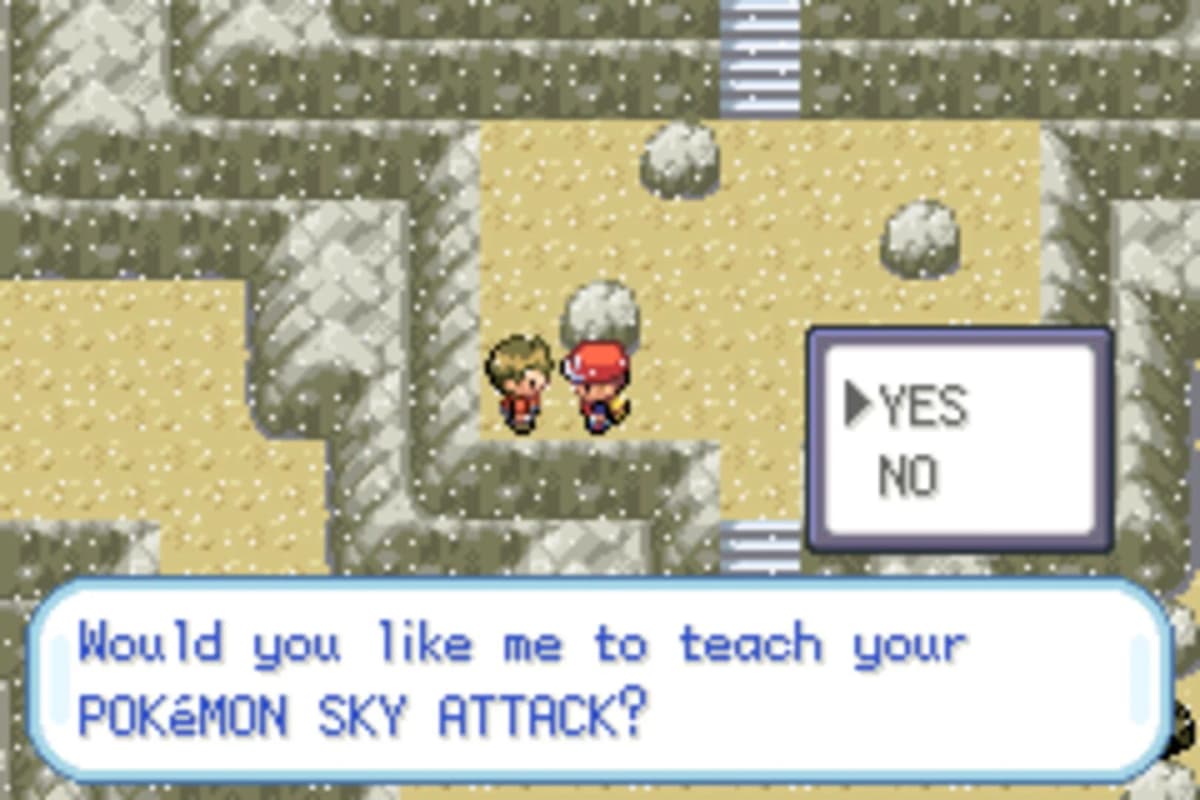
I don’t expect a twenty-dollar re-release to bolt on full-blown Pokémon HOME integration or a GTS-style marketplace, but some minimal online functionality would have gone a long way toward respecting how people actually play games on Switch. As it stands, “catch ’em all” is more slogan than reachable goal for most players.
Value and How It Stacks Up Against Modern Pokémon
Each version is $20, and my mostly blind run of FireRed clocked in around 35–40 hours by the time I rolled credits and poked at the postgame islands. That’s before seriously grinding Battle Tower-style challenges or obsessively hunting Deoxys or the legendary birds. In pure hours-per-dollar terms, it’s already more generous than several full-price Switch RPGs I’ve played this generation.
More importantly, those hours are lean. There’s almost no filler dialogue, no ten-minute cutscenes explaining mechanics you already understand, no gimmick systems that vanish the moment you change regions. Just a straight line of gyms, rival showdowns, criminal takedowns, and legendary hunts. If you’ve bounced off recent games because they feel bloated or messy, FireRed/LeafGreen are the antidote.
Compared to other Pokémon on Switch:
- Scarlet/Violet give you freedom and a wild, unpredictable Pokédex, but they’re technically rough and comically easy outside of optional content.
- Legends: Arceus is the bold reinvention – amazing vibe, but structurally a side-experiment rather than a mainline template.
- Sword/Shield split the difference, with decent difficulty spikes but a constant sense of compromise.
- Brilliant Diamond/Shining Pearl recreate Sinnoh with painstaking loyalty and almost no spark.
FireRed and LeafGreen sit in a different lane entirely. They’re not here to wow you with spectacle. They’re here to remind you that a tight, focused RPG with simple systems can still be incredibly satisfying when it actually trusts you to handle a challenge.
That said, if your favorite part of modern Pokémon is experimenting with hundreds of species, crafting perfect competitive sets, and abusing weird new mechanics, these remakes will feel spartan. The limited movepools, Kanto-centric roster, and lack of online mean this is very much a “single-player campaign first, everything else second” package.
FinalBoss // Gear
Level up your setup
01Best-selling Switch 2 gameson Amazon→02Switch 2 accessorieson Amazon→038BitDo controllerson Amazon→04Discounted game keyson Kinguin→Affiliate links · As an Amazon Associate, FinalBoss earns from qualifying purchases.
Want to Level Up Your Gaming?
Get access to exclusive strategies, hidden tips, and pro-level insights that we don't share publicly.
Ultimate Reviews Strategy Guide + Weekly Pro Tips