

Football Manager 26’s Big Rebuild Lands Hard on PC: Unity Upgrade, FIFA/PL Licenses, and a UI
Game intel
Football Manager 26
The first football management simulator, many of the hallmarks of the incredibly complex games which exist in this genre today are found in embryonic form here…
FM26’s bold rebuild grabbed my attention-for better and worse
I’ve played Football Manager long enough to remember when the “beautiful Excel sheet” jokes were a badge of honor. So when Sports Interactive canceled FM25 and promised a true generational leap with FM26-new Unity engine, redesigned UI, women’s football, and official FIFA and Premier League licenses-I was all in. Now that FM26 launched on November 4, 2025, the PC reality is messy: a big creative swing overshadowed by a rocky debut and a design that feels aimed at controllers first, keyboards second.
- Unity engine and new UI mark FM’s biggest change in 15 years—but it’s rough on PC.
- Steam response is brutal: “Mostly Negative,” with only 22% of 4,930 reviews positive.
- Women’s football finally arrives, alongside FIFA World Cup 2026 kits and full Premier League licensing.
- Matchday looks better, but UI ergonomics and performance are the real sticking points.
Breaking down the launch: huge ambition, harder landing
After a skipped year and big talk about “new foundations,” FM26 is the most consequential release in the series since the old Championship Manager split. It’s the first entry built on Unity, a major engine shift intended to modernize visuals, animation, and cross-platform development. Studio head Miles Jacobson even said pre-release, “If this game is a failure, this might be the end.” That’s the scale of the gamble.
Early Steam sentiment is harsh. At the time of writing, the game is tagged as Mostly Negative, with only 22% positive across 4,930 reviews. The themes are consistent: performance hitches, crashes, sluggish menus, and an interface that seems redesigned for console at the expense of PC power users.
Translated Steam user quotes paint the picture: “After the cancellation of FM25, we hoped for a real renewal. Instead, FM26 feels like a game rushed out the door… frequent bugs, slow menus, and a confusing, not very ergonomic interface.” Another adds: “Making a PC game but releasing it to be played with a controller—that’s a NO… we go from 2005 graphics to 2015 graphics in 2025—congratulations!” And the gut punch: “Two years of waiting after a peak FM24… I think I’m living my biggest gaming disappointment ever.”
The UI problem: console-first thinking in a mouse-first series
Here’s the core issue: FM’s identity on PC is dense, glanceable information with minimal friction—columns, filters, hotkeys, and rapid tabbing. FM26 replaces that with larger tiles, deeper submenus, and extra clicks. It looks cleaner, sure, but when you’re scouting 60 players and tweaking training across three squads, aesthetics are worthless if throughput drops. The beta reportedly had display bugs and crashes, and while some are patched, the structure itself feels slower. It’s not just change aversion; it’s a genuine loss of efficiency for the series’ most dedicated audience.
A smart compromise would be a true “Classic/Compact” option that restores dense tables, keyboard-first flows, and customizable panels, not just bigger font sliders. Until then, veterans will feel like they’re fighting the UI to do what used to take seconds.
What actually improved on the pitch
Unity does bring a step up in matchday presentation. Player movement looks more natural, mocap and volumetric animations add weight, and lighting gives stadiums more life. The studio calls this the richest match experience in the series, and in spurts, it feels that way—especially in crowded midfield tussles and set-piece scrambles.
But expectations were sky-high after a skipped release. One reviewer’s jab—“from 2005 graphics to 2015 graphics, in 2025”—is mean but not entirely wrong. It’s better, definitively, but it’s not a night-and-day leap on par with your memory of FM’s first 3D highlights. The simulation under the hood may be stronger, but the immediate wow factor isn’t enough to drown out the menu friction.
Women’s football and licensing: big wins that deserve better headlines
Credit where it’s due: integrating women’s football matters. FM26 ships with 14 women’s leagues across 11 nations, including the Women’s Super League and the National Women’s Soccer League. It’s not a separate mode—it’s woven into the same ecosystem, which is exactly how it should be. For a series that prides itself on authenticity, this is overdue and welcome.
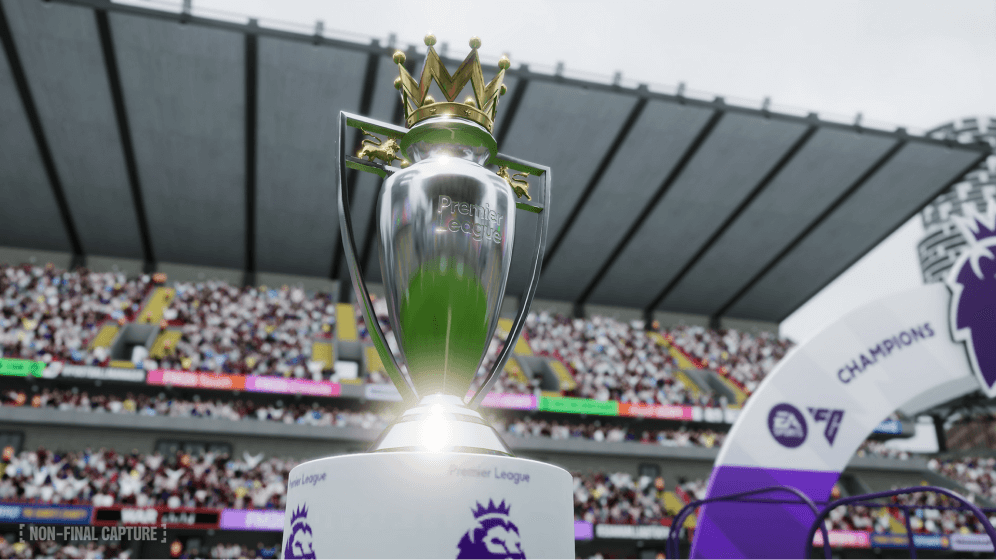
The official Premier League license is also a major get—proper kits, crests, player photos—plus a multi-year FIFA deal covering official kits for all 48 teams at the 2026 World Cup and broadcast graphics. For immersion and newcomers, that’s massive. Veterans used to modding might shrug, but having it out of the box is a genuine quality-of-life boost.
Should you play FM26 now?
If you’re on PC and live in spreadsheets, I’d wait. SI has a strong track record of post-launch patches, but no amount of hotfixing will magically turn a controller-friendly layout into a keyboard-first powerhouse overnight. If you play primarily on a controller or prefer a cleaner, less intimidating layout, you’ll probably have a better time than the Steam page suggests. Just expect some rough edges during the early patch cycle.
Why this matters for FM’s future
Football management sims haven’t had serious competition since EA retired FIFA Manager a decade ago. One translated review nails the mood: “My only hope today is to see competition emerge—either to make you react, or to discover a new game full of good ideas.” That should ring alarm bells. FM is one of the last big PC-first sims standing. If the series pivots too hard toward console UX, it risks alienating the core that evangelized it in the first place.
Unity can still be the right foundation. Cross-platform development, modern rendering, more consistent animation—all useful. But FM’s soul is speed, clarity, and control. If SI brings back dense views, restores hotkey-centric flows, and keeps fixing performance, FM26 could evolve into the future it promised. Right now, it’s a brave blueprint wrapped in a frustrating first draft.
TL;DR
FM26’s engine switch, women’s football, and big licenses are real wins, but the PC launch is bogged down by a console-leaning UI and performance issues. If you’re a series veteran on mouse and keyboard, wait for patches and a true compact UI option; everyone else, tread carefully but keep an eye on updates.