
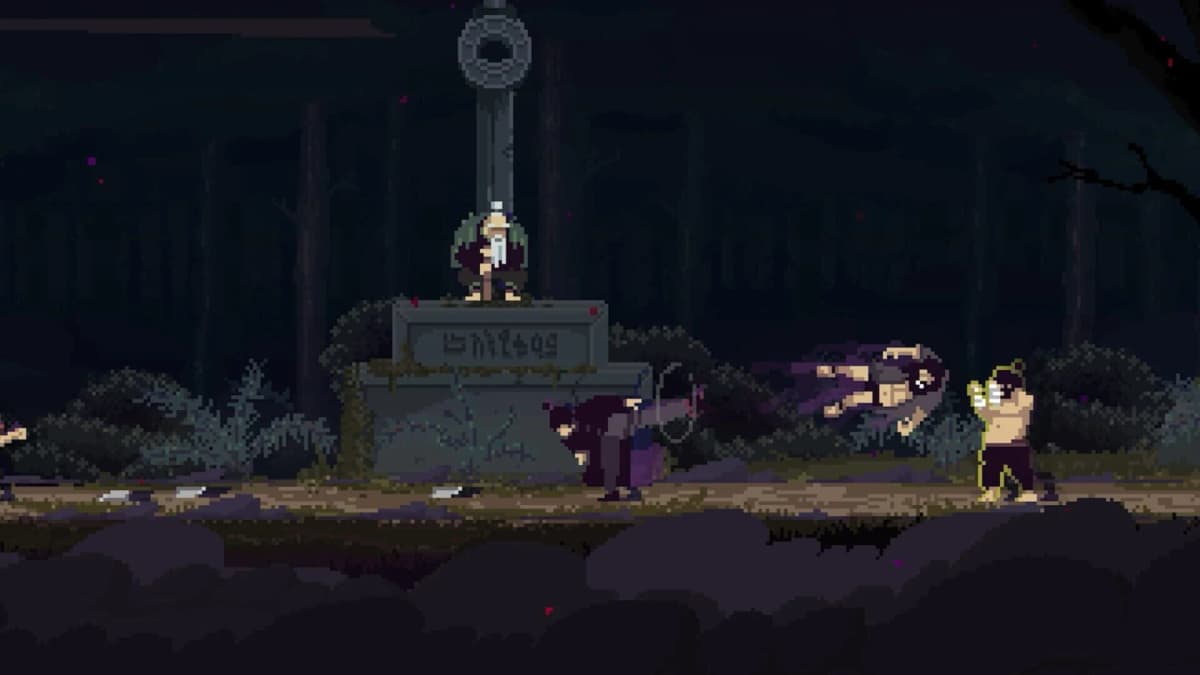
Forestrike nails tactical kung fu with a rewindable twist — but will it keep runs snappy?
Game intel
Forestrike
Forestrike is a tactical kung-fu fighting game with a supernatural twist. Use your 'foresight' ability to visualize fights before they happen and hone your ski…
This martial-arts roguelite caught my eye for one reason: Foresight
Skeleton Crew Studio and Devolver Digital are dropping Forestrike on November 17 for PC and Nintendo Switch, and it isn’t just another pixel-art roguelite. The hook is a “Foresight” system that lets you preview encounters, test a plan, then replay the fight for real. Think Katana Zero’s rehearsed perfection meets John Wick Hex’s tactical choreography-only run-based, with five martial arts schools to master. That pitch immediately grabbed me because it promises fewer cheap deaths and more intention, which is exactly where the genre needs to evolve.
- Foresight lets you sandbox encounters before you commit-potentially killing trial-and-error frustration.
- Five distinct masters/schools aim for real build variety, not just cosmetic styles.
- Run-based progression could be great-if it avoids grind-gated power creep.
- Updated Steam Next Fest demo adds a third school and new locations to test the pacing.
Breaking down the announcement
Forestrike launches November 17 on PC (Steam) and Nintendo Switch. You play as Yu, a monastic warrior working through procedural scenarios with a toolkit that shifts depending on your chosen master. Each “school” changes your move set and flow, and the studio says you’ll build power over multiple runs via meta unlocks. Ahead of release, an updated Steam Next Fest demo is live, adding a third combat school and new locations—smart timing for letting players shake out whether Foresight makes fights feel strategic or sluggish.
The real story: Foresight could be a game-changer
We’ve seen riffs on premeditated action before. Katana Zero framed rewinds as “that was the plan all along,” while John Wick Hex turned gun-fu into a timeline puzzle. Forestrike seems to split the difference: plan freely in Foresight, then execute your chosen sequence in real time. If Skeleton Crew nails the balance, this could fix the biggest pain point in combat roguelites—random spikes and unseen gotchas—by letting you scout, iterate, and commit. Imagine testing a risky corner juggle, perfecting spacing on a crowd control opener, or practicing a dodge-cancel string until it feels right, then hitting play to make it real.
The flip side: analysis paralysis is real. If Foresight has no limits, players (hi, it’s me) can spend forever optimizing, which tanks pacing and run times. I want to know how the final build constrains it. Soft timers? Scoring bonuses for fewer previews? Limited charges that refresh between rooms? Any of those would push you to take calculated risks instead of crafting a perfect movie take every time.
Five schools—meaningful builds or palette swaps?
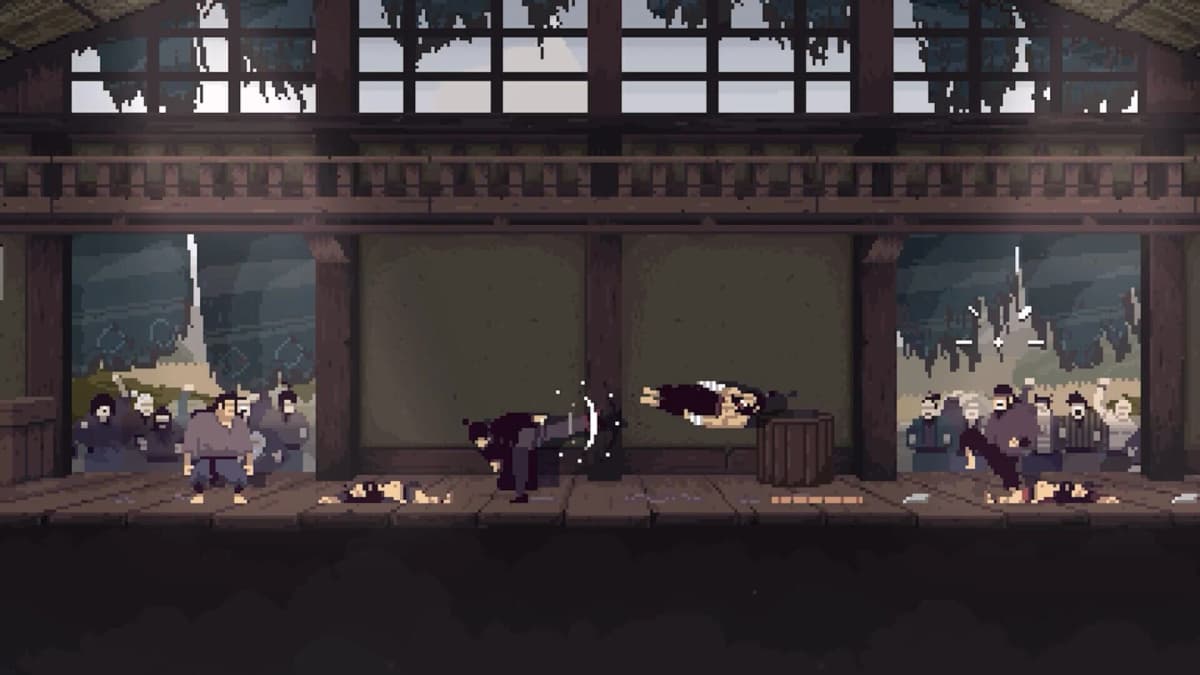
Devolver’s pitch highlights five masters and schools. Great on paper, but variety lives and dies on verbs, not skins. If one school majors in evasive counters and stance breaks, another leans into grapples and ring-outs, and a third emphasizes rapid crowd control chains, that’s real choice. What I’ll be watching for in the demo is whether these styles meaningfully change your Foresight decisions: different openers, different risk tolerance, different ideal room routing. If schools feel interchangeable, Forestrike loses half its identity.
Run-based progression is another tightrope. The best-in-class—Hades and Dead Cells—front-load viable kits and make meta unlocks feel like breadth, not raw power. If Forestrike locks essential survivability or core tools behind hours of grind, the planning fantasy collapses into “you die until the numbers say you don’t.” The demo should hint at this: do early runs feel skill-forward, or is meta XP doing the heavy lifting?

Switch port watch: style fits, performance is the question
Pixel art and tight arenas usually translate well to Switch, but timing-sensitive combat exposes frame dips fast. Devolver’s track record is mostly solid on Nintendo’s handheld, though we’ve all seen launches that needed a couple patches to hit their stride. Forestrike’s premise lives or dies on input feel; if your rehearsed plan stutters during execution, the whole fantasy breaks. I’ll be curious whether the Switch version targets a locked 60 and how it handles busy crowd scenes where particle spam can stack up.
Why this matters now
Roguelites are everywhere in 2025. To stand out, you either need knockout feel (Sifu did this for martial arts, even if it wasn’t a roguelite) or a clear mechanical twist. Forestrike has a shot at both. If Foresight makes mastery visible—letting you practice, learn, and then flex that learning in real time—it could be the rare run-based game that rewards study without wasting your time. And with an expanded Next Fest demo, we don’t have to guess; we can see whether the mechanic accelerates flow or turns every room into a rehearsal studio.
What gamers should do next
Grab the demo and try two things: first, play a few rooms planning obsessively; then, impose a self-limit—one preview, then go. If the game still feels fair and fun, that’s a great sign for launch. Kick the tires on at least two schools to check for real move-set variety, and watch for early meta unlocks that alter your decision-making rather than just juicing stats.
TL;DR
Forestrike lands November 17 on PC and Switch with a bold plan-then-execute Foresight system, five martial arts schools, and roguelite runs. If the demo proves Foresight speeds up mastery instead of slowing runs to a crawl, this could be one of 2025’s smarter action roguelites. The concept rules—now it’s all about feel, variety, and pacing.