
Why Forestrike’s Foresight Mechanic Could Redefine Roguelites
Game intel
Forestrike
Forestrike is a tactical kung-fu fighting game with a supernatural twist. Use your 'foresight' ability to visualize fights before they happen and hone your ski…
Forestrike’s Reveal Hooked Me for One Reason: Foresight
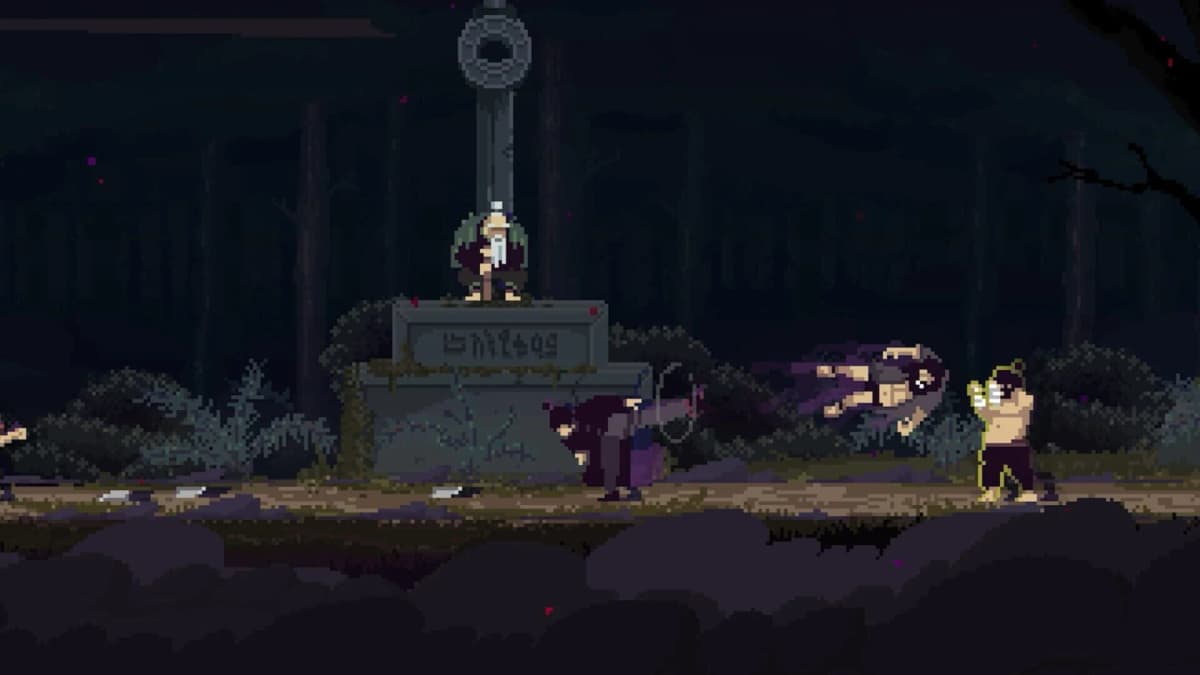
Devolver’s upcoming martial-arts roguelite, Forestrike, isn’t boasting bigger numbers or splashy loot drops. Instead, it’s selling a single, electrifying idea: a “Foresight” mechanic that lets you preview a fight, plan every move like a puzzle, and then commit to your blueprint in real time. As someone who’s blistered through countless roguelites, this hooked me immediately. It flips the genre’s trial-and-error loop on its head—imagine Hades, but where every room begs you to refine a battle plan before swinging your sword.
Key Takeaways
- Launch date: November 17, 2025 on PC (Steam) and Nintendo Switch.
- Steam Next Fest demo now includes three of five martial-arts schools, fresh enemy types, and new demo arenas.
- Play as Yu, a monastic warrior mastering five distinct combat stances, each with unique tempos and synergies.
- Foresight mode slows time, reveals enemy telegraphs, and simulates your chosen sequence—fail harmlessly until you hit “commit.”
Breaking Down Why Foresight Matters
At its core, Forestrike offers two loops: the classic roguelite progression, and a tactical planning phase for each encounter. In Foresight mode, you can step back into a slowed-down, translucent version of the arena. Enemies telegraph their moves with colored indicators—red arcs for heavy strikes, blue lines for ranged volleys, and yellow sweeps for crowd-control attacks. You then chain up to eight actions: dashes, counters, stances, or traps. Once satisfied, you exit Foresight and watch your plan unfold in real time. Victory feels earned, not random; failure becomes a lesson rather than a frustration.
This approach recalls Into the Breach’s open books—every enemy move is visible—and John Wick Hex’s pre-planning—but integrated into a slick, side-scrolling kung-fu brawler. If Skeleton Crew nails clarity in previews and preserves enough unpredictability, Forestrike could reward thoughtful play over brute-force button-mashing.
Hands-On with the Steam Next Fest Demo
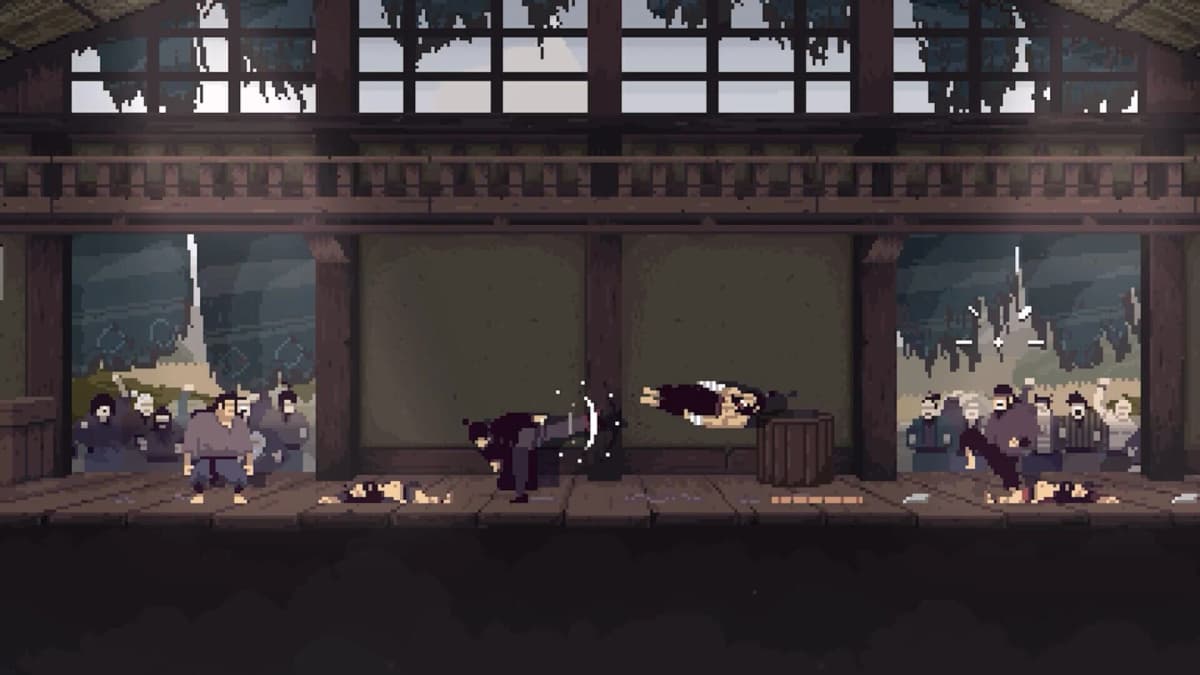
I spent two hours in the updated Steam test, which now showcases the third combat school—the Shadow Lotus. This style adds teleport-slashes, smoke decoys, and a “shadow tether” that drags an enemy toward you when you commit a finisher. In one demo room set in a crumbling temple, I faced two Iron Juggernauts (big guys with charging shoulder tackles) and a Fan Spinner (a nimble foe that whirls a razor-edged fan). Here’s how a typical Foresight session went:
- Activated Foresight: time slowed to 40 percent, the arena turned misty gray, and all enemy telegraphs glowed bright.
- Sequence plan:
- Move 1: Dash-slash behind the first Juggernaut to break its guard.
- Move 2: Deploy smoke decoy to lure the Fan Spinner into a stun window.
- Move 3–5: Execute a Shadow Lotus combo—teleport slash, ground bounce, finishing strike—on the stunned Spinner.
- Move 6–8: Circle-dash around the second Juggernaut, then trap it between a pillar crack, triggering an environmental collapse.
- Committed sequence: Watch enemies react exactly as previewed. The first Juggernaut dropped guard, the Spinner stumbled into my trap, and the second one got pinned under rubble.
- Success: Exited battle smoothly, earning chi shards to upgrade my “Crimson Crane” stance.
This demo proved the concept: clear telegraphs, responsive controls, and a satisfying “aha” moment when your plan clicks. However, I did notice one hiccup on Switch in handheld mode: occasional frame dips below 25 fps during the telegraph bloom effects. Ideally, this should be locked at 60 fps or at least a steady 30 fps to keep Foresight precision crisp.
Why Foresight Could Be Brilliant—and Where It Might Break
Real kung-fu is about rhythm, spacing, and reading your opponent’s intention. Foresight captures that by letting you mentally spar before you commit. It turns each encounter into a puzzle: which crowd-control tech to use, which enemy to bait, how to sequence stances to maximize knockdowns.
But I have two big concerns:
- Determinism vs. Dynamism: If every enemy move is locked in and no random elements intervene, runs could feel “solved” rather than organic. Ideal balance comes from small variables—enemy aggression levels that shift, environmental hazards like breakable tiles, or even resource trade-offs (spend chi to boost your first three moves but start with less stamina).
- Progression Impact: Permanent upgrades across runs keep you growing, but they can also trivialize the planning. If meta-unlocks simply boost raw damage, early encounters lose sting. Devolver’s track record with Enter the Gungeon and Loop Hero suggests they’ll favor new tactical options over flat power spikes—but it remains to be seen.
Five Schools, Real Variety—or Just Five Skill Trees?
Forestrike promises five distinct martial-arts schools: Crimson Crane (precision strikes), Stone Serpent (heavy, armor-breaking attacks), Shadow Lotus (stealth and disruption), Azure Torrent (fluid combos and rapid counters), and Ember Fist (charged elemental blasts). In the demo, I tried Crimson Crane’s airborne sweep to juggle foes, then switched to Azure Torrent mid-run to add quick parry ripostes. Each school shifts your pace. The question: will these styles force you to rethink your Foresight plan, or simply offer color-coded damage variants? Sarklining from the dev blog, the team says they’ve tuned each school around “distinct encounter archetypes,” but until we play the full build, it’s hard to know if synergy nets more than a smoother DPS curve.

What I can confirm: demo arenas change shape. The bamboo courtyard’s narrow corridors push you into single-file engagements, while the flooded gallery offers platforms at varying heights. These layout wrinkles are essential—without them, Foresight risks becoming a flat, chess-board puzzle with no verticality or positional play.
Want to Level Up Your Gaming?
Get access to exclusive strategies, hidden tips, and pro-level insights that we don't share publicly.
Ultimate Gaming Strategy Guide + Weekly Pro Tips
Progression, Meta-Layers, and Puzzle Solving
Between runs, you return to a mountain monastery hub. Here you invest chi shards in unlocking new schools, upgrade universal stats like health or energy regen, and rescue travelers who grant passive buffs. One rescued alchemist gave me a temporary lantern that revealed hidden traps in Foresight mode—an example of how meta-progression can feed back into the planning loop. If each permanent upgrade unlocks a fresh Foresight utility—like longer preview windows or additional move slots—the roguelite puzzle loop deepens instead of dumbing down.
Long-term, I’m curious how story fragments tie into this. The pitch is Yu is rescuing the Emperor by unearthing five ancient masters’ secrets. If narrative stakes unlock new combat modifications (imagine a betrayal that removes one Foresight slot until you resolve it), you get drama that directly impacts your tactics. That’s the sweet spot where systems and story reinforce each other.
Switch Performance, Price, and No-Nonsense Premium Launch
On Nintendo Switch, the ask is simple: a stable framerate so Foresight telegraphs stay readable and inputs land predictably. In my hands-on, the demo hovered around 30 fps docked with occasional dips near telegraph triggers. Handheld mode dipped closer to 25 fps. I’d expect the final build to target at least 30 fps locked with a narrow performance mode toggle; anything lower undercuts the precision that makes Foresight meaningful.
Price point remains unannounced, but the absence of live-service hooks or microtransactions suggests a straightforward premium model. You buy Forestrike, you get its systems, no battle passes or DLC season passes at launch. That’s exactly how a Devolver game should land—let the depth come from gameplay, not monetization.
Demo Tips from Hands-On Time
- Lean into Foresight’s slow motion: take the full preview time instead of rushing through moves.
- Experiment with a defensive opener—chain a counter move first to bait enemy attacks.
- Mix schools early: even one Shadow Lotus teleport can unlock combos in a Crimson Crane rotation.
- Focus tweaks on the first two actions if a plan fails; small adjustments yield bigger results than wholesale changes.
- Note environment cues: breakable floors, height differences, and trap triggers all show up in preview mode.
TL;DR
Forestrike stands out because Foresight reframes combat as a plan-first puzzle without ditching the thrill of live execution. If Skeleton Crew nails telegraph clarity, preserves unpredictability, and ensures progression offers new tactical toys rather than raw power, Forestrike could be 2025’s smartest roguelite. The updated Steam Next Fest demo—and the performance improvements on Switch—will be the litmus tests. I’m cautiously optimistic: this is exactly the kind of innovation the genre needs.