
Fortnite OG: Chapter 1 Season 7 is selling you a perfect memory of what Fortnite used to be, right as Epic is quietly admitting it can’t afford the future it promised.
More than 1,000 people – about 20% of Epic Games – are gone after a brutal round of layoffs on March 24, 2026. CEO Tim Sweeney says Fortnite engagement has slumped since 2025, spending is below what it costs to run the game, and the wider market is “the most extreme” it’s been in years. For a live-service giant that other publishers spent a decade trying (and failing) to copy, this is not just a bad quarter. It’s a flashing red warning light for the entire model.
Table of Contents (8)
Key takeaways
- Epic has cut ~1,000 jobs and is targeting over $500 million in cost savings, directly tied to a Fortnite downturn and rising costs.
- Producers are openly unsure how this will hit seasonal updates, live events, and modes beyond the core battle royale – Fortnite’s famous “always-on” cadence is at risk.
- High‑value tech staff on Unreal Engine and internal tools have been caught in the blast, which will ripple into Fortnite, UEFN, and whatever “metaverse” plan is left.
- The way Epic handled these cuts — including a terminally ill worker losing life insurance — has torched internal trust at the exact moment live service needs its team most.
Fortnite OG is the sugar high that didn’t fix the crash
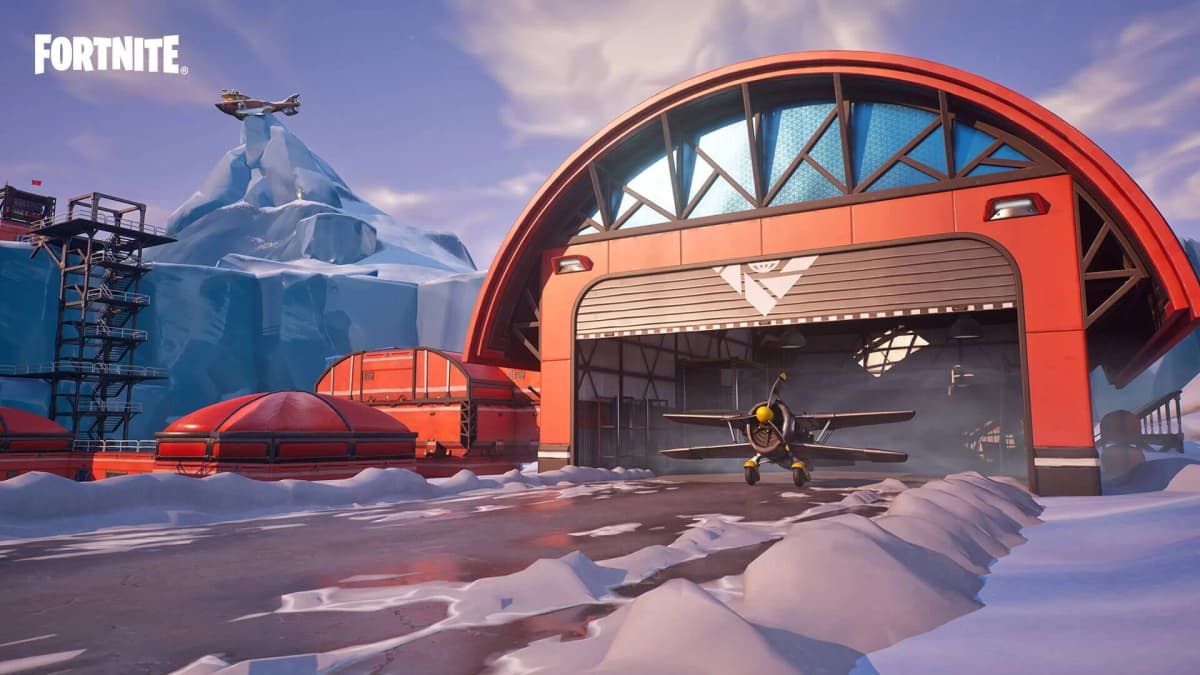
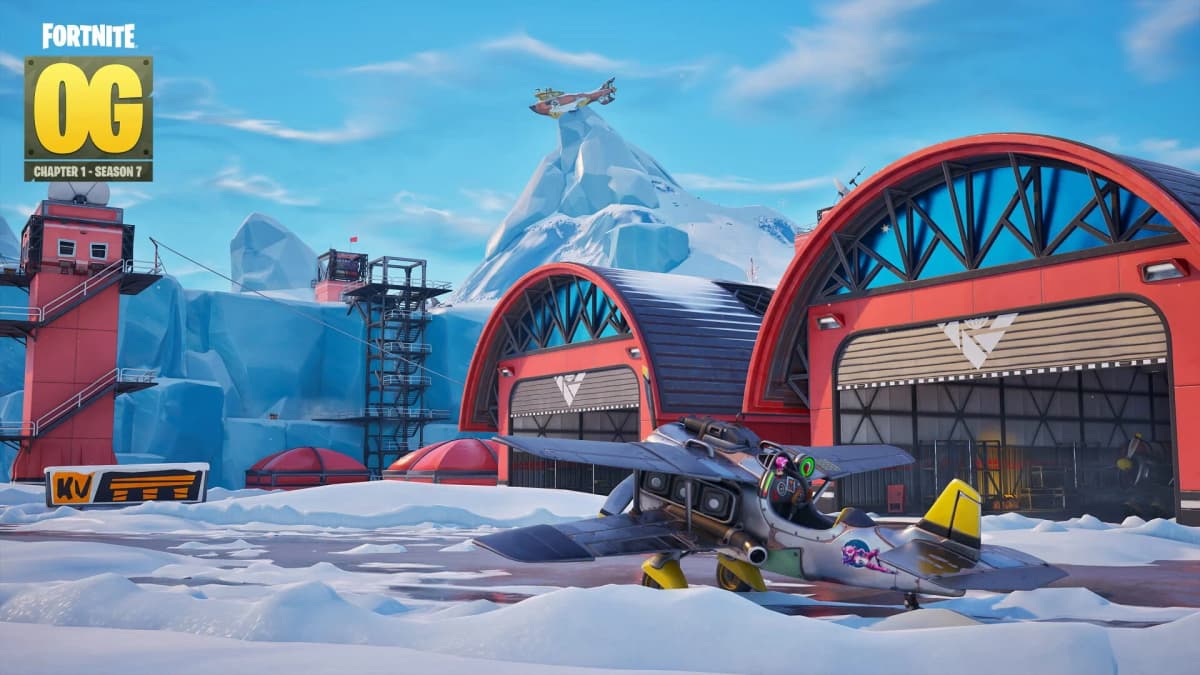
The timing is brutal. While players are flying planes and revisiting classic POIs in Fortnite OG: Chapter 1 Season 7, Epic’s financials are telling a different story: the nostalgia sprint didn’t save the long-term curve.
Sweeney’s own data points back that up. On PlayStation, average monthly Fortnite playtime dropped from around 21 hours in February 2025 to roughly 16 hours in February 2026. Xbox trends are similar. Fortnite still tops the U.S. console charts by monthly active users — but “most played” is not the same as “profitable enough to justify a 5,000‑person empire and a metaverse moonshot.”
Epic already pulled one obvious lever: raising V‑Bucks prices. When that didn’t close the gap, it moved to the one gamers always end up paying for anyway — cutting the people who actually make the stuff you log in for.
This is the uncomfortable truth the Fortnite OG marketing doesn’t mention: those throwback seasons look like a victory lap, but they also look like a company out of big ideas chasing engagement with old hits because new bets aren’t landing hard enough to pay the bills.
These layoffs don’t just trim fat — they rewrite Fortnite’s roadmap
On paper, Epic says Fortnite will keep getting seasons and events. Of course it does; you don’t tell tens of millions of players “the party’s over” while you’re still selling battle passes.
But behind the scenes, producers have been blunt in interviews: nobody can say yet what this does to the seasonal cadence, live events, or the experimental modes that turned Fortnite into a platform instead of just a battle royale.
Here’s what’s already happening, according to public reporting and staff posts:
- Peripheral modes are getting axed or quietly sunset — including spin‑offs like Rocket Racing and parts of Festival/Battle content.
- Contracting, marketing, and hiring are all being pulled back as Epic hunts for $500M+ in savings.
- Some tools and modes are being handed off to the community rather than supported internally.
That’s exactly what it looks like when a studio stops treating a game as an endlessly expanding platform and starts treating it as a product to be maintained at the lowest sustainable cost.
The best‑case scenario is consolidation: Epic focuses on the core battle royale, a slimmed‑down Creative/UEFN ecosystem, and a more manageable cadence of events. The worst case is slower updates, fewer risks, and more aggressive monetization designed by a smaller, more stressed team.
If you’ve wondered why live events have felt less earth‑shattering than the black hole days, or why some seasons feel like they’re stretching one idea too thin, this is the structural reason: the machine that kept everything moving just lost a fifth of its parts.
The damage goes beyond Fortnite: Unreal and Verse are in the blast radius
This isn’t just a “Fortnite team” problem. A Japanese report from Automaton highlighted one especially telling layoff: Ludovic Chabant, a senior Unreal Engine engineer who says he was effectively the person behind UE5’s gameplay camera system.
He’s out. And in his public posts, he raised concerns about Epic’s push toward an Unreal Engine 6 future centered on its Verse scripting language, and how editor tooling and Blueprint integration might suffer.

When people like that get cut, it tells you this isn’t just PR “restructuring” around the edges. Fortnite is built on Unreal and increasingly on UEFN and Verse-powered content. If core engine systems are losing their champions, that eventually bleeds into how fast Fortnite can ship new mechanics, how smooth its wild experiments feel, and how easy it is for creators to build the stuff Epic wants to lean on to keep you logging in.
Epic’s long-term pitch was simple: Fortnite as a metaverse hub, powered by Unreal, with player‑made experiences doing a lot of the heavy lifting. These layoffs make that vision look less like a bold plan and more like a very expensive hobby that never reached escape velocity.
The human cost will hit the game, whether Epic admits it or not
Every layoff wave in games comes with horror stories, but Epic’s 2026 cuts managed to hit a new low. One of the people laid off was a terminally ill employee whose life insurance — provided through Epic — lapsed the moment they were cut. After public backlash and internal outrage, Sweeney apologized and said Epic would work to restore coverage.
You don’t fix that kind of damage with an apology memo.
Developers talk. The message they just got is that even at one of the richest, most important companies in games, you are a line item — and a volatile one. That absolutely affects who stays, who leaves, and how much creative risk people are willing to take on the projects that survive.
Layoffs also create what studios politely call “execution risk.” You now have fewer people, institutional knowledge has walked out the door, and the folks still there are doing more with less, under more scrutiny. That’s how bugs slip through, live events misfire, and big new ideas get watered down into safe, grindy progression systems.
When you’re asking players to commit to a forever game — to buy the next battle pass, the next Founder’s Pack, the next V‑Bucks bundle — that wobble in quality and ambition is exactly what kills trust. And once players feel like a live service is coasting, it’s a very short trip to uninstall.
Fortnite just became the cautionary tale for live‑service excess
For a decade, “be the next Fortnite” was the pitch that got studios funded and live‑service projects greenlit. The industry ran itself ragged chasing that level of engagement with battle passes, endless grinds, and FOMO events.
Now the original success story is quietly admitting the math doesn’t work like it used to — even when you’re on top of the charts, even when you bring back the most beloved seasons in your history.
Rising development costs, slower console sales, weaker consumer spending, legal battles over platform cuts, and an audience that’s simply tired of maintaining a dozen live-service obligations every week — that’s the cocktail Epic is blaming in public. None of that is unique to Fortnite. The difference is scale. If Epic can’t make this sustainable at Fortnite’s size, how confident should you be that the mid‑tier live-service you’re dabbling in is going to be around in two years?
This is where the verdict lands: Fortnite will almost certainly survive these layoffs. It will keep getting seasons, crossovers, and events. But the dream of Fortnite as an endlessly expanding, all‑things‑to‑everyone live‑service universe just died a very expensive death.
What’s left is a still‑huge, still‑fun game that now has to live within its means — and an industry that can no longer pretend the Fortnite model is a cheat code instead of a warning label.
What to watch next
- The next 2-3 seasons after Chapter 1 Season 7 OG: If season lengths stretch, event complexity drops, or experiments dry up, you’re seeing the layoffs on screen.
- How fast UEFN/creator content ramps: A bigger push to highlight community‑made modes would confirm Epic is leaning harder on players to fill the content gap.
- Further mode shutdowns or delistings: More spin‑offs or legacy content being quietly killed would signal deeper retreat from the “metaverse” platform plan.
- Talent exodus: Watch for senior Fortnite and Unreal devs announcing departures over the rest of 2026 — that’s your early warning for long‑term slowdown.
TL;DR
Epic just laid off over 1,000 people — about 20% of the company — after Fortnite engagement and spending dropped below what it costs to run the game. While Fortnite OG: Chapter 1 Season 7 leans on nostalgia, the cuts cast serious doubt on the game’s aggressive live-service roadmap, its experimental modes, and Epic’s bigger “Fortnite as metaverse” ambitions. Expect Fortnite to survive, but leaner, slower, and more conservative — and take that as a verdict on the live‑service gold rush the rest of the industry has been chasing.
FinalBoss // Gear
Level up your setup
01Top-rated gaming headsetson Amazon→02High-refresh gaming monitorson Amazon→03Gaming chairson Amazon→04Discounted game keyson Kinguin→Affiliate links · As an Amazon Associate, FinalBoss earns from qualifying purchases.
Want to Level Up Your Gaming?
Get access to exclusive strategies, hidden tips, and pro-level insights that we don't share publicly.
Ultimate Gaming Strategy Guide + Weekly Pro Tips