
Fortnite finally pulled the trigger on an Overwatch crossover, and the immediate takeaway is simple: yes, it is real, yes, it is live with Chapter 7 Season 2 Act 3, and yes, Epic went straight for the safest possible hero lineup. Mercy, D.Va, Tracer, and Genji are in, alongside Overwatch-themed content that goes beyond a basic item shop dump. That last part matters more than the trailer did. This looks less like a lazy skin bundle and more like one of Fortnite’s broader brand integrations, with themed locations, gear, and event flavor built into the island.
The practical version for players is easy enough: if you wanted the obvious Overwatch faces in Fortnite, you got them. Tracer, Mercy, Genji, and D.Va are the public-facing stars, and reported event details point to themed landmarks including Hanamura, Busan, and King’s Row, plus matching accessories and classic Overwatch-style weapons or equipment touches. That is a much more substantial play than “here are four skins, see you in the shop rotation.” It means Epic wants this collab to feel like a temporary remix of Fortnite’s world, not just a licensed checkout lane.
Table of Contents (4)
Epic picked the four heroes nobody needed explained
There is no mystery to the roster choice. These are the most marketable Overwatch silhouettes and voice lines Blizzard has. Mercy is instantly recognizable. Tracer is still the face of the franchise for a lot of people, even after years of Blizzard trying to broaden that identity. Genji has crossover-friendly visual design written all over him. And D.Va was always getting in because she sells. If you were expecting a weirder, more confident first wave like Reaper, Kiriko, or Reinhardt, that was never how this was going to go.
That does not make the lineup bad. It makes it calculated. Fortnite crossovers live or die on instant recognition, especially with players who may not have touched Overwatch in years but still know exactly what “Heroes never die” means. Epic and Blizzard did not build this first drop for lore obsessives. They built it for broad conversion: old Overwatch players, current Fortnite regulars, and the huge middle group that just likes iconic character skins.
The one slightly awkward detail is D.Va apparently arriving without the mech as the centerpiece. That is understandable from a gameplay and hitbox standpoint, but it also exposes the usual crossover compromise: some characters are popular because of what they do, not just how they look. D.Va without the mech is still D.Va, technically. It is also a reminder that these collabs often preserve the brand while trimming the thing that made the character special.
This matters because it is bigger than a skin shop rotation
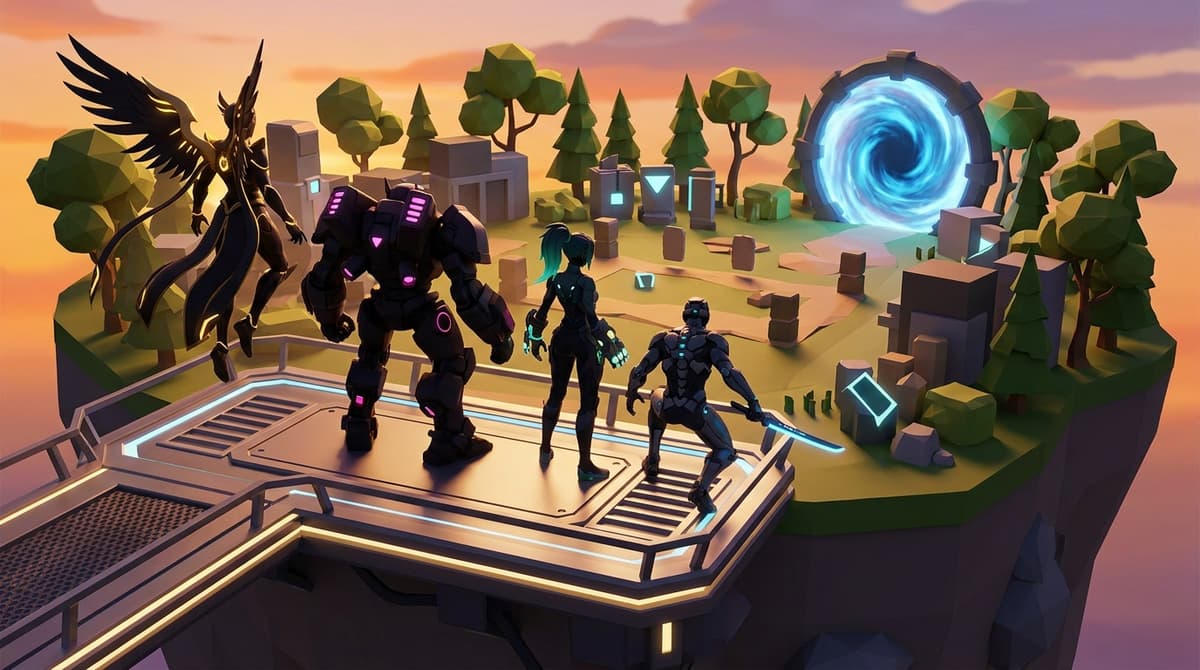
The more interesting part of this update is the map-side commitment. Reported themed locations like Hanamura, Busan, and King’s Row suggest Epic is borrowing Overwatch’s visual language, not just its costume closet. That is what separates the good Fortnite collabs from the disposable ones. Anyone can sell a branded outfit. Building part of the island around another game’s identity is the part that takes real intent.
Fortnite has been doing this for years, and the pattern is pretty clear by now. The throwaway collaborations are mostly there to move V-Bucks. The memorable ones leave fingerprints on the game itself. When players can land somewhere that feels tied to the guest universe, use themed gear, or run into quests and NPCs that sell the fiction, the crossover stops being background marketing and starts becoming actual live-service content.
That is also why this collab lands at an interesting moment for Blizzard. Overwatch has spent years fighting a perception problem: big brand recognition, shakier player trust. A Fortnite crossover does not fix any of that. But it does accomplish something Blizzard absolutely wants right now – it puts Overwatch back in front of a massive audience as a culturally legible brand instead of a game people mostly discuss through balance complaints and monetization fatigue.

The question Blizzard would probably rather not answer
Here is the uncomfortable bit: does this crossover do anything for Overwatch itself, or is it just a reminder that the characters still have more crossover value than the game has momentum? That is not a cheap shot. It is the real tension around this announcement. Blizzard’s heroes remain some of the strongest character designs in multiplayer history. Their ability to sell outside their home game has never really been the issue.
So the question I would put to Epic or Blizzard is pretty direct: why now, beyond the obvious branding upside? If this is tied to Overwatch’s anniversary momentum and broader franchise visibility, fine. That tracks. But players have learned to separate character popularity from game health. A successful Fortnite collab can prove people still like Mercy and Genji. It cannot prove they are happy with Overwatch’s direction.
That does not make the crossover cynical by default. It just means gamers should be honest about what this kind of event actually measures. Skin sales tell you a lot about affection for a cast. They tell you much less about long-term confidence in the live-service machine those characters came from.
What to watch next is not the trailer – it is the follow-through
The next useful signal is whether Epic treats this as a one-week novelty or a genuinely supported mini-event. Players should watch for three things:
- How substantial the Overwatch-themed landmarks actually are in live matches, not just in promo shots.
- Whether the accessories, quests, and possible NPC or weapon tie-ins add gameplay flavor instead of pure storefront bait.
- Whether Epic expands the collab later with less obvious hero picks, which would signal confidence beyond the starter-pack roster.
There is also a broader Fortnite angle here. This update arrives alongside other gameplay changes, which is very much Epic’s usual trick: wrap crossover hype around systems tweaks so the patch feels larger than one licensed event. Smart move. It keeps the game from feeling like an ad platform wearing a battle royale skin, even if that line gets thinner every year.
Bottom line: the Overwatch crossover is official, fairly substantial, and probably going to do numbers because Epic and Blizzard chose characters with near-zero risk. If you are logging in for Mercy, Tracer, Genji, or D.Va, you are getting exactly what was advertised. If you are looking for what this means beyond cosmetics, the answer is that Epic still knows the difference between selling a skin and staging a branded moment. Blizzard, meanwhile, gets a valuable reminder that people still love Overwatch’s heroes. The harder part, as usual, is making them feel that way about Overwatch itself.
FinalBoss // Gear
Level up your setup
01Top-rated gaming headsetson Amazon→02High-refresh gaming monitorson Amazon→03Gaming chairson Amazon→04Discounted game keyson Kinguin→Affiliate links · As an Amazon Associate, FinalBoss earns from qualifying purchases.
Want to Level Up Your Gaming?
Get access to exclusive strategies, hidden tips, and pro-level insights that we don't share publicly.
Ultimate Gaming Strategy Guide + Weekly Pro Tips