
Zero Build has spent years being treated like Fortnite’s successful side mode. Not anymore. If the new Act 3 ruleset holds, Epic has stopped merely “supporting” Zero Build and started designing it like a first-class version of the game with its own combat logic, pacing, and skill checks. That matters more than any crossover trailer, because Pocket Items, always-on glider redeploy, elimination-based overshields, sprint-pickaxe mobility, and faster reboots don’t just add convenience. They flatten some old frustrations and create a much nastier tempo game.
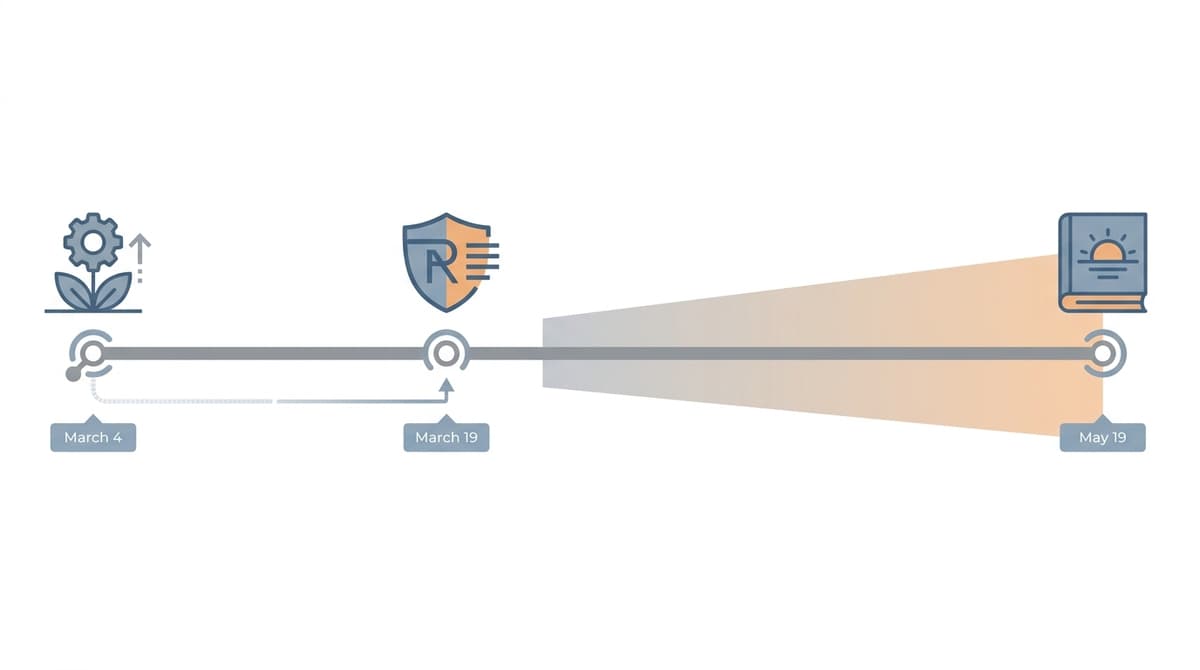
There is one caveat up front: public season-level documentation confirms Chapter 7 Season 2 runs from March 4 to May 19, 2026, but “Act 3” itself does not appear to be a standard, well-documented Epic ruleset label in the broader public record. Likewise, some of these Zero Build-specific features were not clearly established in the external research summary via official patch notes. But the gameplay overview and reporting around the May 14 update point in the same direction: Zero Build is getting a serious systems pass, late in the season, and that is the real story.
Table of Contents (5)
This is not a balance patch, it’s a philosophy change
The cleanest way to understand these changes is simple: Epic is giving Zero Build its own substitute language for mechanics that build mode gets from walls, ramps, and edits. The reported “Pocket Item” system is the biggest tell. Instead of the old build button being dead weight, Zero Build players reportedly get a dedicated utility slot with effects like shockwaves, shield bubbles, or healing utility, and those options can be swapped through vending machines.
That is a bigger deal than it sounds. In old Zero Build, a lot of fights were decided by one ugly truth: if you got caught in the wrong patch of terrain, you had fewer recovery tools than build players and fewer ways to force your own tempo. A utility layer tied directly to the mode’s control scheme is Epic admitting the obvious. Zero Build needed more than “same island, fewer buttons.” It needed its own answer to instant cover, repositioning, and emergency survivability.
If you’re cynical, and you should be at least a little, the question is whether this becomes a real tactical system or just a rotating pile of training wheels. Shockwaves and bubbles can create smart counterplay. They can also become another way for players to erase bad positioning on demand. The difference will come down to cooldowns, spawn logic, swap access, and how often the best option becomes mandatory.
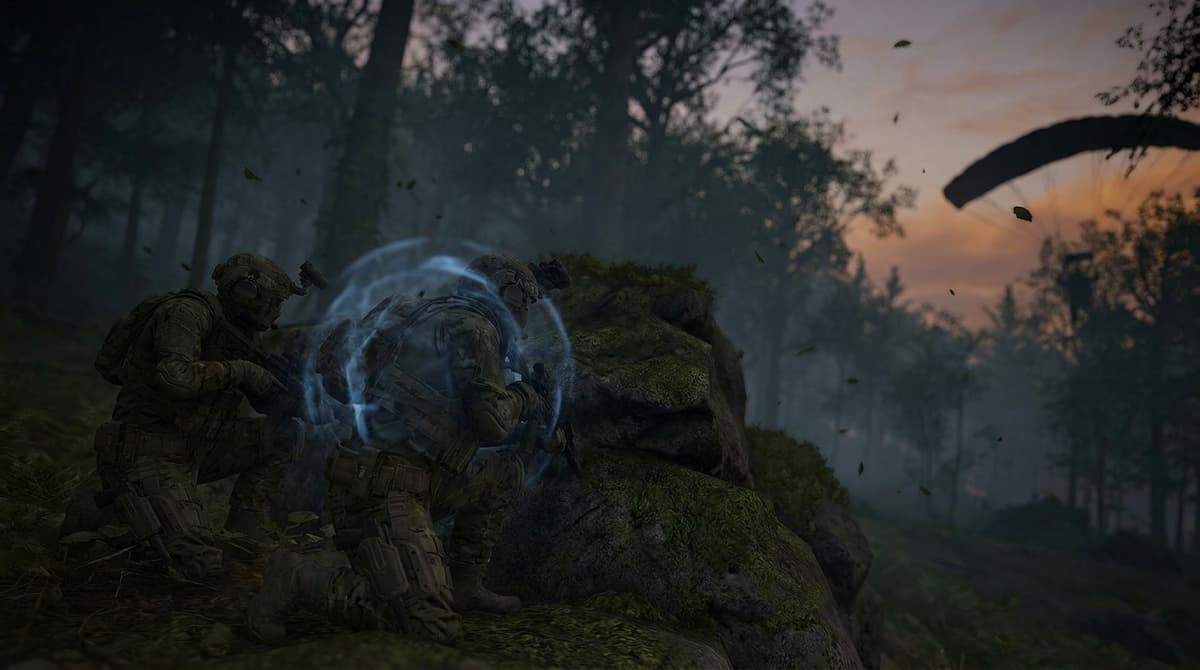
Always-on glider redeploy changes who gets punished for bad rotations
Permanent glider redeploy is the kind of change that sounds casual-friendly until you think about what it does to the whole match. High ground becomes less final. Vertical map design gets safer. Chasing gets stranger. Third parties get faster. Bad rotates become recoverable. Good rotates become easier to contest.
That is why this is bigger than a mobility buff. It reduces one of Zero Build’s harshest failure states: getting beamed because the map asked for an awkward drop or exposed traverse and you had no structural bailout. Combined with reported sprint-pickaxe movement and effectively unlimited stamina while using it, Epic seems to be attacking dead-time and helplessness from multiple angles. The mode gets faster, more expressive, and less punishing when the terrain turns against you.
The uncomfortable observation: all of this also risks making disengagement too easy. One of the few hard commitments left in Zero Build was movement choice. If everybody can chain mobility, reset spacing, then float out of bad situations, firefights can start feeling less like committed duels and more like a series of postponed conclusions. Epic needs that line very carefully tuned, because there is a fine difference between “fluid” and “slippery.”
Overshields on eliminations push Zero Build toward momentum snowballing
The reported overshield gain on eliminations is where this ruleset shows its teeth. This is not just survivability. It is a direct reward for finishing fights quickly and instantly preparing for the inevitable third party. In practical terms, the player who wins the first engagement is now better insulated against the second one. That shifts the mode toward snowball logic.
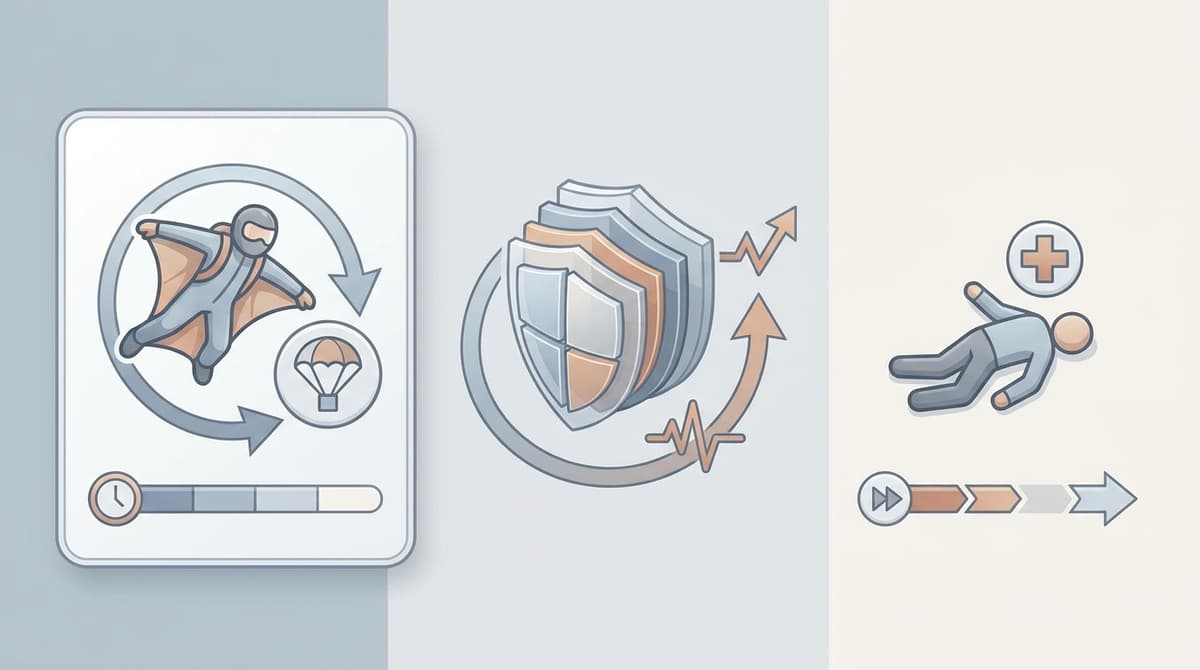
Sometimes that is good. Zero Build has always had a cleanup problem: you outplay one opponent, then another player arrives while you are still healing and looting in the open because, again, no builds. Elimination-based overshields are Epic’s answer to that vulnerability. It is a smart answer. It also obviously benefits aggressive players with strong tracking and fast wipe potential more than cautious teams trying to stabilize.
Add faster reboots to the mix and the whole push-turtle loop changes. Reboot vans become less like a desperate last stand and more like a realistic reset tool. That means teams can take riskier fights earlier, knowing recovery windows are shorter. But it also means punishing a cracked squad no longer guarantees they stay down. Matches should become more volatile: more collapses, more recoveries, fewer long periods of passive hiding after one teammate dies.
If I were grilling Epic’s PR team, the question would be blunt: what stops this from becoming a runaway advantage machine for already-winning squads? Overshield-on-elim and faster reboots both sound great in isolation. Together, they can either reduce frustration or turbocharge snowballing depending on the exact numbers.
The bigger message is that Zero Build is no longer just Fortnite with walls removed
This is the pattern worth watching. The games industry loves to launch “alt modes” that succeed despite limited support, then spends years pretending they are equal while obviously prioritizing the original ruleset. Zero Build has now been around long enough, and remained important enough, that Epic seems willing to build bespoke mechanics around its identity instead of treating it as a stripped version of Battle Royale.
That is the genuinely interesting part here. Not the marketing. Not the crossover noise. The underlying design signal. Epic appears to understand that Zero Build players do not just want a simpler Fortnite. They want a different Fortnite, one where survivability, utility, and repositioning are solved through mode-specific systems instead of awkward leftovers from build mode balance.
Historically, this is how side modes become permanent pillars. First they get population. Then they get playlists. Then they get real tuning. Then, if the publisher is serious, they get mechanics that would make no sense anywhere else. Pocket Items look a lot like that stage.
What to watch next
- Official patch notes or Epic news posts clarifying the exact rules, because some of these features still need hard public documentation beyond overview coverage.
- Whether Pocket Item choices are genuinely situational or whether one option quickly becomes the obvious meta pick.
- How often endgames turn into redeploy chaos. If everyone can reset vertically for free, final circles may get messy fast.
- Whether overshield-on-elimination creates healthier anti-third-party protection or just makes hot squads harder to stop.
- Any follow-up tuning before May 19, because late-season changes like this are often live tests for bigger Chapter-level direction.
The verdict is pretty simple: if these mechanics stick, this is the strongest sign yet that Zero Build is becoming Fortnite’s most purpose-built mode rather than its most approachable one. That is good news, mostly. It should create smarter recoveries, less miserable downtime, and fewer deaths that feel like the map itself insulted you. But it also nudges the mode toward relentless momentum play, where the squad already ahead gets even more tools to stay ahead. In other words, Zero Build just got better and more dangerous at the same time. That is exactly the kind of update that matters.
FinalBoss // Gear
Level up your setup
01Top-rated gaming headsetson Amazon→02High-refresh gaming monitorson Amazon→03Gaming chairson Amazon→04Discounted game keyson Kinguin→
Affiliate links · As an Amazon Associate, FinalBoss earns from qualifying purchases.
Want to Level Up Your Gaming?
Get access to exclusive strategies, hidden tips, and pro-level insights that we don't share publicly.
Ultimate Gaming Strategy Guide + Weekly Pro Tips