
Forza Horizon 6 Heads to Japan: Big Promises, Bare‑Bones Teaser, Bigger Questions
Game intel
Forza Horizon 6
Discover the breathtaking landscapes of Japan in over 550 real-world cars and become a racing Legend at the Horizon Festival. Start your journey as a tourist a…
Why This Caught My Attention
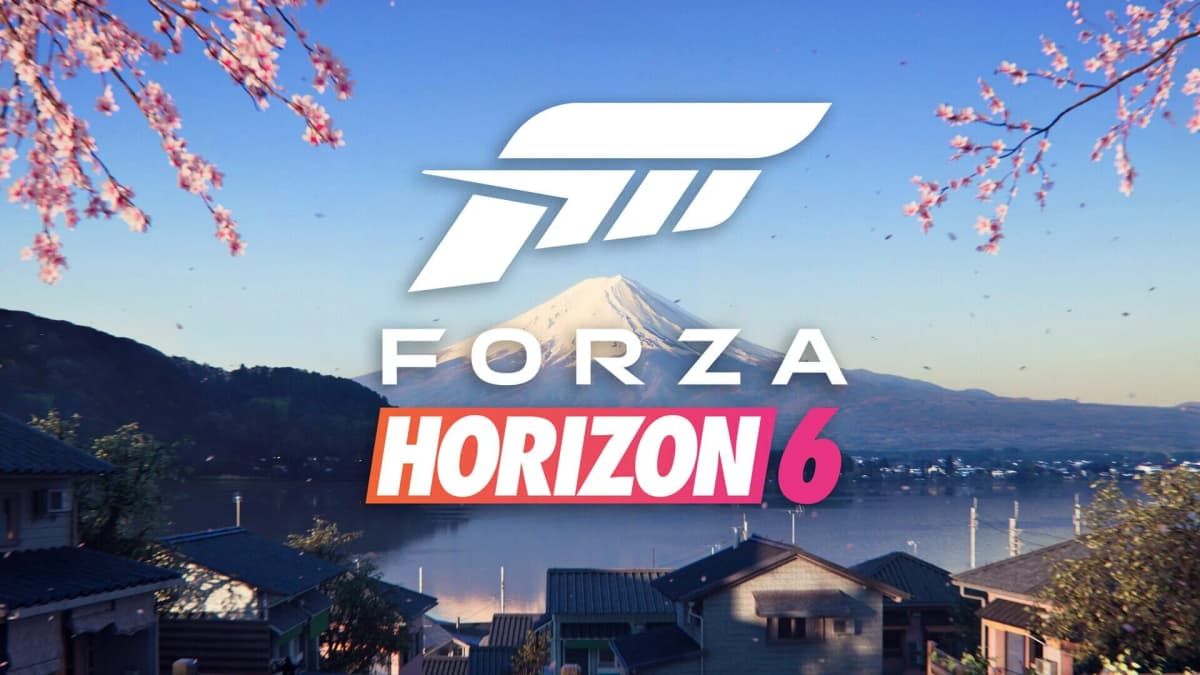
Xbox wrapped a sleepy Tokyo Game Show with the most predictable mic drop of the night: Forza Horizon 6 is real, it’s set in Japan, and it’s coming early 2026 on PC and Xbox Series with Game Pass-then PS5 later. The reveal trailer didn’t show a single car, just a tour of license plates from past entries before flashing “Japan.” Normally I’d roll my eyes at a teaser-that-teases, but Japan and Horizon is one of those peanut butter and jelly pairings the community has been begging for since the Colorado days. The question isn’t “Is this exciting?” It’s “Can Playground deliver the Japan players actually imagine when they think touge runs, Shuto expressways, and neon-soaked nights?”
Key Takeaways
- Confirmed: Japan setting with Tokyo and rural/mountain regions; stronger seasonal systems and richer ambience.
- No gameplay yet-just a teaser. Expect a long drip feed to 2026.
- Platforms: PC and Xbox Series (day one Game Pass) with PS5 arriving later.
- The big swing: capturing Japanese car culture without reducing it to postcard clichés.
Breaking Down the Announcement
Playground’s Art Director Don Arceta outlined the pitch, and the intent sounds right. “Japan has long been a priority for Horizon fans, and we’re thrilled to finally bring this much‑requested location to Forza Horizon 6 players. Japan has a unique culture-from cars to music to fashion—that makes it an ideal place for the next Horizon world.” He adds that the goal is “authentic representation and open‑world gameplay… the perfect time to fully realize that goal for players.”
He also frames Tokyo as one of the studio’s most ambitious environments yet: “From the neon and skyscrapers of Tokyo—one of our most detailed and complex environments to date—to the serenity and natural beauty of Japan’s rural and mountainous areas, we’re confident players will be blown away by the open world we’ve built. And while we’re not necessarily aiming to recreate Japan one‑to‑one, our goal has always been to capture the country’s unique cultural essence and deliver it in the most ‘Horizon’ way possible.”
On systems, the team promises a deeper seasonal layer: “Seasonal changes genuinely influence the world—how spring, summer, autumn and winter subtly shift the tone, activity and sound… ambient sounds, like station chimes or summer wind chimes, that place you instantly without a caption.” If you remember FH4’s seasons changing the UK’s road personality—and FH5’s more varied Mexico storms—this reads like a proper evolution rather than just a palette swap.
Why Japan Fits Horizon—And What Could Go Wrong
Horizon’s best when it leans into a region’s signature driving fantasy. Australia gave FH3 its wild off-road, FH4 turned B-roads into drift heaven, FH5 nailed volcano switchbacks and Baja sand. Japan’s fantasy is practically built in: midnight expressway blasts, tight mountain passes, dense alleys, konbini-lit corners, car meets under overpasses, and that uniquely disciplined but expressive tuning scene. JDM legends—AE86, RX‑7, Skyline GT‑R, Supra, Silvia—are already staples in Horizon garages.
The tightrope is tone. Horizon’s eternal day-party festival vibe can clash with the quieter street culture rhythms that make Japan special. Arceta is right to say they’re capturing the “essence” rather than doing a one‑to‑one recreation—no racing sim needs to be Google Maps—but “essence” is easy to misuse. If Tokyo becomes a wide, empty playground with EDM and fireworks and a couple of ramen props, the community will bounce. This setting needs density: multi‑level expressways, narrow backstreets, proper elevation for touge, and traffic flow that makes night driving feel alive.
Licensing can bite too. FH5 did great work bringing back Toyota and Mitsubishi, but the more iconic the scene, the more obvious the gaps if a key marque or aero brand is missing. If Playground is talking up culture, they’ll need EventLab tools that let creators build convincing car meets and touge routes—think safety mirrors on hairpins, convenience store lots, and signage that feels right without breaking real-world trademarks.
The Tech And Systems That Need To Level Up
Two big asks. First, lighting. Japan lives at night in our collective car brain, and FH5’s night looked good but not neon-wet-street, puddle-reflection great. If Tokyo is “one of the most complex” environments Playground has built, the studio needs rock-solid 60 fps performance modes and smarter reflections—console ray-tracing compromises included—so night driving sings without turning into a slideshow.
Second, physics nuance. Horizon isn’t a sim, but it’s where a lot of us practice drift lines and grip builds with a wheel. Touge roads expose weight transfer and elevation changes; if seasonal moisture, fallen leaves, or winter pack actually change grip, this could be the most expressive Horizon handling yet. Couple that with better force feedback, more granular tire models, and drift-centric events that aren’t just donut zones, and Japan becomes more than a wallpaper.
Ambient audio is a sneaky win if they nail it. Station chimes, cicadas, vending machines, crosswalk beeps—these can do more for immersion than another fireworks show. Give us spatial sound that makes late-night Shibuya feel different from dawn in the mountains.
Live Service Reality Check
Playground’s Festival Playlist has been both glue and grind. FH5’s FOMO-driven weekly cars, server wobble, and convoy bugs drained momentum early. If FH6 launches with Tokyo cruises and touge clubs, it also needs: stable convoys, smarter anti-cheat, and a cleaner playlist that respects time. EventLab should ship with Japanese props day one, and multiplayer should celebrate meetups as much as sprints—cruise lobbies, photo challenges, and drift comps with real bracket tools.
Release Window And Xbox’s New Playbook
Early 2026 is the target on PC and Xbox Series with Game Pass; PS5 will follow later. It’s another signal that Xbox is chasing player count over platform walls for its tentpoles. That’s good for the Horizon community—bigger lobbies, more creators—provided cross-play, cross-save, and content parity are handled cleanly. On PC, FH5’s launch was uneven across hardware; FH6 needs a no-drama settings menu, upscaler options that actually work, and fewer CPU bottlenecks in dense cities.
TL;DR
Forza Horizon 6 in Japan is the right call with the right promises: deeper seasons, richer ambience, Tokyo density, mountain touge. But a teaser without cars means we’re judging intent, not execution. If Playground marries night-time lighting, nuanced handling, and respectful cultural vibes with a less grindy live-service loop, this could be Horizon’s best map yet. If not, it’ll be a gorgeous postcard with empty streets. Here’s hoping for the former.