
Table of Contents (8)
Forza Horizon 6 makes Japan the franchise’s most ambitious playground – and Tokyo is the risky, impressive centerpiece
Playground Games has done something obvious and bold at once: instead of patching new routes onto the old Festival map, it put the Festival Horizon in Japan and built the largest, densest Forza Horizon world to date. That matters because this is not just a bigger map – it’s a development shift. Tokyo is being treated like its own bioma, with a dedicated team, while the rest of the country stitches together mountain passes, coastal roads and iconic sights like Mount Fuji into one contiguous playground.
- Key takeaways:
- Tokyo in FH6 is reportedly five times the size of Guanajuato (Forza Horizon 5’s biggest city equivalent) and will be treated as a discrete urban bioma with four districts – IGN Brasil.
- Playground promises a map larger than any previous entry, over 550 cars (97 confirmed so far), new modes like “Discover Japan” and the endgame “Legend Island”, and robust accessibility options — official previews summarized by IGN and JeuxVideo.
- Release strategy: Xbox Series X|S and PC (with Steam Deck and ROG Ally compatibility) lead on May 19, 2026 (Premium early access May 15 per coverage), with PlayStation 5 following later in 2026.
Why the setting matters more than “bigger map”
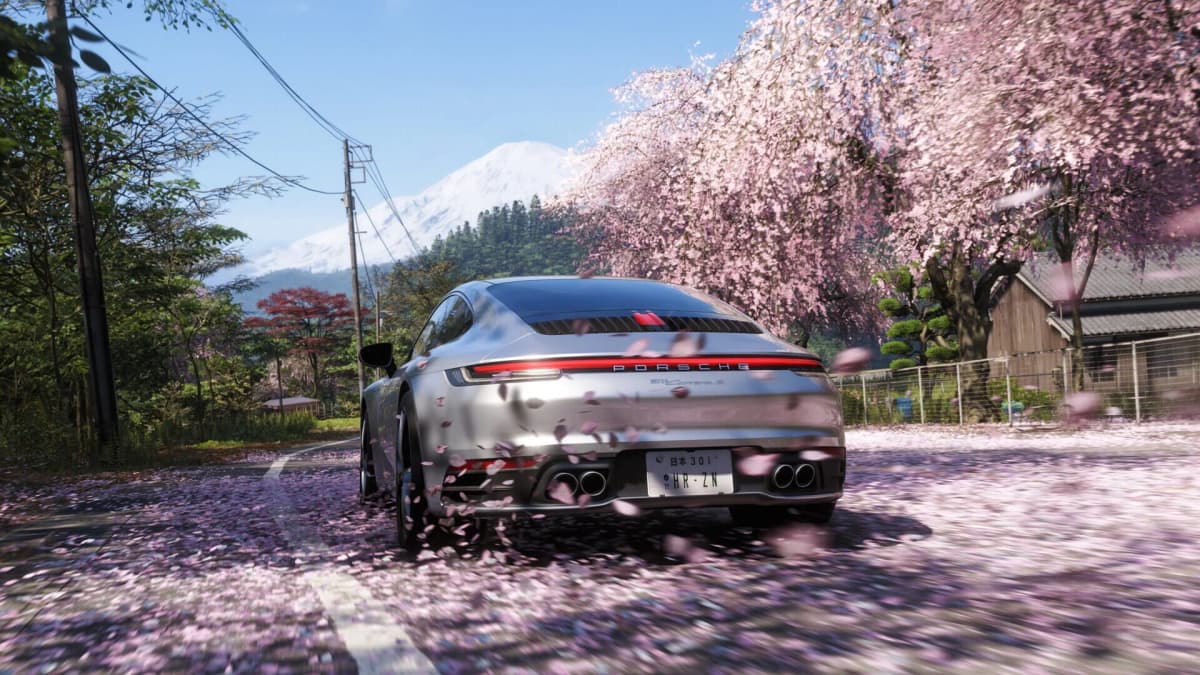
Forza Horizon has long been about readable, rewarding spaces: a highway that flows into a canyon, a town that funnels you into a showcase drift. Japan changes the equation. Playground isn’t just increasing square kilometers — it’s layering opposing driving cultures: claustrophobic Tokyo street racing and the vast, zen-like sweep around Mount Fuji and the Tateyama alpine route. IGN Brasil’s hands-on material and the studio comments make it clear this isn’t a pastiche; the team used field recordings and ForzaTech upgrades to recreate seasonality and local details.
That design decision forces trade-offs. Dense, simulated urbanity requires different traffic, AI and streaming systems than open highways. Playground responded by dedicating an internal Tokyo team — a tacit admission that previous, one-team maps wouldn’t scale. That’s a tech and workflow milestone for the studio, not just a marketing line.
New systems: exploration over progression (mostly)
Beyond size, FH6 leans into exploration. The new “Discover Japan” mode is a stamped passport-style collection system that rewards poking into every corner — side missions, local events, Touge battles and night street races. The Festival loop remains (collect seven wristbands, reach Legend Island), but Playground is clearly trying to satisfy both the “I want to race” and “I want to explore” crowds.

Multiplayer tools also evolve: CoLab replaces and expands EventLab, letting creators share complex events and custom rulesets. That’s sensible — user-generated content keeps these worlds alive — but it also raises the familiar question: how well will these systems hold up once servers and player numbers scale?
Multiplayer tools also evolve: CoLab replaces and expands EventLab, letting creators share complex events and custom rulesets. That’s sensible — user-generated content keeps these worlds alive — but it also raises the familiar question: how well will these systems hold up once servers and player numbers scale?
🎮 Get This Game at the Best Price
Compare prices instantly and save up to 80% on Steam keys with Kinguin — trusted by 15+ million gamers worldwide.
*Affiliate link — supports our independent coverage at no extra cost to you
The spec sheet people will quote — and what to actually care about
Yes, 550+ cars is an eye-popper and the confirmed 97-vehicle list gives a taste of the roster (heavy on JDM classics and modern hypercars). But roster size is a headline, not a guarantee: what matters is depth — audio fidelity, handling differentiation, and how much of the catalogue is meaningfully tuned for the new terrain. IGN’s previews promise better engine sounds and more realistic animations, which matters to the obsessive collectors.
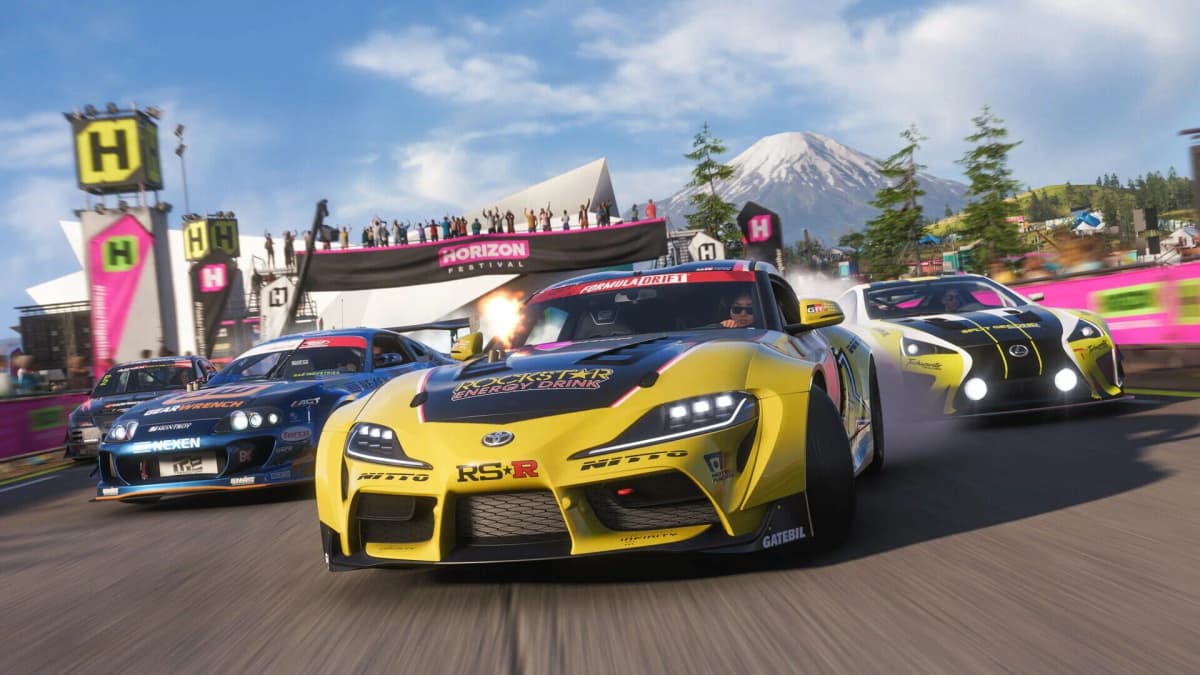
Accessibility looks legitimately improved: high-contrast modes, proximity radar, sign-language options and AutoDrive are listed up front. Those are not afterthoughts — they change who can enjoy these massive maps.
The uncomfortable observation
Playground’s PR asks you to focus on Tokyo’s scale and the 550+ cars. The uncomfortable fact is that scale and content are different problems. A city five times Guanajuato’s size sounds impressive, but bigger doesn’t always equal better gameplay density. The studio says there won’t be “big empty spaces,” and that’s the line we should hold them to — because technical ambition without purposeful design is just a shiny void.
What to watch
- May 15 & May 19, 2026: Premium early access (May 15) and Xbox/PC launch (May 19). Those first reviews will show whether Tokyo’s density survives on consoles and handheld-compatible PCs.
- Performance on Steam Deck and ROG Ally: claimed compatibility needs real-world testing for frame-rate, streaming and thermal limits.
- Multiplayer stability and CoLab tools at scale — these determine how long player-made content keeps the world alive.
- Actual car depth: audio, handling, and whether 550+ cars are meaningfully differentiated.
- Timing and quality of the PS5 release later in 2026 — a delayed console launch is a rare cross-platform window for a major Xbox studio.
Credit where it’s due: Playground is scaling up in a way we’ve seen studios attempt and sometimes fail at — splitting teams, dedicating resources to a single city, and baking accessibility into the design all point to maturity. The risk is execution. If Tokyo feels lived-in and the countryside rewards exploration without filler, FH6 will be a high-water mark. If the city is big but empty, the headline numbers will feel hollow.
TL;DR
Forza Horizon 6 moves the Festival to Japan and builds the biggest, most technically ambitious Horizon world yet, centered on a Tokyo treated as its own bioma. Playground promises 550+ cars, new exploration systems and wide accessibility, with Xbox/PC launch in May 2026 and PS5 later in the year. The win depends on execution: Tokyo’s promised density and handheld/PC performance are the two things that will prove whether FH6 is genuinely the franchise’s next milestone.
FinalBoss // Gear
Level up your setup
01Racing wheels (PC & PS5)on Amazon→02High-refresh gaming monitorson Amazon→03Gaming chairson Amazon→04Discounted game keyson Kinguin→
Affiliate links · As an Amazon Associate, FinalBoss earns from qualifying purchases.
Want to Level Up Your Gaming?
Get access to exclusive strategies, hidden tips, and pro-level insights that we don't share publicly.
Ultimate Gaming Strategy Guide + Weekly Pro Tips