
Forza Horizon 6’s final pre-launch push makes one thing painfully clear: the big selling point is not “finally, Japan.” That was the easy headline years ago. The real story is that Playground Games seems to have stopped chasing sheer sprawl and started chasing road density, elevation, and route variety instead. If that holds up under player hands, this could be the smartest change the series has made since Horizon figured out that open-world racing is only fun when the map gives you reasons to keep turning the wheel.
The broad facts are straightforward. Forza Horizon 6 launches May 19 on Xbox Series X|S and PC, lands day one on Game Pass, and Premium buyers get early access starting May 15, according to Vandal. Reviews are already strong: Areajugones notes a 91 on Xbox and 89 on PC on Metacritic at the time of reporting, which puts it right in line with Playground’s usual absurdly high batting average. IGN, meanwhile, is doing the expected victory lap, praising the game as another Horizon knockout and highlighting the Japan setting, refined progression, and visual polish.
That all matters. None of it is the interesting part.
Table of Contents (6)
This map is trying to fix a Horizon problem the series rarely admits it has
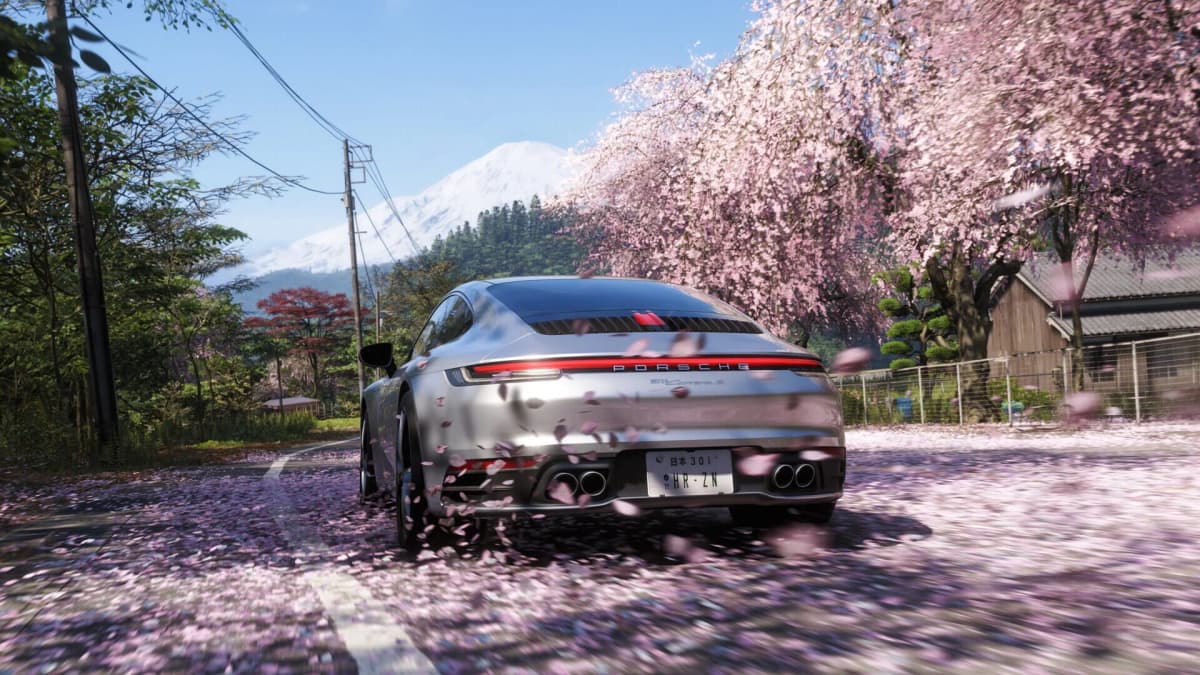
Playground officially revealed the full Japan map back on April 8 and called it its “most dense and vertical map yet.” PR line, sure. But the launch trailer and subsequent coverage actually give that claim some teeth. Tokyo isn’t just a backdrop with a few flashy straights dumped around it. The map runs from dense urban streets to snowy alpine routes, with specific real-world-inspired roads and landmarks like the C1 loop, Ginkgo Avenue, Mt. Haruna, and Bandai Azuma passes. That matters because Horizon has sometimes mistaken visual variety for driving variety.
Forza Horizon 5 was enormous and technically gorgeous, but a lot of its road network was built around speed, visibility, and easy spectacle. Great for a trailer. Less great when you realize too many routes blur together after a few dozen hours. The early read on Horizon 6 is that Playground knows this. The Japan map looks tighter, taller, and more layered. Elevated roads, stacked city routes, mountain switchbacks, narrower streets, and hidden side roads all point to something more deliberate than “here’s another giant open world with a volcano over there.”
That design shift is the actual headline. Not the cherry blossoms. Not Tokyo Tower. Not the inevitable parade of social clips where someone drifts through Shibuya Crossing in a ridiculous S-class tune.

The trailer is selling contrast, but the road layout is what should have racers paying attention
The launch trailer leans hard on biome contrast because of course it does. Urban Tokyo. Green rural stretches. Snowfields with ice walls. Tight touge roads cutting through the mountains. It’s a greatest-hits reel of “yes, this is why everyone wanted Japan.” Fair enough. But what stands out in the breakdowns is less the scenery and more the route logic underneath it.
Multiple reports point to the map being more vertically structured than previous Horizon entries, and that changes the feel of an open-world racer more than raw square mileage ever will. A fully enclosed map with more elevation and layered road systems means less dead-edge geography and fewer long, empty transitions between the good bits. Trailer analysis also highlighted numerous twisty side roads that apparently aren’t loudly marked as checklist content. That’s a small but meaningful idea: discovery through road design instead of just dumping more icons onto the map until it looks like a phone game UI exploded.
If that sounds familiar, it should. Playground already flirted with more elaborate vertical track design in Horizon 5’s Hot Wheels expansion. The uncomfortable observation here is that a DLC may have quietly previewed the tech and design philosophy that the base series needed all along. Horizon has always been brilliant at making cars feel good. Its weaker spot has been making every region of the world feel equally worth revisiting. Japan’s density may finally give the driving sandbox the kind of route memorability that street racers and drifters have wanted from this series for years.
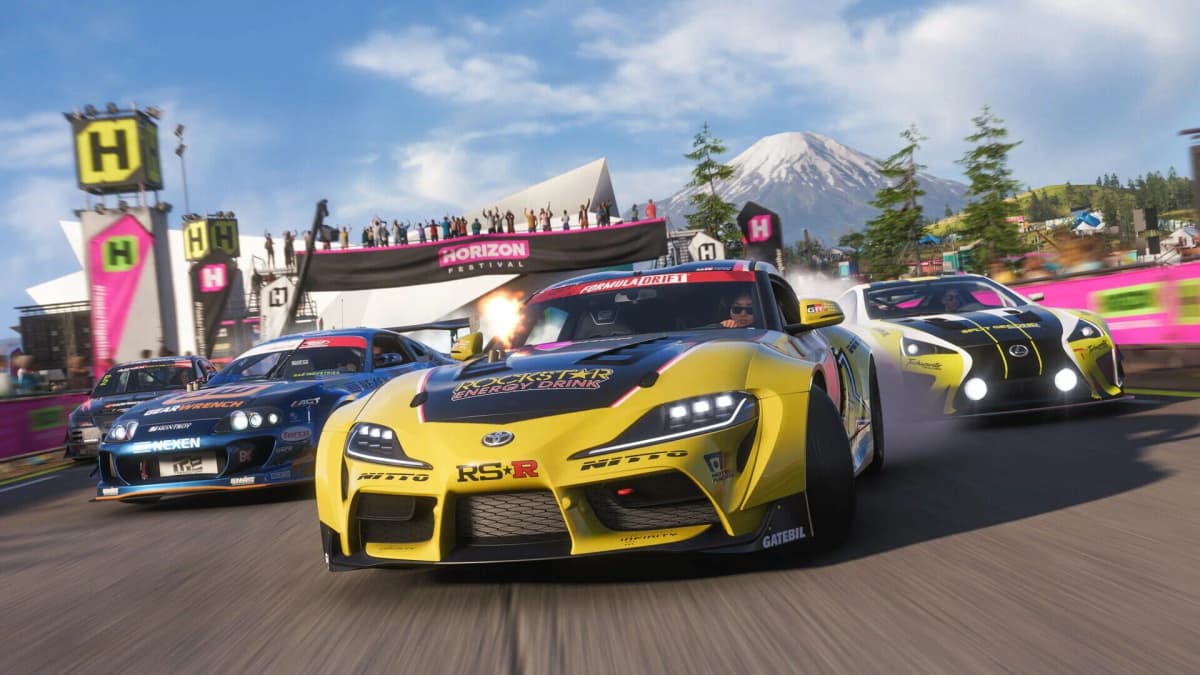
Yes, the reviews are glowing. The bigger question is whether this is evolution or just elite polish
IGN’s coverage is predictably enthusiastic, calling out the split between festival progression and unsanctioned street activity, along with deeper car-culture flavor and a huge time sink for players already dozens of hours in. That all sounds great. It also sounds like Playground doing what Playground always does: take a formula that already works, sand off friction, add content, and ship another game that reviewers adore on contact.
That’s not a criticism so much as the studio’s superpower. Horizon has become one of the safest bets in AAA because it almost never misses on fundamentals. But there’s a fair question hiding under the praise: is Horizon 6 genuinely changing the structure of how the series is played, or is it just the cleanest, most expensive version of the same comfort food?
The map is where that answer lives. If the dense Tokyo streets, mountain passes, and hidden connectors actually create more meaningful moment-to-moment decision-making, then Horizon 6 is more than another immaculate iteration. If those spaces mostly end up being pretty corridors between events, then this is still excellent – just not transformative.
The other practical detail worth noting: IGN’s graphics comparison suggests the game performs well across the board, with Xbox Series X offering native 4K at 30fps in quality mode and a locked 60fps target with dynamic resolution in performance mode, while high-end PC pushes even higher visual fidelity. In a game this dependent on speed readability and environmental density, that matters. A vertical city map full of layered roads becomes a lot less appealing if performance buckles. Early signs suggest Playground avoided that problem.
The question the launch trailer doesn’t answer
Here’s the thing I’d ask the PR team immediately: how much of this map is fun after the first ten hours, once the novelty of “it’s Japan” wears off? Because the genre is full of gorgeous maps that players mentally abandon after launch week, sticking to the same efficient routes while the rest of the world becomes decorative filler.
Vandal’s edition breakdown also reminds you this launch is still wrapped in the usual modern premium-access packaging: standard edition at the normal buy-in, Deluxe with extra cars, Premium at the top end with early access and expansions. None of that is shocking in 2026. But it does mean the most engaged players will start stress-testing the map immediately, several days before everyone else. That’s useful. By the time the full launch hits on May 19, we should know whether the word-of-mouth is about genuinely great roads or just beautiful screenshots.
What to watch over the next week
- Whether early-access players keep posting the same Tokyo clips, or start surfacing mountain routes, hidden connectors, and overlooked districts. Repetition means shallow novelty. Variety means the map is doing real work.
- How the community talks about cruising versus racing. If free driving becomes as compelling as event grinding, Playground nailed the road network.
- Whether the “dense and vertical” promise holds on console performance mode in crowded urban areas, not just in curated capture footage.
- How quickly players identify a handful of dominant routes. Every open-world racer has them. The best ones make the whole map feel viable anyway.
Right now, the most convincing case for Forza Horizon 6 is not that it finally went to Japan. It’s that Playground may have used Japan to force itself into building a better kind of Horizon map – less empty postcard, more actual place. If that read is right, this is not just another very good Forza Horizon. It’s the version that finally understands what its roads need to do.
FinalBoss // Gear
Level up your setup
01Racing wheels (PC & PS5)on Amazon→02High-refresh gaming monitorson Amazon→03Gaming chairson Amazon→04Discounted game keyson Kinguin→
Affiliate links · As an Amazon Associate, FinalBoss earns from qualifying purchases.
Want to Level Up Your Gaming?
Get access to exclusive strategies, hidden tips, and pro-level insights that we don't share publicly.
Ultimate Gaming Strategy Guide + Weekly Pro Tips