

Fractured Core Plants Its Cyberpunk JRPG Flag in Germany — Here’s What Actually Stands Out
Game intel
Fractured Core
Lead a team of mercenaries in a cyberpunk world where elemental powers and corporate conspiracies collide. Take on high-risk missions, engage in strategic turn…
Why Fractured Core caught my eye
Cyberpunk JRPGs usually default to neon Tokyo or dystopian American megacities. Fractured Core swerves to Germany (and later Italy), and that alone made me pause. Engram Interactive’s new turn-based JRPG-out now on Steam-puts you in the boots of Michael Jones, a special forces prodigy climbing the corporate ladder inside Athena PMC. It promises classic turn-based battles, heavy buildcraft, and a slice-of-life look at “elegant walkable cities” under the boot of corporate rule. I’ve seen a lot of indie cyberpunk pitches; this one stands out because it’s mixing Shadowrun-style squad tactics with social ties and a rarely used European backdrop.
Key Takeaways
- Small-squad, classic turn-based combat with deep gear and “chip” mods, plus psionic elements (Fire/Water/Earth/Wind/Light/Dark).
- Enemies use the same character system as your squad-good sign for fair, learnable encounters.
- Underused European cyberpunk setting (Germany, later Italy) offers fresh vibes beyond the usual Tokyo/Night City stand-ins.
- Relationship-building alongside corporate wetwork suggests social systems that might impact combat—details still unclear.
Breaking down the announcement
Fractured Core builds around three-operator teams tackling missions that range from high-value target grabs to containment cleanups and cover-ups—pure corp noir. If you’ve played Shadowrun Returns, you’ll recognize the cadence: prep, execute, adapt. The devs lean on a “refined classic JRPG” battle system with a robust catalog of weapons, armor, accessories, and add-on chips for stat tuning. On top, psionics split into six elements let you burn, freeze, or batter foes. That’s familiar Final Fantasy/SMT territory, but the hook is parity: “every enemy is defined by the same character system” as your operatives. If that’s true, expect fewer cheap boss immunities and more readable counters—my preferred flavor of difficulty.
The small squad size matters. XCOM-style tactics thrive on tradeoffs, and with only three operators, every slot has to synergize. Are you going full control with Freeze and Stun chains, or pairing a glass-cannon psionic with a tank who soaks aggro while a support stacks debuffs? If the chip system is flexible, we could see fun edge cases—crit-stacking pistols, slow but unkillable melee bruisers, or elemental builds that turn environmental hazards into win conditions. The press release hints at “easy to learn, complex to master,” which is where turn-based JRPGs live or die.
The German cyberpunk angle actually matters
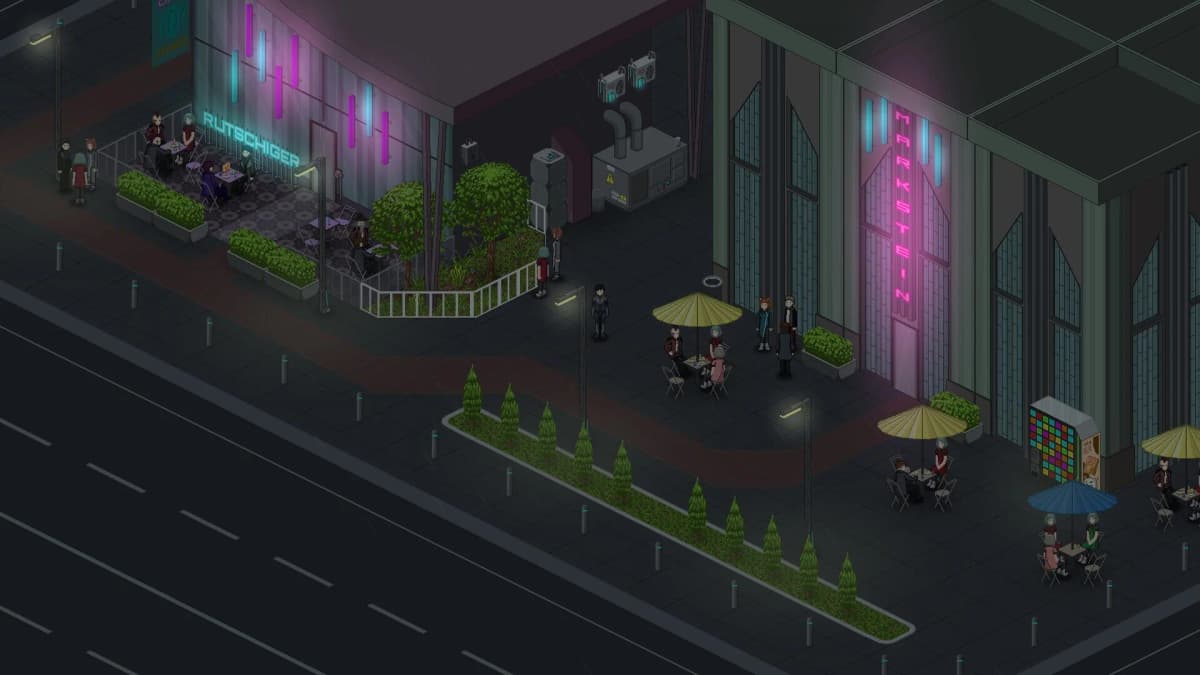
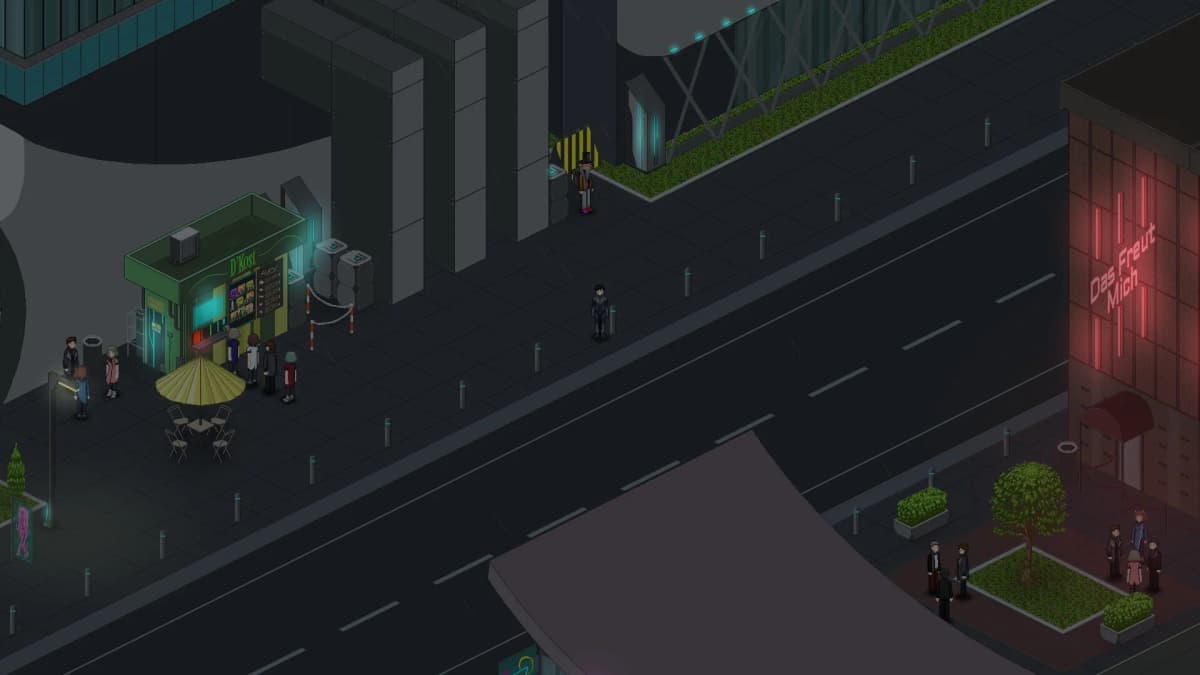
Lead designer Timoteus Ivan Suprapto says Japan and the US felt “overused” for cyberpunk—so they went with Germany. It’s a smart pick. Recent genre standouts have skewed elsewhere (Prague in Deus Ex: Mankind Divided, Night City for Cyberpunk 2077), but Germany brings its own texture: high-speed infrastructure, strict urban planning, a real-world history of surveillance and reunification. The promise of “walkable, elegant cities” selling sustainability while hiding corporate brutality is ripe for environmental storytelling—think chic plazas masking biometric checkpoints and backroom biotech. If Engram captures that contradiction, it’ll give Fractured Core an identity beyond familiar neon and rain.
The social layer could help. You’ll grow relationships with Athena operatives and staff, including a cat-eared receptionist (very anime, could be charming or tonally jarring depending on execution) and your superior, Vega. The copy stops short of confirming Persona-style social links or combat perks tied to bonds. If relationships feed into passive bonuses, combo skills, or mission intel, they’ll elevate the loop; if they’re just flavor text between missions, that’s a missed opportunity.
Hype vs. substance: the gamer’s perspective
What’s promising: parity-driven enemy design, buildcraft depth, and a setting that isn’t a reheated Tokyo night market. What I’m cautious about: six-element psionics are a known template, and “robust” customization often reads as +2% stat soup unless encounters force you to switch things up. If enemies truly play by your rules, elemental resist/weakness curves need to vary mission to mission; otherwise you’ll find one busted build and sleepwalk through the campaign.
Mission variety also needs to land. The press release name-drops abductions, cleanups, and corporate cover-ups, which sounds great on paper. But does “cover up a biomed disaster” mean stealth, timed evac, crowd control, or just “kill all targets” with different skins? Shadowrun Returns got away with limited verbs thanks to strong writing and encounter design. Fractured Core’s six-year dev cycle by a compact team suggests scope discipline; I’m hoping that means tight, replayable scenarios over sprawling, padded ones.
Presentation-wise, Engram claims “crisp handmade animations.” If the hit reactions, status effects, and UI telegraphing are clear, that alone can carry a turn-based game. Nothing kills tactics faster than muddy feedback. The studio’s Indonesian roots are interesting too—Southeast Asia’s indie scene has been quietly punching above its weight (Toge Productions with A Space for the Unbound and Coffee Talk, for instance). If Fractured Core joins that club, we win.
What we still don’t know
Key details aren’t in the announcement: price, runtime, difficulty options, and whether there’s any form of permadeath or injury system to make choices bite. The team size cap (“up to three operatives”) could feel cramped if encounter designs expect Swiss Army squads. And the tone balance—serious corporate espionage alongside anime-adjacent aesthetics—needs a deft touch to avoid whiplash.
TL;DR
Fractured Core looks like a thoughtful, small-squad cyberpunk JRPG that leans on fair, learnable encounters and buildcraft, set somewhere we rarely see in the genre. If the missions force varied tactics and the social layer ties into combat, this could scratch the Shadowrun itch with a fresh European flavor. I’m cautiously optimistic—and ready to respec if the chips fall the right way.