
I’ll be real: every time a solid action-roguelite demo drops on Switch, my gamer instincts scream “download now!” Lost in Random: The Eternal Die, the latest from Thunderful and Stormteller Games, just rolled out its free demo—and yes, it’s available on Switch alongside Steam, Xbox Series X|S, and PS5. But beyond the hype and the spooky, storybook setting, what exactly does this dice-driven adventure offer seasoned roguelite fans? And does it have enough twisty charm to stand out in a crowded genre?
Table of Contents (7)
Gameplay Fundamentals
Fact: In the demo, you control Queen Aleksandra and her sentient die, Fortune, navigating bite-sized runs through randomized arenas. At its core, combat blends real-time swordplay with turn-based deck-building. You link card plays—attacks, blocks, and die-powered abilities—to your stamina bar, timing strikes and parries while Fortune sits on the field, ready to roll.
Opinion: This mix of action and card management feels like someone grafted Hades’s fluid combat onto Slay the Spire’s build-crafting. Early runs demonstrate promise: you swing, dash, and cast elemental effects by expending cards, then trigger Fortune’s roll to unlock area-of-effect spells or buffs. It keeps your mind juggling furious button-mashing with strategic hand-management, which could either become an addictive multitasking puzzle or too much on-the-fly micromanagement.
Progression and Variety
Fact: Even in its demo state, the game lets you collect relics—permanent upgrades that modify your next run. You’ll find things like increased card draw, bonus resources on enemy kills, or a chance to re-roll low Fortune results. The demo caps progression to a handful of relics and a small selection of deck cards.
Opinion: I’m intrigued by how relic combos could radically alter playstyles. A dagger-focused deck suddenly becomes explosive if you snag a relic that refunds stamina on critical hits. These emergent synergies hint at the variety you need in a roguelite, though the demo’s scope means you only taste a fraction of potential builds. For now, runs can feel familiar after three or four attempts—more relic types and card interactions in the full release will be critical to keep the excitement alive.
Visuals and Audio
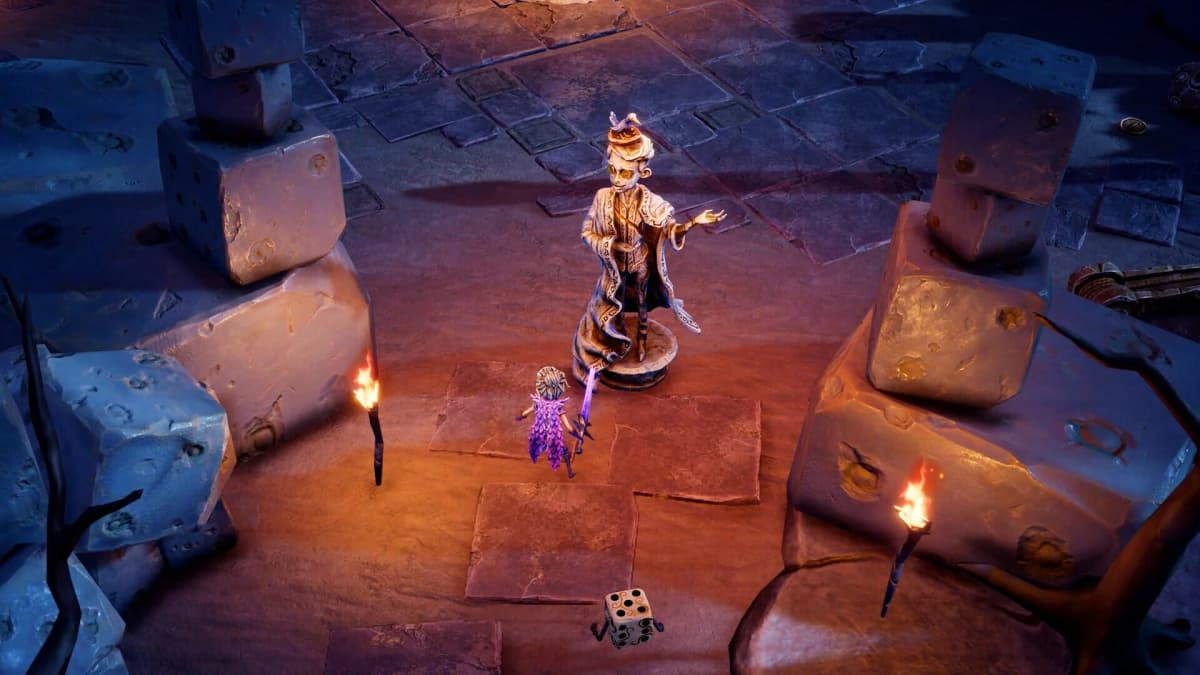
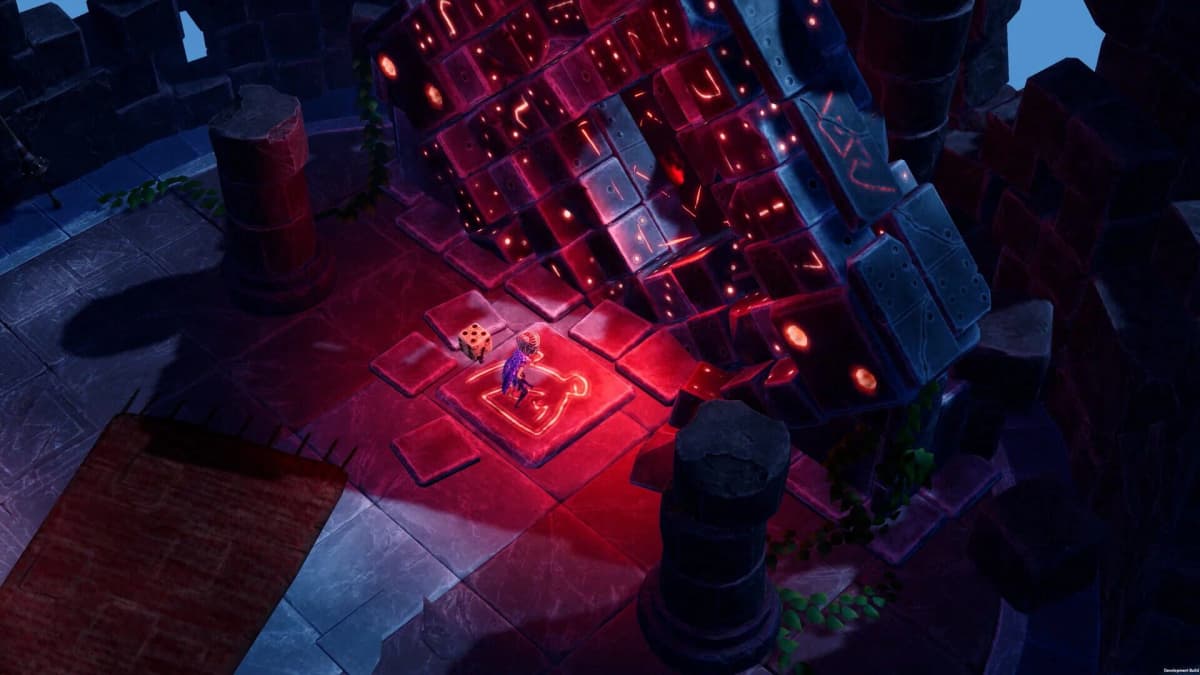
Fact: Visually, the world channels a Tim Burton-inspired, gothic storybook aesthetic—twisted architecture, stark contrasts, and moody color palettes. Character models, from Queen Aleksandra’s angular silhouette to the grinning skeleton knights, maintain a consistent stylized edge. The soundtrack weaves in harpsichord strains and plucked strings, reinforcing that eerie fairy-tale vibe.
Opinion: It’s charming without feeling gimmicky, and the art direction helps the demo run feel cohesive. Enemies pop against the dark backdrops, and hit effects are distinct enough to track in hectic fights. Should the full game maintain this polish—especially on Switch’s handheld screen—it could be one of the more visually striking roguelites to play on the go.
Performance and Controls
Fact: The demo runs at 30 FPS in handheld mode and targets 60 FPS docked (exact frame-rate stability varies by scene). Controls map movement to the left stick, attacks and dodges to face buttons, and deck interactions to shoulder buttons—letting you cycle cards and trigger Fortune’s roll without menu dives.
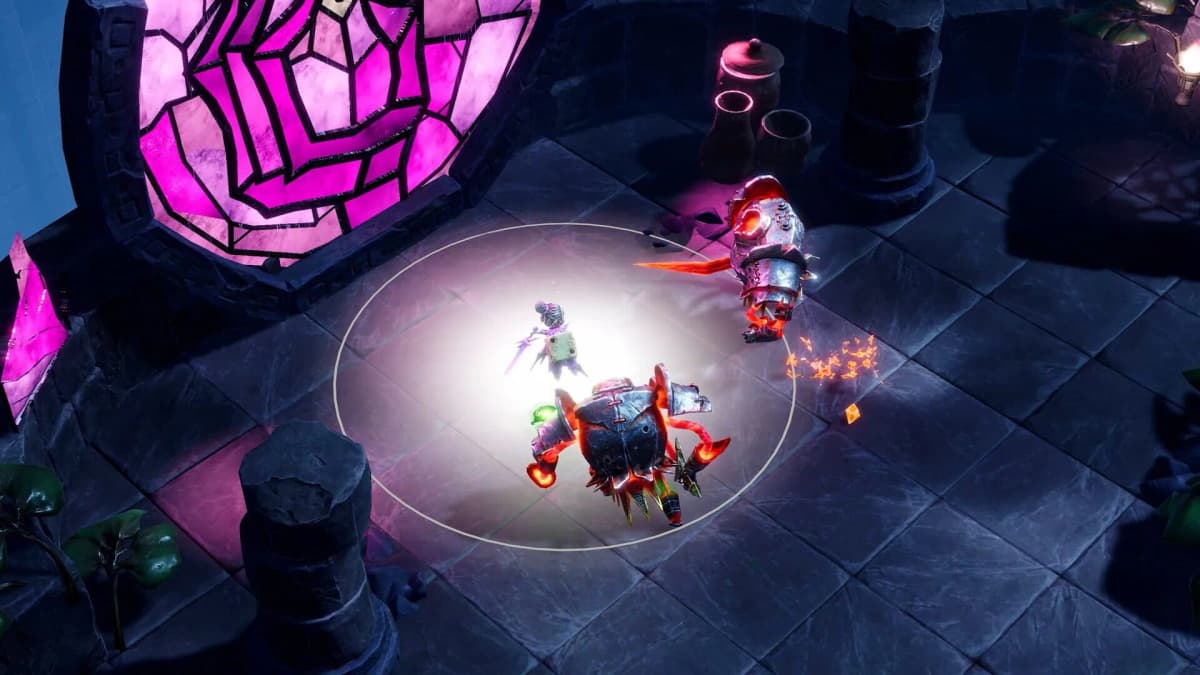
Opinion: My Switch handheld sessions stayed smooth enough, though I noticed occasional frame dips when multiple spell effects and particle bursts lit up the screen. If the final build can iron out these hitches, the action-deck interface could shine as a tactile, on-the-move experience. That said, button-heavy moments demand precise input timing—if you’re prone to pocket presses, you might find some runs trickier than anticipated.
Comparisons and Context
Fact: Demo players can compare Eternal Die to standouts like Slay the Spire (card-based progression) or Hades (fast-paced combat loops) because it shares elements with both. It also joins recent roguelites pushing live-service-style content updates and meta-progression systems.
Opinion: Where Eternal Die might carve its niche is the literal randomness of Fortune’s die roll. That single mechanic can catastrophically shift a run—either blessing you with area-wiping damage or locking you out of your best moves. If the risk-reward balance feels fair (say, by including re-roll tokens or mitigation relics), this could become a signature hook. But if RNG swings too wildly, you risk frustrating players who crave consistent skill-based loops.
Final Thoughts
Here’s the bottom line: Lost in Random: The Eternal Die’s free demo gives you a robust taste of its dice-laden combat, deck tweaks, and haunting art style—no purchase required. As facts go, you’ll encounter a limited assortment of cards, relics, and enemy types, but enough to gauge the core systems. From an opinion standpoint, I love the gamble of Fortune’s roll and the pacing of quick, high-stakes skirmishes. The real test will be endgame variety and how well the Switch port holds up under sustained play.
If you’re fatigued by roguelites that feel interchangeable or locked behind hefty price tags, this demo is a low-risk opportunity. Spend a handful of runs testing build synergies, see if the art style clicks, and judge performance yourself. Worst case, you uninstall and move on. Best case, you discover your next “just one more roll” obsession for the commute—or a perfect couch-avoidance lie in.
TL;DR
Try the free demo on Switch to experience dice-driven, deck-tweaking roguelite action in a gothic storybook world. It nails atmosphere and offers tactical depth, though full release must expand relic variety and polish performance for long-term plays. Low risk—give your next run a roll of Fortune.
FinalBoss // Gear
Level up your setup
01Best-selling Switch 2 gameson Amazon→02Switch 2 accessorieson Amazon→038BitDo controllerson Amazon→04Discounted game keyson Kinguin→Affiliate links · As an Amazon Associate, FinalBoss earns from qualifying purchases.
Want to Level Up Your Gaming?
Get access to exclusive strategies, hidden tips, and pro-level insights that we don't share publicly.
Ultimate Gaming Strategy Guide + Weekly Pro Tips