
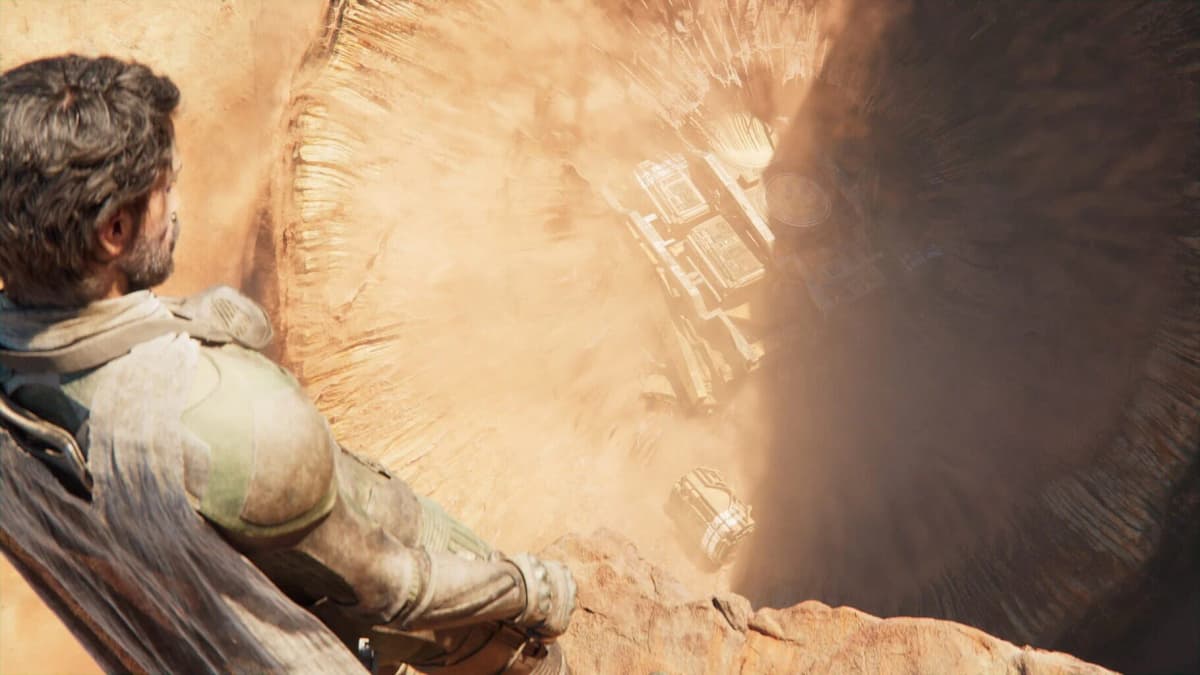
From Record Launch to Restructure: What Funcom’s Dune: Awakening Pivot Means for Players
Game intel
Dune: Awakening
Dune: Awakening is an Open World Survival RPG where you can fully immerse yourself in the epic world of Dune. Alone or with friends, explore a vast open world…
The biggest launch in studio history-followed by layoffs. Here’s what actually matters.
This caught my attention because I’ve watched Funcom ride this rollercoaster before. After touting Dune: Awakening’s record-breaking PC debut, the studio now says it’s “restructuring” and “mutualizing resources,” with layoffs and a 2026 console launch window for PS5 and Xbox Series X/S. That’s corporate speak for: the initial spike didn’t turn into steady retention, a recent expansion missed the mark, and the team is pivoting to stretch the runway. If you played Conan Exiles around the Isle of Siptah era, this playbook will feel familiar.
Key Takeaways
- Funcom confirms layoffs and a studio-wide refocus after Dune: Awakening’s strong start cooled off.
- A poorly received expansion signals misaligned priorities-likely grindy systems and balance hits over meaningful new play.
- Console versions slip to 2026, which suggests significant engineering and content stabilization ahead.
- For players, cadence and clarity matter now: expect slower updates in the short term; judge the plan, not the PR.
Breaking down the announcement
Funcom’s message boils down to this: record launch, sharp activity drop, expansion backlash, restructure, console push in 2026. The missing detail-how many jobs—matters more than the buzzwords. Layoffs usually mean fewer hands on live ops, slower bug fixes, and a narrower roadmap. When a studio talks about “mutualizing resources,” they’re consolidating teams around core pillars: engine work, server stability, and a trimmed set of features that hit KPIs (daily active users, session length, monetization per player) without promising too much.
The 2026 window for consoles isn’t surprising, but it’s telling. A living survival MMO like Dune needs serious optimization for memory, CPU, and network on fixed hardware. If PC retention sagged, shipping a rushed console build would just compound the problem. Moving to 2026 suggests Funcom is prioritizing technical debt and systems rework before asking a fresh audience to jump in.
Why the expansion backlash matters
When an expansion lands poorly for a survival game, it’s almost always one of three things: it adds grind without adding purpose, it tilts balance in ways that punish existing builds and clan progress, or it gates the interesting stuff behind awkward progression and monetization. We don’t need exact patch notes to read the room—players will forgive bugs if the fantasy pays off, but they won’t stick around for treadmill content that undermines their time investment.
Funcom has history here. Conan Exiles launched rough, took real lumps over content cadence and balance, then found its footing with steady systems improvements and a clearer identity. If Dune: Awakening repeats that arc, the next few updates will be less about splashy features and more about making the core loop—harvesting, base-building, PvP risk/reward, spice runs—feel tight and fair. That’s the work that actually keeps servers populated.
FinalBoss // Gear
Level up your setup
01Top-rated gaming headsetson Amazon→02High-refresh gaming monitorson Amazon→03Gaming chairson Amazon→04Discounted game keyson Kinguin→Affiliate links · As an Amazon Associate, FinalBoss earns from qualifying purchases.
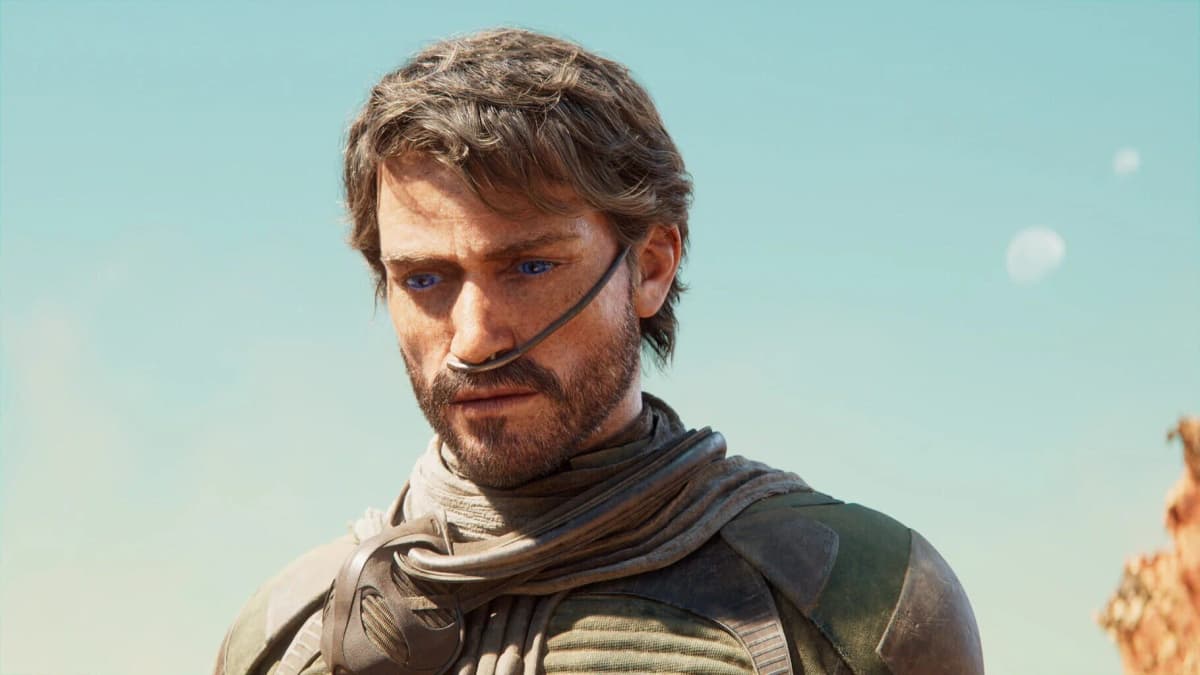
The gamer’s perspective: what to watch now
As someone who sank hours into Conan Exiles and tracks live-service survival titles pretty obsessively, here’s what I’ll be watching before I reinstall:
- Roadmap honesty: Specific milestones with dates beat vague promises. Server optimization, combat tuning, and base defense reworks are table stakes.
- Retention-first design: Less inventory tax, fewer mandatory grinds, more meaningful mid-game goals. Survival is about stories—not chores.
- PvP clarity: Clear rules on raid windows, offline protection, and counterplay. A single bad raid experience drives more churn than any bug.
- Cross-play and parity plans for 2026: If console is coming later, cross-progression and on-par systems matter, or console players feel second-class at launch.
- Monetization transparency: Battle passes and cosmetic shops aren’t a problem if progression isn’t nerfed to sell convenience.
Industry context: the spike-and-slide survival trap
Survival games explode on day one because they’re social sandboxes—streamers generate chaotic stories, clans mobilize, and day-two memes sell day-three copies. But spike buys don’t equal staying power. Valheim held because its systems respected your time; Rust survives on a brutal loop that’s totally honest about what it is. The titles that fade try to pad playtime instead of deepening it.
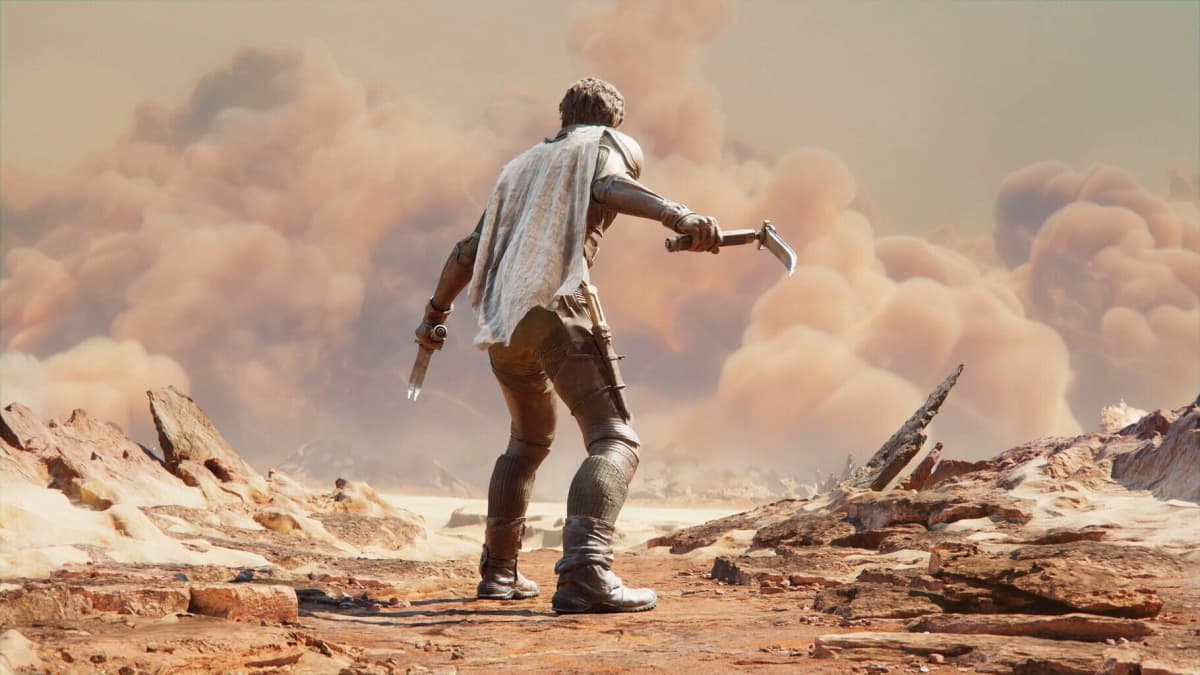
Funcom knows the path out: stabilize, over-communicate, and ship updates that are less “more stuff” and more “better reasons.” The console delay can be a blessing if it gives the team space to shore up the core. The layoffs are the hard part—fewer people means tougher tradeoffs. That’s why the next roadmap beats any marketing beat. If the studio levels with players and commits to a boring-but-essential year of fixes, Dune: Awakening can still write its No Man’s Sky chapter instead of its “remember that launch?” footnote.
TL;DR
Funcom’s record PC launch for Dune: Awakening hit a wall: expansion backlash, falling activity, and layoffs, with consoles now slated for 2026. If the studio focuses on retention-first fixes and a clear, honest roadmap, this pivot can work—but judge the next updates, not the PR.