
Frostpunk didn’t just get a remake announcement – it just got rewritten as a long-term platform, and that quietly changes what this series is going to be for the next decade.
- Frostpunk 1886 is a full reimagining, not a coat of paint – new laws, tech, events, buildings, areas, and even a third Purpose path built in Unreal Engine 5.
- Mod support is the real bombshell: for the first time, players will be able to pull Frostpunk apart and rebuild it, with 1886 pitched as a “living, expandable” base.
- Breach of Trust for Frostpunk 2 is in closed playtest, suggesting 11 bit knows DLC can’t just be more content – it has to stress-test the game’s core systems.
- The risk: splitting the community between a definitive remake and an evolving sequel, while asking players to decide which version of Frostpunk they actually want to live in.
Table of Contents (7)
Frostpunk 1886 isn’t a remaster, it’s a soft reboot
Calling Frostpunk 1886 a “definitive edition” undersells what 11 bit is actually doing. This is a ground-up rebuild of the 2018 original, repositioned as the canonical “Year 0” of the Great Frost.
Rebuilt in Unreal Engine 5, 1886 brings over the basic premise – New London huddled around a generator, lawbooks and moral compromises – but almost everything feeding that loop is being expanded or rearranged: new law trees, new events, reworked technologies, fresh buildings, more places to send your scouts. It’s the same nightmare, but the rules of the nightmare are changing.
We’ve seen this play out before. The Last of Us got a “Part I” rebuild that quietly declared, “This is the version that matters going forward.” Frostpunk 1886 feels like that move, but with more design intent behind it. 11 bit isn’t just preserving the original; it’s using seven years of hindsight to reshape what Frostpunk even is, before it becomes the foundation for everything else.
The uncomfortable implication: the Frostpunk you’ve been replaying for years is now the prototype. 1886 is the one they want you on for the long haul.
A third Purpose path could break the old meta
Mechanically, the most important change we know about is the new third Purpose route. In the original, once things got desperate you were pushed into Faith or Order – religion or authoritarianism – each coming with its own flavor of control and horror. It was clean, brutal design: pick your poison.
1886 adds a third way. 11 bit hasn’t fully spelled out what that ideology looks like, but just introducing another axis has big knock-on effects:
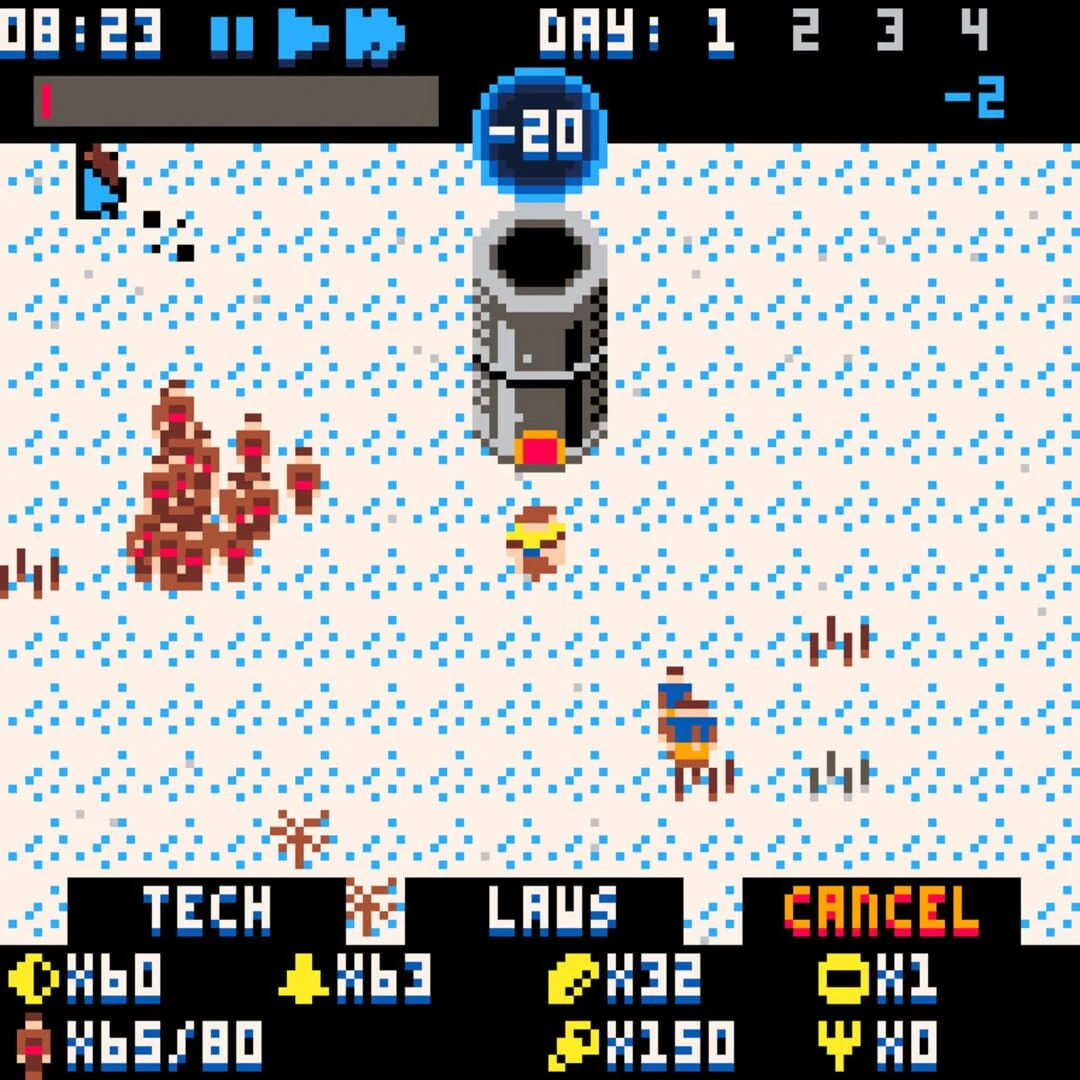
- Run diversity: Faith and Order runs each had established “safe” lines; a third path potentially explodes the old meta and forces veterans to actually think again.
- Narrative tone: the original’s bleak thesis was that survival meant sliding into theocratic or fascist control. A third option either complicates that stance or pushes it into even harsher territory.
- Systemic tension: if this route plays in the grey zone between control and collapse, it could make managing Hope and Discontent less binary and more volatile.
That’s the part I’m most curious about. Frostpunk’s power came from forcing you into ugly, legible decisions. A badly tuned third ideology could end up as the “optimal” path that blunts the game’s teeth. A well-tuned one could make the whole structure feel more human and less mechanical.
Mod support turns Frostpunk into a lab, not a monument
The move from 11 bit’s old Liquid Engine to Unreal Engine 5 isn’t just about prettier snow. It’s about finally letting people tinker with the machine.
The original Frostpunk was notoriously hard to mod in any serious way. That kept the experience pure, but it also capped the game’s lifespan. 1886 explicitly flips that: 11 bit is positioning it as a “living, expandable platform,” with official mod support and a structure designed to handle new content – whether that’s DLC or community creations.
For a niche-but-beloved survival city-builder, that’s huge. Mod scenes are why games like RimWorld, Cities: Skylines, and Project Zomboid never really die. If Frostpunk 1886 ships with robust tools and Workshop-style distribution, you can fully expect:
- Custom scenarios that go far beyond 11 bit’s own challenge maps
- Total conversion attempts – different apocalypses, different moral frameworks
- Balance overhauls that lean harder into cruelty or, conversely, roleplay and storytelling
The flip side is obvious: once the community starts iterating, vanilla Frostpunk 1886 will stop being the “final word” on its own design surprisingly fast. 11 bit is effectively ceding some authorial control in exchange for longevity. For a studio that built its name on tightly authored misery, that’s a bold shift.
Breach of Trust: DLC as a course correction for Frostpunk 2
While 1886 is a long game set for 2027, the immediate experiment is happening inside Frostpunk 2. The first major expansion, Breach of Trust, is in closed playtest and – according to 11 bit’s own roadmap shared during the Frostpunk Franchise Fest – targeting a late June release window.
The reveal trailer zeroes in on New Edinburgh, a struggling settlement begging for its citizens’ faith in leadership. There are hints of volcanic activity and environmental instability layered over the series’ usual icebound misery. The theme is baked into the title: this is about the social contract snapping under pressure.
That’s smart territory for Frostpunk 2 to lean into. The sequel zoomed out to a broader, more industrial-scale management fantasy; an expansion that focuses on one city’s crisis of belief has the potential to recapture the first game’s claustrophobic, “these are your people” intensity.
The closed playtest is equally telling. You don’t quietly invite a curated group of players into DLC unless you’re worried about how new mechanics and numbers collide with the live game. Trust systems, political factions, and long-form survival are fragile things – a slightly too-generous law or resource source can collapse the tension the entire game depends on.
If Breach of Trust lands, it won’t just be “more Frostpunk 2.” It’ll be the proof-of-concept for how this sequel evolves: targeted, thematic scenarios that stress specific parts of the simulation, rather than bloated content packs that just give you more of the same map to grind.
The risk: two Frostpunks, one fanbase, finite attention
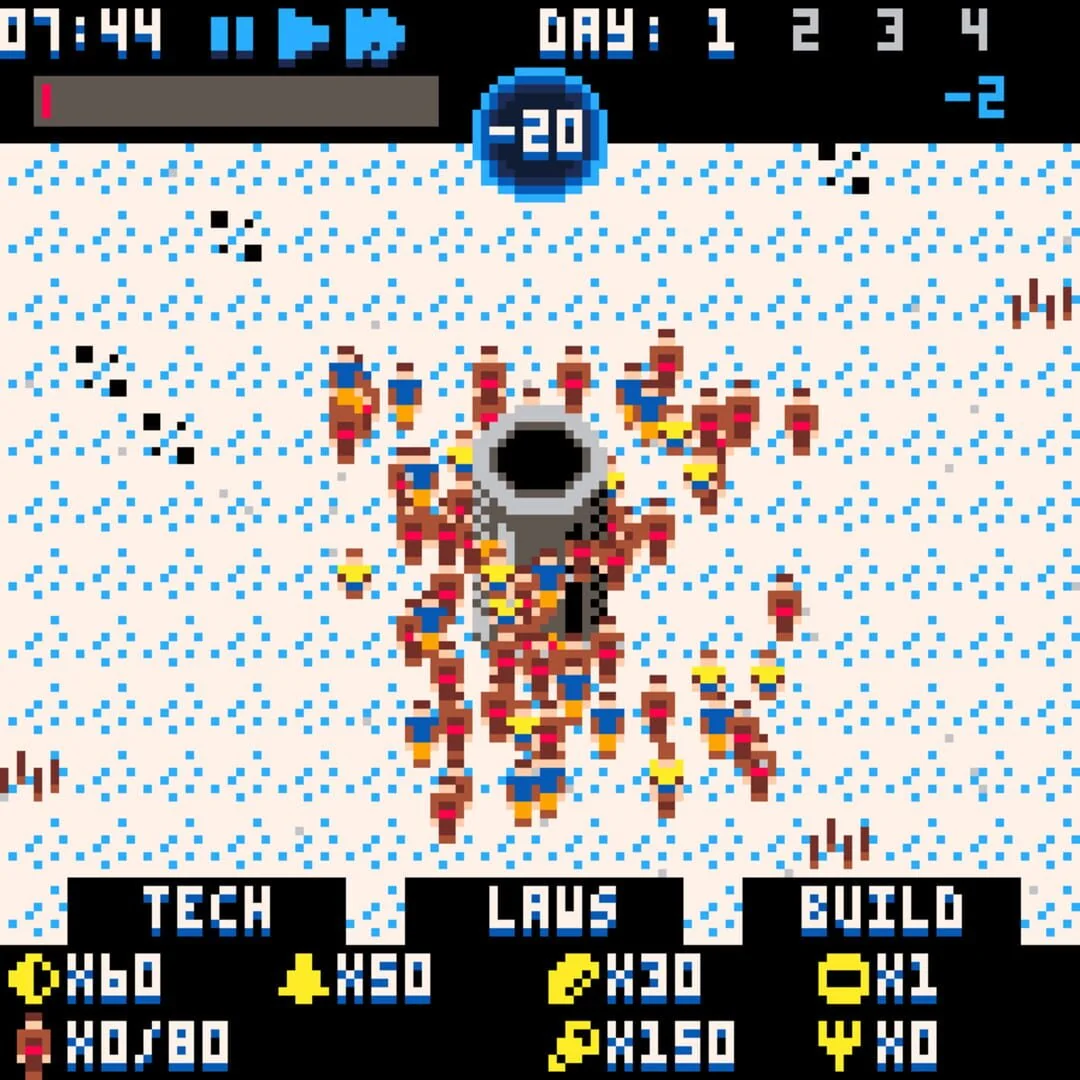
Here’s the tension 11 bit probably doesn’t want in the spotlight: by 2027, the franchise could be split between two very different gravitational centers.
- Frostpunk 1886: the definitive, moddable, intensely authored city-survival experience, polished by years of hindsight and community experimentation.
- Frostpunk 2 + DLC: the big-picture, industrial-scale sequel trying to carve out its own identity with expansions like Breach of Trust.
Most publishers would kill for that problem, but it is a problem. When your remake is this ambitious and your sequel is still finding its final form via DLC, it’s very possible that the “old” game in its new skin ends up overshadowing the newer one.
Layer on top of that a Nintendo Switch port of the original Frostpunk (announced during the same Franchise Fest, with no firm date yet), and you’ve got three overlapping entry points into the series across wildly different hardware and timelines. Great for reach. Potentially confusing for anyone asking, “So which Frostpunk should I actually start with?”
11 bit is betting that the answer will eventually be: start on Switch if that’s all you’ve got, graduate to Frostpunk 1886 as the “true” experience, and then move into Frostpunk 2 once its expansion roadmap fills out. That’s a clean theory. In practice, it depends entirely on how sharp 1886’s redesign really is – and whether Breach of Trust can convince people that Frostpunk 2 is more than a colder, bigger sequel.
What to watch next
- Breach of Trust release window: if 11 bit hits its planned late-June launch after closed testing, that’s a good sign they’re nailing scope and balance.
- How radical the third Purpose path really is: trailers and dev diaries for Frostpunk 1886 should make clear whether this is cosmetic flavor or a true ideological shake-up.
- Mod tooling details: watch for talk of Steam Workshop integration, scripting access, and official support – that will tell you if 1886 is a serious platform or just dabbling in user content.
- Pricing and upgrade paths: the moment 11 bit explains how existing owners are expected to move to 1886 will show how confident they are in calling this the definitive version.
TL;DR
11 bit is rebuilding the original Frostpunk as Frostpunk 1886, a full UE5 reimagining with new systems, a third Purpose path, and long-awaited mod support, aiming to turn it into a living platform. At the same time, Frostpunk 2’s first major expansion, Breach of Trust, is in closed playtest ahead of a planned summer release, doubling down on themes of leadership and social collapse. The open question is whether this dual-track strategy will leave Frostpunk 2 standing as the future of the series, or whether the “definitive” return to New London will quietly become the version everyone treats as the real Frostpunk for years to come.
FinalBoss // Gear
Level up your setup
01Retro consoleson Amazon→028BitDo controllerson Amazon→03Capture cards (Elgato & more)on Amazon→04Discounted game keyson Kinguin→Affiliate links · As an Amazon Associate, FinalBoss earns from qualifying purchases.
Want to Level Up Your Gaming?
Get access to exclusive strategies, hidden tips, and pro-level insights that we don't share publicly.
Ultimate Gaming Strategy Guide + Weekly Pro Tips